Key takeaways
- Cylinder wear (gas-lift): shows up as slow sag over 1-3 years, not sudden drops. More common on chairs under $80.
- Worn pin holes (pin-peg): the hole diameter widens slightly with repeated use, so the pin sits looser each year. More noticeable on tables than chairs.
- Loose bolts (bolt-hole): the wood around the hole can compress slightly over time, so a bolt that was snug a year ago may need a quarter-turn tightening. A five-minute fix, not a design flaw.
What's inside
Match seat height to your child’s height, not their age: a good fit puts their feet flat on the floor with knees bent at roughly 90 degrees, and elbows level with the desktop when seated. Most children’s adjustable sets cover seat heights of 12 to 20 inches (30 to 51 cm) and desktop heights of 18 to 30 inches (46 to 76 cm), which spans toddlers through early teens if the mechanism actually holds its setting.
As an Amazon Associate we earn from qualifying purchases at no extra cost to you.


Height ranges mapped to child height
Seat height should sit at about 27% of a child’s standing height, and desktop height at about 43% of standing height when seated. These ratios come from ergonomic sizing used in school furniture standards and translate roughly like this:
| Child height | Approx. age | Seat height | Desktop height |
|---|---|---|---|
| 90–105 cm (35–41 in) | 2–3 years | 12–13 in (30–33 cm) | 18–20 in (46–51 cm) |
| 105–120 cm (41–47 in) | 4–5 years | 13–14.5 in (33–37 cm) | 20–22 in (51–56 cm) |
| 120–135 cm (47–53 in) | 6–8 years | 14.5–16 in (37–41 cm) | 22–24 in (56–61 cm) |
| 135–150 cm (53–59 in) | 9–11 years | 16–18 in (41–46 cm) | 24–27 in (61–69 cm) |
| 150–165 cm (59–65 in) | 12–14 years | 18–20 in (46–51 cm) | 27–30 in (69–76 cm) |
These are starting points, not hard rules. Kids with long torsos or short legs relative to height will fall between rows, so treat the table as a way to pick a starting notch and adjust up or down by feel once the chair is under them.
Why the fit matters more than the age label
A seat that’s too high leaves feet dangling, which pushes kids to slouch forward or hook their heels on the chair rung, both of which round the spine over homework time. A desktop that’s too low forces shoulders up and forward. Neither shows up as a problem in five minutes of sitting, but it does over an hour of drawing or tablet use, which is the real use case for most of these sets.
Gas-lift vs. pin-peg vs. bolt-hole: which one actually holds still
The adjustment mechanism matters more than the height range on the spec sheet, because a set that slips out of position under a wriggling 6-year-old defeats the point of buying an adjustable one. Here’s how the three common mechanisms compare in practice.
| Mechanism | How it works | Slip risk under movement | Ease of resizing | Typical price range |
|---|---|---|---|---|
| Gas-lift (pneumatic) | Lever releases a gas cylinder, seat glides to new height | Low for chairs; almost none once locked, but constant leaning can cause slow sag over years | Instant, one-handed, no tools | $80–$220 for chair alone |
| Pin-peg (spring pin into drilled holes) | Spring-loaded pin drops into a hole at each height increment | Moderate; pin can walk loose if the hole is worn or the pin spring weakens, especially on the desktop side | Quick but requires aligning holes and hearing/feeling the pin seat properly | $60–$180 for chair, $120–$300 for table |
| Bolt-hole (screw or wing-nut through drilled holes) | Bolts thread through pre-drilled holes at fixed increments | Lowest once tightened; needs periodic re-tightening but won’t shift on its own | Slowest, needs a screwdriver or Allen key each time | $50–$150 for chair, $100–$280 for table |
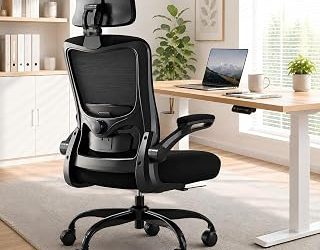
Gas-lift chairs are the most forgiving for a kid who rocks, spins, or bounces in the seat, since the cylinder locks under load and doesn’t rely on a spring pin catching correctly. The trade-off is that cheap cylinders in the sub-$80 range can develop slow sag after a year or two of daily use, so it’s worth checking whether the listing specifies a weight rating for the cylinder itself, not just the chair frame.
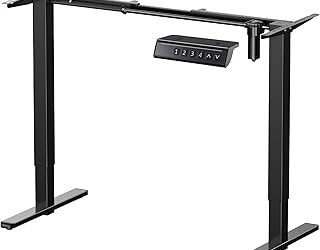
Pin-peg mechanisms are common on desks because they’re simple and cheap to manufacture, but the failure mode is real: if a child leans on the desktop while adjusting it, or the pin doesn’t fully seat, the top can drop an inch or two under elbow pressure. This is more of an annoyance than a safety issue at these heights, but it’s the most common complaint pattern for pin-adjustable desks.
Bolt-hole systems are the most stable long-term, and are the standard on higher-end wood desks meant to last through several growth spurts. The downside is purely practical: resizing means finding a screwdriver, which means most parents adjust these once or twice a year rather than weekly.
What actually causes slipping in daily use
- Cylinder wear (gas-lift): shows up as slow sag over 1-3 years, not sudden drops. More common on chairs under $80.
- Worn pin holes (pin-peg): the hole diameter widens slightly with repeated use, so the pin sits looser each year. More noticeable on tables than chairs.
- Loose bolts (bolt-hole): the wood around the hole can compress slightly over time, so a bolt that was snug a year ago may need a quarter-turn tightening. A five-minute fix, not a design flaw.
Matching the mechanism to your situation
| Situation | Best mechanism | Why |
|---|---|---|
| Toddler or preschooler who fidgets constantly | Gas-lift chair, bolt-hole or fixed-height table | Chair needs to survive rocking and spinning; table height changes rarely at this age so simplicity wins |
| Two kids sharing one set at different ages | Gas-lift chair, pin-peg or bolt-hole table | Frequent chair resizing between siblings favors instant gas-lift; table resizing happens less often |
| Single child, long-term desk for homework years | Bolt-hole for both chair and table | Adjusted a few times a year as the child grows; stability matters more than speed |
| Shared playroom furniture, heavy daily use | Gas-lift chair with rated cylinder, avoid pin-peg tables | High cycle count wears pin holes fastest; gas cylinders handle repeated adjustment better |
Weight limits and other numbers worth checking
Most children’s adjustable chairs are rated for 100 to 150 lbs (45 to 68 kg), which covers the age ranges above with room to spare, but it’s worth confirming rather than assuming, since some budget gas-lift models cap out closer to 90 lbs. Desktops in this category typically run 30 to 42 inches wide and 20 to 24 inches deep, which fits comfortably against a wall in a room as small as 8×10 ft, but leave at least 24 inches of clearance behind the chair for it to be pulled out and sat in without bumping a wall or bed frame.
Box weight for a typical chair-and-desk set runs 25 to 45 lbs combined, and most ship in one or two boxes that clear a standard 32-inch interior doorway without disassembly. Assembly usually takes 20 to 40 minutes with a hex key, most of which is spent attaching table legs and threading the height-adjustment hardware rather than anything structurally complex.
What wears out first
Across all three mechanism types, the earliest failure point is usually the caster wheels or glide feet on the chair base, not the height adjustment itself, since those touch the floo