The best acacia wood serving bowl for everyday entertaining is usually a 12–14 inch, solid-acacia bowl holding about 2–3 quarts, finished with a food-safe oil or wax and shaped with a stable, wide base.
That size is large enough for salad, pasta, fruit, popcorn, or a shared side dish without becoming awkward to lift or wash. Smaller 8–10 inch bowls work better for snacks and condiments, while 16-inch bowls create more table presence but are heavier, harder to store, and more likely to be used only for occasional gatherings.
Our top picks
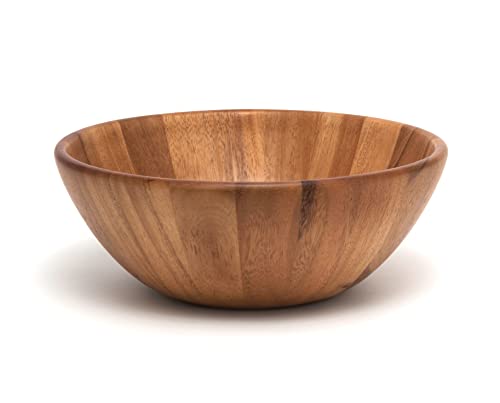 Lipper International Acacia Round Flair Bowl
- Beautiful as a centerpiece bowl or as a…
- Generously sized with a beautiful shape that complements…
- Made of acacia
 AIDEA Acacia Wood Serving Bowl for Fruits
- Considerable Capacity: Eleven-inch wide and 4.5-inch wood bowl
- Acacia Wood Bowl: Made of premium quality solid…
- Healthy Food Choice: Made of natural acacia wood
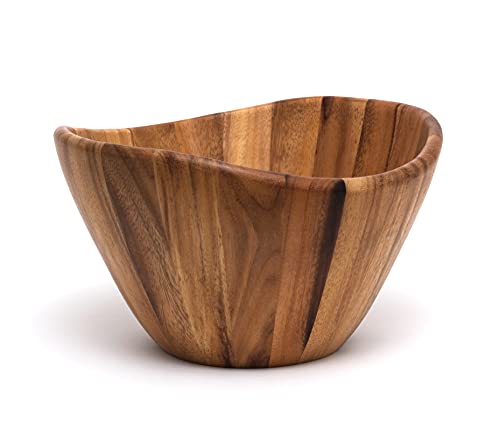 Lipper International Acacia Wave Serving Bowl for
- Generously sized bowl with a contemporary wave design
- Large bowl is beautiful as a centerpiece bowl…
- Made of acacia
| Product | Key specs | |
|---|---|---|
| Lipper International Acacia Round Flair Bowl | Beautiful as a centerpiece bowl or as a… Generously sized with a beautiful shape that complements… Made of acacia | Check price |
| AIDEA Acacia Wood Serving Bowl for Fruits | Considerable Capacity: Eleven-inch wide and 4.5-inch wood bowl Acacia Wood Bowl: Made of premium quality solid… Healthy Food Choice: Made of natural acacia wood | Check price |
| Lipper International Acacia Wave Serving Bowl for | Generously sized bowl with a contemporary wave design Large bowl is beautiful as a centerpiece bowl… Made of acacia | Check price |
 Extra Large Wooden Salad Bowl | HANDMADE 12" LARGE WOODEN BOWL Use as a large salad bowl or salad… Ideal as fruit bowls, a catch all bowl,… | Check price |
As an Amazon Associate we earn from qualifying purchases at no extra cost to you.
Best acacia wood serving bowls by situation
| Best for | Recommended capacity | What to look for | Main compromise |
|---|---|---|---|
| Small apartment or two-person meals | 1–1.5 quarts | 10–12 inch diameter, low weight, stackable profile | Less room for large salads or family-style servings |
| Everyday family serving | 2–3 quarts | 12–14 inch diameter, thick rim, broad flat base | Needs more cabinet or shelf space |
| Large salads and potlucks | 4–5 quarts | 15–16 inch diameter, reinforced wall, manageable side grip | Heavier when full and more difficult to hand-wash |
| Snacks, bread, or countertop display | 1–2 quarts | 8–12 inch diameter, decorative grain, shallow shape | May not be deep enough for tossed food |
| Homes with children or pets | 1.5–2.5 quarts | Rounded rim, low center of gravity, no delicate inlay | Prioritizes stability over dramatic presentation |
Head-to-head: the most useful bowl formats
12-inch round bowl: the best all-purpose choice
A 12-inch bowl with a capacity of roughly 1.5–2.5 quarts is the safest choice when you want one bowl to handle most meals. It can hold a salad for four to six people, a standard batch of pasta, several servings of roasted vegetables, or fruit for a breakfast counter.
Choose a bowl about 3.5–5 inches deep. A very shallow bowl looks elegant but can send dressing and food over the rim during tossing. A very deep bowl makes serving difficult because diners have to reach farther toward the bottom. A broad, flat foot is more useful than a decorative pedestal because it resists sliding when a serving spoon is used.
14–16-inch centerpiece bowl: best for gatherings
A larger bowl makes sense for holiday salads, buffet service, and potlucks. At 3–5 quarts, it provides enough volume for guests to serve themselves without compressing the food. However, check the empty weight before buying. A thick 16-inch solid-wood bowl may weigh several pounds before food is added, and a full bowl can become uncomfortable to carry with one hand.
For this size, side handles or a pronounced lower rim are practical rather than merely decorative. Make sure the bowl fits through the space between your table centerpiece and place settings. On a table less than 36 inches wide, a large bowl can crowd plates and glasses; use it on a sideboard or buffet instead.
8–10-inch snack bowl: best for frequent, light use
A smaller bowl is easier to wash, move, and store. It works well for nuts, crackers, bread rolls, berries, dips in a separate insert, or a small serving of vegetables. Look for a capacity between 0.75 and 1.5 quarts and a base at least 4–5 inches wide.
Small acacia bowls are also less likely to be left wet after use, which matters because repeated moisture exposure is one of the main causes of raised grain, dull finish, and hairline cracking.
Acacia grain and finish: what affects the buying decision
Acacia has naturally varied grain, often combining honey, amber, brown, and darker streaks. No two solid-wood bowls will look identical. If you want a coordinated table, select bowls from the same product line and purchase them together, but expect some variation.
- End-grain or heavily patterned grain: visually distinctive and good for a centerpiece, but contrasting sections can make scratches more noticeable.
- Quiet, straight grain: easier to coordinate with patterned plates and more suitable for everyday meals.
- Matte oil finish: natural-looking and easy to refresh, although it may show water marks sooner.
- Satin film finish: offers more resistance to staining and gives stronger color contrast, but scratches can stand out and refinishing is less simple.
- Unfinished or very dry wood: may feel warm and natural, but it needs conditioning before regular food use and can absorb oils quickly.
Prefer a smooth interior with no rough seams, splinters, open cracks, or deep decorative grooves. Those features collect food residue and make hand-washing slower. A rounded rim is more comfortable for carrying and less likely to chip than a thin, sharp edge.
Material and construction trade-offs
| Construction | Advantages | Everyday drawbacks | Best use |
|---|---|---|---|
| One-piece solid acacia | Distinctive grain, strong visual appeal, can be sanded and re-oiled | More seasonal movement; may warp if soaked or exposed to heat | Frequent serving when hand-washed and dried properly |
| Finger-jointed solid acacia | Can use smaller wood sections efficiently; often more dimensionally stable | Visible joints and glue lines; seams need careful cleaning | Budget-conscious everyday use |
| Acacia veneer over a wood or composite core | Consistent shape, usually lighter and less expensive | Cannot be deeply sanded; edge damage may expose the core | Decorative display and lighter serving duties |
| Acacia with resin or stone inlay | Striking appearance and a more contemporary design | Heavier, harder to repair, and the inlay may scratch differently from wood | Occasional entertaining or centerpiece use |
Food-safe care requirements
Acacia serving bowls are appropriate for dry and moist foods when the manufacturer specifies a food-safe finish. “Food-safe” does not mean dishwasher-safe, oven-safe, microwave-safe, or suitable for long-term liquid storage. Those are separate performance claims.
- Wipe the bowl promptly after serving, especially after contact with dressing, tomato, citrus, vinegar, or oily foods.
- Hand-wash with lukewarm water, a small amount of mild dish soap, and a soft sponge.
- Do not submerge the bowl, leave it soaking, or place it in a dishwasher.
- Dry both the inside and underside immediately, then allow it to finish air-drying upright or on its side.
- Keep it away from ovens, stovetops, radiators, and direct heating vents.
- When the surface looks pale, rough, or dry, apply a food-contact-safe wood conditioner according to its label.
Use a conditioner intended for wooden foodware, commonly a food-grade mineral-oil blend or a wax-based product. Avoid vegetable and olive oils because they can oxidize and become sticky or rancid. Reconditioning every few months may be enough for occasional use; a frequently washed bowl may need it more often.
How well each option handles everyday serving
For salads and pasta, a medium or large bowl with gently sloped sides is easiest to toss and serve from. For fruit, bread, and packaged snacks, a shallower bowl is convenient because the contents remain visible. For hot food, confirm the manufacturer’s guidance and avoid placing a very hot pan or freshly heated dish inside the bowl. Sudden temperature changes can stress the wood and finish.
If the bowl will travel to a dining table, measure the route as well as the storage location. A 16-inch bowl needs roughly 18–20 inches of clear handling space when you account for hands and side movement. In a narrow kitchen aisle, a 12–14 inch bowl is less likely to bump cabinet doors or glasses. For open shelving, allow at least 2 inches of clearance above the bowl so it can be lifted out without scraping the rim.
Weight also matters. A lightweight bowl is easier for children and older adults to carry, but an extremely thin wall may flex, chip, or feel unstable. For regular family service, a moderate wall thickness and a base at least 0.25–0.5 inch thick generally provide a better balance of durability and maneuverability than either a paper-thin decorative bowl or an oversized solid block.
Which best acacia wood serving bowl should you choose?
- Choose a 12-inch, 1.5–2.5 quart bowl if you want one dependable bowl for salads, pasta, fruit, and side dishes.
- Choose a 14–16-inch, 3–5 quart bowl if you regularly host six or more people and have buffet or cabinet space.
- Choose an 8–10-inch bowl if easy washing, low weight, and snack service matter more than capacity.
- Choose quiet grain and a matte finish for daily meals and a mixed dinnerware collection.
- Choose dramatic grain or inlay when the bowl’s primary role is decorative presentation.
- Choose a broad base and rounded rim for children, pets, crowded tables, or anyone who wants safer one-handed carrying.
The strongest everyday choice combines a 12–14 inch diameter, 2–3 quart capacity, smooth food-safe finish, stable base, and simple solid-acacia construction. It will show natural variation and may need occasional oiling, but with prompt hand-washing and careful drying, it offers a practical balance of warmth, durability, and table-ready style.