Key takeaways
- Width: Common widths run from compact 18 to 24 inch models up to 60 and 72 inch double-sink units. Measure the wall between the door swing, tub and toilet, and leave room to move.
- Depth and height: HGTV notes that standard vanity depth is roughly 17 to 25 inches and height 30 to 36 inches. Comfort-height models sit at the taller end. Narrow-depth cabinets help in tight powder rooms.
- Plumbing: Locate your drain and supply lines. Most vanities have an open back or a cutout, but drawer-heavy designs can conflict with a P-trap. Read the maker’s drawer clearance notes.
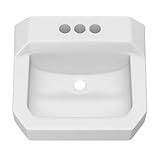
- Faucet holes: Tops are drilled for single-hole, 4 inch centerset or 8 inch widespread faucets. Match the faucet to the pre-drilled holes.
- Walls and floors: Anchor the cabinet to studs. Out-of-level floors may require shims; a floating vanity needs solid blocking behind the wall.
The best priced bathroom vanity is the one that matches your sink count, wall width and plumbing at the lowest tier that still gives you a solid-wood or plywood frame and a sealed top. Shoppers with a guest bath or rental usually do well with a pre-assembled 24 to 30 inch budget cabinet, while a primary bath with daily use is worth stepping up to a mid-range model with a real stone or quartz top. This guide explains how to judge value by tier, which brands show up repeatedly in independent roundups, and where cheaper vanities cut corners.
At a Glance: Value Tiers and Typical Brands
| Tier | Brands often cited | Best for | Typical construction (as makers and outlets describe it) | Limits |
|---|---|---|---|---|
| Budget | Glacier Bay, Project Source, Style Selections, Foremost | Guest baths, rentals, flips, powder rooms | Engineered wood or MDF carcass, cultured marble or vitreous china top, often pre-assembled | Edges and sides can swell if water sits; hardware is basic; fewer size choices |
| Mid-range | allen + roth, Home Decorators Collection, OVE Decors | Family bathrooms, first-time renovators | Plywood or solid-wood frames in some lines, soft-close doors, engineered stone or marble-look tops | Faucet and mirror usually sold separately; delivery times vary |
| Premium | Kohler and other full-bath brands | Primary baths, matched suites with tub, toilet and faucet | Solid-wood or furniture-grade construction, factory-finished tops | Highest budget; wider cabinets may need professional installation |
Independent outlets describe Glacier Bay as the home-improvement chain’s own entry line, and a rental-property roundup names the Glacier Bay Bannister 30 inch as its overall pick, pointing to its pre-assembled build and three full-extension drawers. Bob Vila’s retailer guide includes the Project Source Dover as a budget pick and the allen + roth Canterbury as a step up. Treat any roundup as one opinion and confirm the maker’s current spec sheet before buying, because lines are revised often.
What “Best Priced” Really Means for a Vanity
A low sticker price is only good value if the cabinet survives a humid room. Three things decide that: the carcass material, the finish, and the top. A vanity sits next to a shower and a sink, so splash and steam reach it daily. Look for the maker to state what the box is made of. Solid wood and plywood tolerate moisture better than particleboard, but even they need intact edge sealing around the plumbing cutout. If a listing does not say what the cabinet is made of, assume the cheapest material and price accordingly.
Next, consider what is included. Some budget vanities arrive as a complete combo with a top and basin attached. Others sell the cabinet alone, which looks cheaper until you add a top, faucet, drain and mirror. Compare the full set you will actually install, not just the cabinet.
Sizing and Fit Notes
- Width: Common widths run from compact 18 to 24 inch models up to 60 and 72 inch double-sink units. Measure the wall between the door swing, tub and toilet, and leave room to move.
- Depth and height: HGTV notes that standard vanity depth is roughly 17 to 25 inches and height 30 to 36 inches. Comfort-height models sit at the taller end. Narrow-depth cabinets help in tight powder rooms.
- Plumbing: Locate your drain and supply lines. Most vanities have an open back or a cutout, but drawer-heavy designs can conflict with a P-trap. Read the maker’s drawer clearance notes.
- Faucet holes: Tops are drilled for single-hole, 4 inch centerset or 8 inch widespread faucets. Match the faucet to the pre-drilled holes.
- Walls and floors: Anchor the cabinet to studs. Out-of-level floors may require shims; a floating vanity needs solid blocking behind the wall.
Top Materials: Where Budget Goes Furthest
Cultured marble and vitreous china
These are the usual tops on budget vanities because the sink and counter are one seamless piece, which means no caulk joint between basin and surface. Care is simple: mild non-abrasive cleaner and a soft cloth. Avoid harsh solvents, which the finish may not tolerate; follow the maker’s care sheet.
Engineered stone and quartz
Mid-range lines often use engineered marble or quartz tops, which makers describe as resistant to staining and easier to keep up than natural marble. They add weight, so a second person helps with installation.
Natural stone
Natural marble and granite appear mostly in higher tiers. They can need periodic sealing. If you want the look at lower cost, many shoppers choose marble-look engineered tops.
Cabinet Features Worth Paying For
- Soft-close hinges and full-extension drawers: They make daily use smoother and are the upgrade most buyers say they notice.
- Plywood or solid-wood frame: Worth the step up from budget tier if you are in a steamy bathroom with no window or fan.
- Pre-assembled construction: Saves time and reduces fit problems. Flat-pack cabinets cost less to ship but depend on your assembly.
- Finish: A thick factory finish protects better than thin paint. Dark and matte finishes show water spots; follow the care guidance.
- Warranty: Read the stated term and its exclusions for moisture damage.
Pick X If… Decision Table
| Pick this if you… | Choose | Why |
|---|---|---|
| Need the lowest outlay for a rental or flip | Budget line such as Glacier Bay or Project Source | Pre-assembled, one-piece tops, easy replacement |
| Want drawers instead of doors | A 30 inch model with full-extension drawers, such as the Bannister cited by a rental-property roundup | Easier access to storage; check trap clearance |
| Are renovating a family bath | Mid-range allen + roth or Home Decorators Collection | Better doors, hinges and tops |
| Share the bathroom with a partner | A 60 inch double-sink unit | Two basins, more counter; needs wall width and two drain runs |
| Want a matched suite | Kohler or a similar full-bath brand | Coordinated tub, toilet, faucet and vanity |
| Have a very small room | 18 to 24 inch compact vanity or wall-mounted pedestal | Frees floor space and door swing |
Common Corners Cut at Low Prices
Reviewers of low-cost vanities commonly mention thin back panels, stapled drawer boxes, unfinished interior surfaces and basic hinges. None of these make a cabinet unusable, but they affect how long it lasts in a humid room. Run a bathroom fan during and after showers, wipe standing water from the top, and seal around the faucet and sink edge with bathroom-grade silicone to extend the life of any cabinet.
Safety and Installation Notes
Turn off the water before disconnecting any supply lines. If you are unsure about moving plumbing, or if the job involves electrical changes such as adding a lit mirror or outlet, hire a licensed plumber or electrician and follow local code. Bathroom outlets generally need GFCI protection. Follow the maker’s manual for anchoring, weight limits and clearances.
Alternatives to a Standard Vanity
- Pedestal or console sink: Best for tiny powder rooms, but with no storage.
- Floating (wall-mounted) vanity: Opens up floor space and is easier to clean beneath; needs solid wall blocking.
- Repurposed dresser or furniture piece: A popular custom option, but it needs a sealed finish, a drop-in or vessel sink and careful plumbing cutouts.
Common Buying Mistakes to Avoid
- Ignoring the full set cost: A cabinet-only listing can look inexpensive until a top, faucet, drain assembly and mirror are added. Price the whole setup.
- Skipping the rough-in check: The distance from the wall to the drain and the height of the supply lines decide whether a drawer-style cabinet fits without notching.
- Buying too deep for the room: A cabinet that is a few inches too deep can block a door or leave too little walking space beside the toilet.
- Forgetting delivery access: Wide cabinets and stone tops are heavy. Measure stairwells and doorways before ordering.
- Overlooking return terms: Large furniture is often costly to return, so read the policy for damaged or incorrect items.
Frequently Asked Questions
Is a cheap bathroom vanity worth buying?
Yes, for guest baths, rentals and low-use rooms, provided the top is sealed and you keep the room ventilated. For a busy family bath, stepping up to a plywood or solid-wood cabinet is usually worth it because moisture is the main enemy of low-cost boxes.
What size bathroom vanity should I buy?
Measure the available wall width and leave clearance for the door and adjacent fixtures. Many standard cabinets fall between 24 and 36 inches wide for a single sink, with 60 inches and up for doubles. Depth typically runs 17 to 25 inches according to HGTV.
Does a vanity come with the faucet?
Usually not. Most listings sell the cabinet and top only, and some sell the cabinet without a top. Confirm what is in the box and match the faucet to the number and spacing of pre-drilled holes.
Is cultured marble a good vanity top?
Makers promote it as a seamless, easy-to-wipe surface with an integrated basin. It should be cleaned with mild non-abrasive products, as harsh chemicals and scrubbing pads can dull the finish.
Can I install a vanity myself?
Many people do, using basic tools, provided the existing plumbing lines up. Hire a plumber if pipes need to move, and an electrician for any wiring changes.
How long should a bathroom vanity last?
It depends on materials and ventilation. Well-ventilated rooms with sealed, quality cabinets can last many years, while particleboard boxes in steamy rooms may swell sooner. Check the maker’s warranty terms for specifics.