Key takeaways
- Hide grade over hide count: Top-grain cowhide is the practical sweet spot for seating, keeping the natural grain while resisting the stretch that plagues thinner splits. Be aware that many listings apply real leather to the contact surfaces and a matched bonded material to the outer back and sides. That’s a normal cost decision, not deception, but it should influence what you pay.
- Frame and base material: Polished aluminum bases and arm structures cost more than nylon for a reason. They hold tolerance better under load, resist the slow splay that makes an old chair feel loose, and give the chair a cleaner visual line where it meets the floor.
- Lumbar shape, not lumbar padding: A pronounced foam pillow is easy to photograph and easy to outgrow. What matters is whether the backrest has a built-in curve at the small of your back and enough height to support your shoulder blades without pushing your neck forward.
- Recline behavior: Decide whether you want a locking multi-position tilt for reading and calls, or a free-floating tilt for active desk work. Deep 135-degree recline is genuinely restful, but only if the mechanism locks confidently rather than drifting under your weight.
- Footprint and proportion: Measure the diagonal of your desk zone before falling for a high-back model. In rooms under about 120 square feet, a mid-back chair reads as furniture; a tall executive back reads as equipment. Also check seat height range against your desk, since leather compresses roughly half an inch over the first months.
What's inside
Leather has quietly become the most misunderstood material in the home office. Search “genuine leather office chair” and you get a wall of glossy product shots that all look the same at thumbnail size, described with the same three words: executive, ergonomic, luxury. What the listings rarely tell you is which part of the chair is actually leather, whether the frame under that leather is aluminum or painted steel, and whether the lumbar curve was shaped for a human spine or for a photograph. The result is a category where a $250 chair and a $700 chair can be visually indistinguishable until the second year of ownership, when one has developed a warm patina and the other has cracked along the seat edge.
This guide is written from a furnishing perspective rather than a spec-sheet one. I’ve focused on the details that determine how a leather chair ages and how it reads in a room you actually live in: hide grade, frame material, the geometry of the backrest, and the visual weight of the silhouette. Below are the genuine leather desk chairs worth considering in 2026, from a compact mid-back conference model to a full recliner-style executive seat with a retractable footrest, plus what to check before you commit.
As an Amazon Associate we earn from qualifying purchases.


How to Choose a Genuine Leather Office Chair (2026)
- Hide grade over hide count: Top-grain cowhide is the practical sweet spot for seating, keeping the natural grain while resisting the stretch that plagues thinner splits. Be aware that many listings apply real leather to the contact surfaces and a matched bonded material to the outer back and sides. That’s a normal cost decision, not deception, but it should influence what you pay.
- Frame and base material: Polished aluminum bases and arm structures cost more than nylon for a reason. They hold tolerance better under load, resist the slow splay that makes an old chair feel loose, and give the chair a cleaner visual line where it meets the floor.
- Lumbar shape, not lumbar padding: A pronounced foam pillow is easy to photograph and easy to outgrow. What matters is whether the backrest has a built-in curve at the small of your back and enough height to support your shoulder blades without pushing your neck forward.
- Recline behavior: Decide whether you want a locking multi-position tilt for reading and calls, or a free-floating tilt for active desk work. Deep 135-degree recline is genuinely restful, but only if the mechanism locks confidently rather than drifting under your weight.
- Footprint and proportion: Measure the diagonal of your desk zone before falling for a high-back model. In rooms under about 120 square feet, a mid-back chair reads as furniture; a tall executive back reads as equipment. Also check seat height range against your desk, since leather compresses roughly half an inch over the first months.
The Best Genuine Leather Office Chairs of 2026, Reviewed
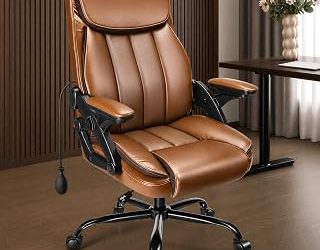
Mid-Back Genuine Leather Conference Chair with Aluminum Arms
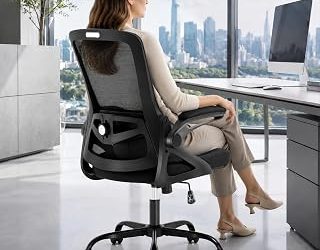
This is the most architecturally restrained option here, pairing a thickened, contoured backrest with polished aluminum arms and legs that keep the profile light. The brown leather and mid-back height make it the easiest pick for a shared living space or a dining-adjacent desk where a towering executive chair would dominate.
Top-Grain Cowhide Executive Chair with Adjustable Headrest
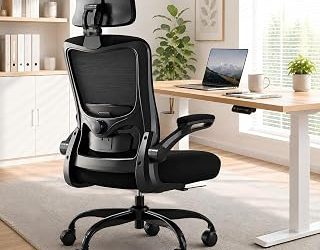
The standout feature is adjustability where it usually isn’t offered: both seat and headrest heights move independently, with a three-position lockable recline. That combination lets taller users dial in genuine neck support instead of settling for a headrest that lands between the shoulders.
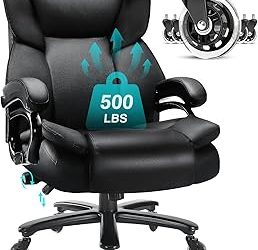
Genuine Leather High-Back Chair with Flexible Footrest
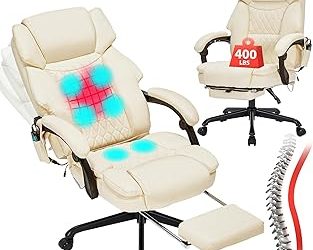
A 400-pound weight capacity and a retractable footrest make this the most accommodating chair on the list, and the adjustable tilt mechanism gives it real range between upright work and a full lean-back. Expect a substantial visual footprint, so give it a dedicated corner rather than a tight nook.
TOMU Executive Chair with Footrest, Beige
The beige top-grain leather is the design story here, reading far lighter and more contemporary than the brown-and-black default that dominates this category. The aluminum base and padded armrests back up the look, though pale leather will show hand oils faster and rewards a monthly wipe-down.
Mid-Century Modern Executive Chair with 135° Recline
The tapered stitching and aluminum base give this one a genuinely mid-century posture, and the 135-degree recline pushes it into lounge territory when you need a break from the keyboard. Quiet casters and adjustable armrests make it the most apartment-friendly of the deep-recline options.
Frequently Asked Questions
Is genuine leather actually better than quality faux?
For longevity, yes. Real leather breathes, stretches to your body, and develops patina, while polyurethane surfaces eventually delaminate and flake regardless of care. Good faux leather still makes sense in homes with cats or heavy sun exposure.
How do I keep the leather from cracking?
Keep the chair out of direct afternoon sun, dust it with a dry cloth weekly, and condition it two or three times a year with a leather cream. Skip household cleaners and anything alcohol-based, which strips the finish.
Do leather chairs get uncomfortably hot?
Less than vinyl, but more than mesh. Perforated or lightly textured hides breathe better than high-gloss finishes, and a mid-back model exposes more of your upper back to air than a full executive back.
What seat height range should I look for?
Most standard desks sit at 29 to 30 inches, which pairs with a seat height around 18 to 20 inches. Confirm the chair’s stated range covers your target with an inch of margin, since leather cushions settle slightly with use.
Final Thoughts
If you want a leather chair that behaves like designed furniture rather than office equipment, the Mid-Back Conference Chair with aluminum arms is the most versatile choice for real homes. For fit precision, the Top-Grain Cowhide Executive Chair with its independently adjustable headrest earns its price, and the TOMU model in beige is the one to choose if you’d rather your desk chair brighten the room than anchor it.