Key takeaways
- Lift height: Measure from your chair seat to the table underside, then subtract room for legs. Most toddlers need roughly 3 to 4 inches of lift to bring elbows level with the tabletop, which is why 3.8-inch cushions have become the default. Adjustable models buy you a second year of use.
- Anchoring: A non-slip base handles small shifts, but ties or straps that wrap the chair back and seat are what stop a determined climber from sliding the cushion off. Look for both, not one or the other.
- Harness type: Simple side straps suit confident sitters over three. Younger toddlers benefit from a 3-point harness, which keeps hips seated rather than allowing the slow slide into a standing position mid-meal.
- Surface material: PU leather wipes clean in one pass and resists yogurt, sauce, and juice. Fabric covers look softer but need removing and washing, so check whether the cover actually unzips before you commit.
- Chair compatibility: Ladder-back, slatted, and upholstered dining chairs all behave differently. Cushions with flexible ties adapt to open backs; rigid boosters need a flat, generous seat pan to sit level.
What's inside
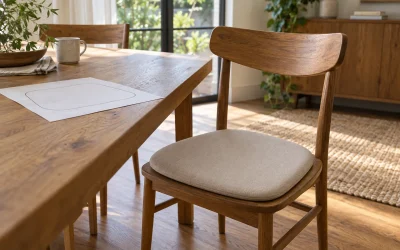
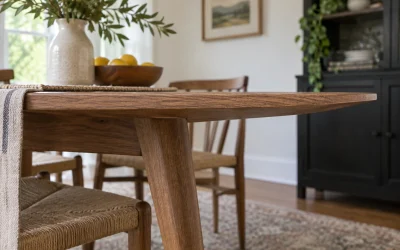
The dining table is usually the most considered surface in a home. It gets the good chairs, the linen runner, the pendant light chosen over three weekends. Then a two-year-old joins the table and the whole composition falls apart: a cushion of folded towels, a highchair the size of a small appliance parked at the corner, or a child kneeling on a dining chair to reach their plate. The gap between where a toddler’s chin lands and where the table edge sits is only a few inches, but it decides whether family meals feel calm or chaotic.
A booster seat solves the height problem without adding furniture you have to design around. The trade-off is that most of them look and behave like plastic gear. This guide focuses on the models worth putting on a chair you actually like: how to read the specs that matter, which materials survive a spaghetti year, and five picks that cover everything from ergonomic support to travel-ready simplicity.
As an Amazon Associate we earn from qualifying purchases.



🛒 Best Price Today on Amazon
Prime members get fast, free shipping on everything above, plus member-only deals. New members get a 30-day free trial — cancel anytime.
How to Choose a Booster Seat for the Dining Table (2026)
- Lift height: Measure from your chair seat to the table underside, then subtract room for legs. Most toddlers need roughly 3 to 4 inches of lift to bring elbows level with the tabletop, which is why 3.8-inch cushions have become the default. Adjustable models buy you a second year of use.
- Anchoring: A non-slip base handles small shifts, but ties or straps that wrap the chair back and seat are what stop a determined climber from sliding the cushion off. Look for both, not one or the other.
- Harness type: Simple side straps suit confident sitters over three. Younger toddlers benefit from a 3-point harness, which keeps hips seated rather than allowing the slow slide into a standing position mid-meal.
- Surface material: PU leather wipes clean in one pass and resists yogurt, sauce, and juice. Fabric covers look softer but need removing and washing, so check whether the cover actually unzips before you commit.
- Chair compatibility: Ladder-back, slatted, and upholstered dining chairs all behave differently. Cushions with flexible ties adapt to open backs; rigid boosters need a flat, generous seat pan to sit level.
The Best Booster Seats for the Dining Table, Reviewed
Upseat Boost Ergonomic Toddler Booster Seat
Developed with input from physical therapists, this is the only pick here designed around posture rather than height alone, with a contoured base that encourages an upright pelvis instead of a slumped tailbone. Adjustable height and a wipe-clean shell make it the strongest long-term choice if you want one booster to carry a child from two to five.
Toddler Booster Seat with Backrest and 3-Point Harness
The backrest is the differentiator: it gives smaller toddlers something to settle against on chairs with open or slatted backs, and the 3-point harness keeps them there. PU throughout means cleanup is a single wipe, and it folds down enough to travel to grandparents’ houses without a second bag.
3.8″ Booster Seat with Ties and Side Pockets
A restrained, cushion-style booster in grey that reads as a seat pad rather than baby equipment, which matters if your dining chairs are on display. The 3.8-inch lift hits the standard table height sweet spot, the ties secure it properly, and the removable cover plus side pockets add real day-to-day convenience.
Toddler Booster Seat with Double Safety Straps (Grey)
This one keeps things minimal: washable PU, a genuinely grippy non-slip bottom, and dual straps that anchor to both the chair seat and back. It is the pick for parents who want secure and clean without a harness to wrestle at every meal.
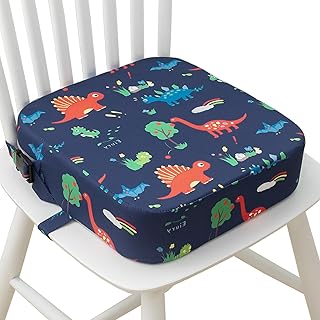
Eiury Portable Booster Seat (Blue Dinosaur)
Safety buckles, a non-slip base, and a print that gives a reluctant sitter a reason to want the seat. Light enough to live in the car for restaurants and holidays, making it a sensible second booster even if you already have one at home.
Frequently Asked Questions
At what age can a toddler use a dining table booster seat?
Most children move to a booster between 18 months and three years, once they can sit upright unsupported and get on and off a chair with supervision. Weight and stability matter more than the birthday.
Will a booster seat damage my dining chairs?
A non-slip base is generally gentler than a child kneeling directly on the seat. On leather or delicate finishes, check that straps sit flat and avoid dragging the cushion into position.
How much height should the booster add?
Aim for elbows roughly level with the tabletop. With standard 30-inch tables and 18-inch chairs, that usually means 3 to 4 inches of lift.
Is a booster seat safe for restaurants and travel?
Yes, provided it straps to the chair rather than resting loose. Portable PU models pack flat and wipe down after use, which is why many families keep a dedicated travel unit.
Final Thoughts
For posture and longevity, the Upseat Boost is the considered choice and the one worth the premium. If you want something that disappears into a well-styled dining room, the 3.8-inch booster with ties and side pockets is the quietest option on the list, while the Eiury portable booster is the one to keep in the car for everywhere else.