Key takeaways
- Seat height range: Measure from floor to desktop, then subtract 10 to 12 inches for working clearance. A 42-inch counter-height desk wants a seat that reaches roughly 30 inches, so a wide span like 22″–30″ gives you room in both directions. Narrow ranges are the most common source of buyer’s remorse.
- Foot ring behavior: A fixed ring is fine if you’re within an inch or two of average height. An adjustable ring — or one with a few inches of lift travel — lets you set a real 90-degree knee angle instead of settling for whatever the factory chose.
- Mesh versus upholstery: Breathable mesh backs win in warm rooms and long sessions. Faux leather reads better in a styled office or dining-adjacent workspace and wipes clean, but plan for more heat retention.
- Flip-up arms: Arms that fold vertically let the chair slide fully under a raised desk and clear your keyboard tray. If your desk has a modesty panel or crossbar, this feature moves from nice-to-have to essential.
- Base diameter and casters: Tall chairs need a wide five-star base to stay planted. Look at the stated weight capacity, and swap in rubber-wheel casters if you’re on hardwood or a low-pile rug.
What's inside
A standing desk solves one problem and quietly creates another. Once your work surface sits at 42 or 46 inches, every chair in the house becomes useless — a standard task chair tops out around 21 inches, leaving you reaching up like a kid at the dinner table. Most people improvise with a bar stool, which looks fine in a photo and feels punishing by the second hour. No lumbar shaping, no seat tilt, no place to put your feet, and a footprint that fights with the desk instead of tucking under it.
A drafting chair is the purpose-built answer: an extended gas cylinder, a proper ergonomic shell, and a foot ring that carries the weight your legs would otherwise dangle under. This guide covers what actually matters when you’re shopping — seat height math, foot ring adjustability, upholstery trade-offs, and arm geometry — followed by five picks worth a closer look for sit-stand setups in 2026.
As an Amazon Associate we earn from qualifying purchases.


How to Choose a Drafting Chair For Standing Desk (2026)
- Seat height range: Measure from floor to desktop, then subtract 10 to 12 inches for working clearance. A 42-inch counter-height desk wants a seat that reaches roughly 30 inches, so a wide span like 22″–30″ gives you room in both directions. Narrow ranges are the most common source of buyer’s remorse.
- Foot ring behavior: A fixed ring is fine if you’re within an inch or two of average height. An adjustable ring — or one with a few inches of lift travel — lets you set a real 90-degree knee angle instead of settling for whatever the factory chose.
- Mesh versus upholstery: Breathable mesh backs win in warm rooms and long sessions. Faux leather reads better in a styled office or dining-adjacent workspace and wipes clean, but plan for more heat retention.
- Flip-up arms: Arms that fold vertically let the chair slide fully under a raised desk and clear your keyboard tray. If your desk has a modesty panel or crossbar, this feature moves from nice-to-have to essential.
- Base diameter and casters: Tall chairs need a wide five-star base to stay planted. Look at the stated weight capacity, and swap in rubber-wheel casters if you’re on hardwood or a low-pile rug.
The Best Drafting Chairs For Standing Desks (2026) Reviewed
22″–30″ Mesh Drafting Chair with 7″ Lift Footrest Ring
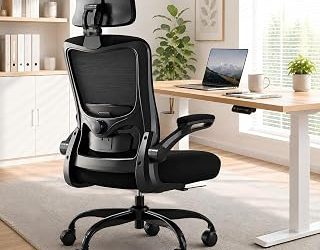
The most flexible option here on paper, and the one I’d point most people toward first: an eight-inch seat range plus seven inches of independent foot ring travel means you can dial in both contact points rather than compromising on one. The mesh back and flip-up arms make it a sensible pick for artists, drafters, and anyone alternating between standing and perching all day.
Black Mesh Drafting Chair with Flip-Up Armrests
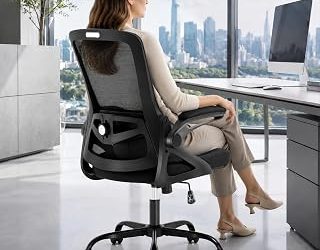
A cleaner, more restrained take on the same formula — breathable back, defined lumbar curve, adjustable ring, no visual noise. Good choice if your workspace leans minimal and you’d rather the chair disappear than announce itself.
Misolant Drafting Chair with Flip-Up Armrest
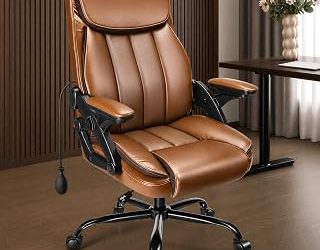
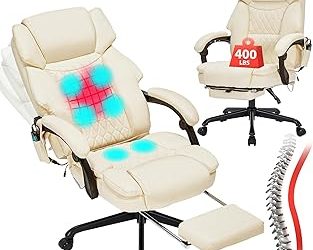
Leather-look upholstery on a tall swivel frame, aimed squarely at kitchen-island desks and counter-height setups where a mesh office chair would feel out of place. The flip-up arm keeps it tuckable, which matters more than usual in shared or open-plan rooms.
Ergonomic Faux Leather Drafting Chair with Multi-Function Arms
The multi-function arms are the differentiator — height and pivot adjustment on top of the usual flip-up action, which helps if you switch between mouse work and sketching. Mid-back shell keeps sightlines open in smaller rooms.
Misolant Leather Executive Drafting Chair
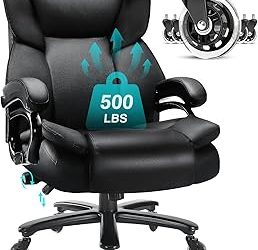
The dressier sibling in the Misolant line, with a taller executive back for people who want upper-shoulder support rather than a low perch. Best suited to a dedicated home office where the chair is part of the room’s design, not hidden under a desk.
Frequently Asked Questions
What seat height do I actually need?
Take your desk height and subtract 10 to 12 inches. Most standing desks land between 40 and 48 inches, which puts the useful seat range at roughly 28 to 33 inches — and explains why 22″–30″ models cover the majority of setups.
Is a drafting chair just a bar stool?
No. Bar stools are built for short sits and lack lumbar shaping, seat tilt, and pneumatic adjustment. A drafting chair is a task chair on an extended cylinder, engineered for full workdays.
Do I need the foot ring?
Yes, if you’re seated for more than short stretches. Unsupported legs pull on the hamstrings and restrict circulation at the thigh. The ring restores a neutral knee angle and takes pressure off the seat edge.
Can I use one at a regular desk too?
Most drop low enough to work at a standard 29- to 30-inch desk, though the foot ring can get in the way. If you split time between both heights, prioritize models with the widest adjustment span.
Final Thoughts
For most sit-stand setups, the 22″–30″ mesh drafting chair with the 7″ lift footrest ring is the safest bet — the adjustment range simply forgives more variables than anything else on this list. If your workspace is more living room than office, the Misolant leather drafting chair delivers the same function in a warmer finish, while the faux leather model with multi-function arms is the one to choose if arm positioning is where your current chair fails you.