Key takeaways
- Seat Adjustability: Look for independent seat-angle or height adjustment. A fixed angle forces your body to conform to the chair instead of the other way around—exactly the problem you’re trying to solve.
- Back Support: Models with a dedicated backrest or lumbar pad let you transition between active kneeling and a supported lean, which matters enormously after hour three. A rocking-only base limits you to one posture.
- Cushion Density: Moulded foam holds its shape far longer than cheap poly-fill. Thin, soft cushions bottom out within weeks, leaving you kneeling on a hard wooden base.
- Weight Capacity & Frame Material: Solid hardwood frames generally support heavier loads and flex less than bent-tube steel. Verify the rated capacity is at least 20 percent above your body weight for a safety margin.
- Rolling vs. Rocking Base: Casters with a locking brake are ideal for shared workstations or anyone who shifts between a desk and a filing cabinet. A rocking base encourages subtle movement but demands more floor space and limits you to one spot.
What's inside
If you’ve spent any significant hours at a traditional desk, you already know the toll: the lower back stiffness that creeps in after lunch, the neck tension that seems to migrate behind your eyes, the quiet resignation of slumping forward for the third consecutive hour. Kneeling desk chairs promise to reverse that pattern by tilting your pelvis forward, engaging your core, and redistributing weight away from compressed lumbar discs. But the market is crowded, and not every model delivers on that promise—some are little more than padded stools bolted to a frame.
This guide cuts through the noise. We evaluated six popular kneeling chairs on build quality, adjustability, cushion density, and long-term comfort to surface the five that actually hold up under daily use. After that, you’ll find a straightforward buyer’s guide and answers to the questions most people ask before clicking “Add to Cart.”
As an Amazon Associate we earn from qualifying purchases.


How to Choose a Kneeling Desk Chair in 2026
- Seat Adjustability: Look for independent seat-angle or height adjustment. A fixed angle forces your body to conform to the chair instead of the other way around—exactly the problem you’re trying to solve.
- Back Support: Models with a dedicated backrest or lumbar pad let you transition between active kneeling and a supported lean, which matters enormously after hour three. A rocking-only base limits you to one posture.
- Cushion Density: Moulded foam holds its shape far longer than cheap poly-fill. Thin, soft cushions bottom out within weeks, leaving you kneeling on a hard wooden base.
- Weight Capacity & Frame Material: Solid hardwood frames generally support heavier loads and flex less than bent-tube steel. Verify the rated capacity is at least 20 percent above your body weight for a safety margin.
- Rolling vs. Rocking Base: Casters with a locking brake are ideal for shared workstations or anyone who shifts between a desk and a filing cabinet. A rocking base encourages subtle movement but demands more floor space and limits you to one spot.
The Best Kneeling Desk Chairs (2026) Reviewed
Adjustable Height Kneeling Chair with Backrest & Footrest
This all-rounder combines a pneumatic height cylinder, a supportive backrest, and an integrated footrest—a combination rarely found at this price tier. It works equally well in a home office or a shared meeting room, and the lumbar support is genuinely adjustable rather than decorative. Best for buyers who want a feature-complete chair without jumping to premium pricing.
Ergonomic Kneeling Chair with 250-lb Capacity
A purpose-built posture corrector with a five-year warranty that signals real confidence in its construction. The angled seat does the heavy lifting of pelvic alignment, and the 250-pound capacity covers most users comfortably. If durability documentation and after-sale support matter to you, this model earns its place.
Adjustable Linen Kneeling Chair with Backrest
The linen upholstery breathes noticeably better than bonded leather alternatives during long summer work sessions. Brake-equipped rolling wheels keep the chair anchored when you need it stationary, and the thick cushion distributes shin pressure evenly. A strong pick for warmer climates or anyone who runs hot at their desk.
GIANTEX Ergonomic Rocking Knee Chair
Built around a solid wood rocking base, the GianTex chair supports up to 330 pounds—the highest capacity in this roundup. The natural wood frame flexes just enough to encourage micro-movements without feeling unstable. It is an excellent option for larger users or anyone who prefers the subtle engagement of a rocker over a static or wheeled base.
Adjustable Stool with Moulded Foam Cushions
Where this chair distinguishes itself is in cushion quality. The thick moulded foam resists compression over months of daily use, and the angled seat maintains proper tilt without constant readjustment. Brake casters round out a practical, no-frills design that focuses on comfort fundamentals.
Frequently Asked Questions
Are kneeling chairs good for your back?
Yes, when used correctly. A kneeling chair tilts the pelvis forward, which helps maintain the natural lumbar curve and reduces disc compression compared to a flat-seated office chair. They work best as part of a varied posture routine rather than a single all-day solution.
How long should you sit in a kneeling chair?
Most ergonomic specialists recommend starting with 30- to 45-minute intervals, then standing or stretching before returning. Over time you can extend those windows, but alternating positions throughout the day still benefits circulation and joint health.
Do kneeling chairs work with standing desks?
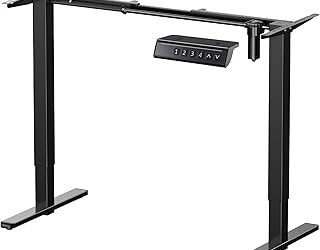
They can, but only if the desk height is adjustable. Kneeling chairs typically place your hips lower than a standard office chair, so a fixed-height desk will leave you reaching upward—a new problem masquerading as a solution. Pair one with a sit-stand converter or a fully adjustable desk.
Will a kneeling chair fit under a standard desk?
Most models, including every chair in this roundup, have a compact footprint that slides easily under a standard 29- to 30-inch desk. Measure the clearance between your seat and the underside of the desk surface before purchasing, especially if the chair includes a backrest that adds overall height.
Final Thoughts
If you want the most versatile option, the Adjustable Height Kneeling Chair with Backrest & Footrest covers the widest range of use cases. Users prioritizing long-term cushion integrity should look at the Moulded Foam Cushions model, while those needing higher weight capacity will find the GIANTEX Rocking Knee Chair hard to beat. Whichever you choose, pairing a kneeling chair with regular standing breaks is the real posture upgrade.