Key takeaways
- Weight and weave: Look for anything described as upholstery-weight or measured in ounces, ideally 9 oz or heavier. Tightly woven fabric resists the abrasion of sliding in and out of the table; loose or slubby weaves snag on belt buckles and chair backs.
- Cleanability: Dining seats need to handle a wipe-down without water rings. Polyester blends and PU leather clean up easily, while untreated natural linen and cotton absorb everything. If you love a natural look, choose a faux linen that mimics the texture in synthetic fiber.
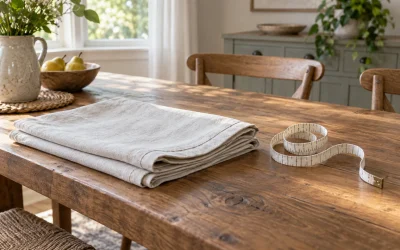
- Yardage math: Measure the seat pad at its widest point, add four to five inches on each side to wrap and staple underneath, then add a few extra inches for error. Most standard side chairs take roughly half a yard each from a 57-inch-wide bolt, so a two-yard cut typically covers four seats.
- Stretch and drape: Chairs with rounded or domed seats need a fabric with a small amount of give so corners fold smoothly. Rigid jacquards and thick vinyls need more careful pleating at the corners; flat, boxy seats are far more forgiving.
- Pattern scale and repeat: Large-scale patterns require centering on each seat, which means buying extra yardage. Solids and tone-on-tone textures eliminate that waste and read as more current in 2026 interiors anyway.
What's inside
Dining chairs take a beating that no other seat in the house has to endure. Between spilled wine, sticky fingerprints, and the daily scrape of being pushed back from the table, the seat pad is usually the first thing to give out while the frame stays perfectly sound. That mismatch is what sends most people down the reupholstery rabbit hole, and it is also where the confusion starts: the fabric aisle is full of gorgeous material that has no business being stapled to a dining chair. Decorator-weight cotton that looks stunning on a headboard will pill within a season on a seat that gets sat on three times a day.
This guide narrows the field to fabrics that actually survive dinner. Below you will find six options worth considering for a 2026 refresh, from budget-friendly faux linens sized for a pair of chairs to a wipeable PU leather and a jacquard damask for anyone leaning traditional. After the picks, there is a short buying framework covering weave density, yardage math, cleanability, and the details that separate a refresh that lasts a decade from one you redo next spring.
As an Amazon Associate we earn from qualifying purchases.


🛒 Best Price Today on Amazon
Prime members get fast, free shipping on everything above, plus member-only deals. New members get a 30-day free trial — cancel anytime.
How to Choose a Fabric For Reupholstering Dining Room Chairs (2026)
- Weight and weave: Look for anything described as upholstery-weight or measured in ounces, ideally 9 oz or heavier. Tightly woven fabric resists the abrasion of sliding in and out of the table; loose or slubby weaves snag on belt buckles and chair backs.
- Cleanability: Dining seats need to handle a wipe-down without water rings. Polyester blends and PU leather clean up easily, while untreated natural linen and cotton absorb everything. If you love a natural look, choose a faux linen that mimics the texture in synthetic fiber.
- Yardage math: Measure the seat pad at its widest point, add four to five inches on each side to wrap and staple underneath, then add a few extra inches for error. Most standard side chairs take roughly half a yard each from a 57-inch-wide bolt, so a two-yard cut typically covers four seats.
- Stretch and drape: Chairs with rounded or domed seats need a fabric with a small amount of give so corners fold smoothly. Rigid jacquards and thick vinyls need more careful pleating at the corners; flat, boxy seats are far more forgiving.
- Pattern scale and repeat: Large-scale patterns require centering on each seat, which means buying extra yardage. Solids and tone-on-tone textures eliminate that waste and read as more current in 2026 interiors anyway.
The Best Fabric For Reupholstering Dining Room Chairs (2026)s Reviewed
TinaKim Thick Upholstery Fabric, Faux Linen (Grey Blue)
The two-yard cut at 57 inches wide is the sweet spot for a set of four standard dining seats, and the fabric has enough body to stay taut once stapled without feeling stiff. The grey-blue reads as a soft slate in daylight, which pairs cleanly with warm wood frames and white oak tables.
Faux Linen Needlework Fabric, 3.3 Yards
Generous yardage makes this the practical pick for a six-chair set or for anyone who wants insurance against a miscut. The linen-look texture hides crumbs and light wear better than a smooth weave, though I would treat it with a fabric protector before the first dinner party.
LaSilk Premium Upholstery Fabric (Navy Blue)
Sold by the single yard, this is the smart choice for testing a color before committing to a full set or for reupholstering just one or two accent chairs. The thickened faux linen has noticeably more heft than budget alternatives, and the navy is deep and even rather than washed out.
Yutong 9 oz Polyester Upholstery Fabric (Ivory)
At a stated 9 oz, this is genuine upholstery weight, and the 100% polyester construction means spills bead rather than soak. Ivory on a dining chair is a confident choice, so save it for a household without toddlers or plan on a stain-repellent treatment.
Wento Thick Faux Leather Fabric (Beige)
For families, wipeable PU leather is the most sensible material on this list; a damp cloth handles anything the meal throws at it. The soft grain avoids that plasticky sheen cheaper vinyls have, but take your time at the corners since it does not ease into pleats the way woven fabric does.
Frequently Asked Questions
How much fabric do I need per dining chair?
Most standard side chair seats take about half a yard from 57-inch-wide fabric. Measure the pad, add five inches on all sides for wrapping, and round up. A two-yard cut usually covers four seats comfortably.
Do I need to remove the old fabric first?
Not always. If the existing layer is clean, dry, and smooth, you can staple the new fabric over it. Remove it if there is any odor, moisture damage, or a bulky staple buildup that would prevent a flat surface.
Is faux leather or woven fabric better for dining chairs?
Faux leather wins on cleanability and is the better call with kids or frequent hosting. Woven upholstery fabric is more breathable, easier to fit around curves, and generally more comfortable for long dinners.
Will these fabrics work on chairs with attached, non-removable seats?
Yes, though the job is harder. You will need to work in place with a staple gun and possibly decorative trim or nailhead tape to finish the edges cleanly, since you cannot wrap the fabric underneath.
Final Thoughts
For most dining rooms, the TinaKim faux linen hits the best balance of yardage, weight, and color for a standard four-chair set, while the Faux Linen Needlework 3.3-yard cut is the better value if you are covering six seats. If your table sees daily family meals, skip the wovens entirely and go with the Wento faux leather, which will still look presentable years after a linen seat would have needed replacing.