Key takeaways
- Weave density over fiber hype: A tightly woven polyester will outlast a loose linen every time. Hold the fabric to a window — if light passes through the weave easily, it will pass dirt through too, straight to the foam beneath.
- Weight and hand: Aim for medium-to-heavy upholstery weight. Thin apparel fabric telegraphs every crumb of foam texture and pills where thighs pivot. Heavier cloth also staples cleanly around corners without shredding.
- Finish matters more than color: Water-resistant and stain-release finishes are the single best value add for a dining seat. They buy you the minutes it takes to blot rather than scrub.
- Stretch versus structure: Slipcovers need four-way stretch and elastic hems to grip a curved seat. Recovering a flat pad wants the opposite — stable, low-stretch cloth that won’t sag between staples.
- Measure the seat, then add four inches per side: Yardage math is where projects go wrong. Two yards typically covers four standard seat pads; six chairs or anything with a waterfall front needs three or more.
What's inside
Dining chairs take more abuse than almost anything else in the house. They absorb spilled cabernet, toddler yogurt, dog hair, denim dye, and the slow polish of elbows and forearms over years of Sunday dinners. Most people don’t think about seat fabric until a favorite chair looks tired next to five others that don’t — and by then the original upholstery is discontinued, the local reupholsterer quotes more than the set cost, and the whole thing stalls out. The material you choose is the difference between a set that ages into character and one that just wears out.
This guide is written from the perspective of someone who specs textiles for real rooms, not showrooms. Below you’ll find two paths: yardage for anyone recovering seat pads properly, and stretch slipcovers for anyone who wants an immediate, launderable refresh without a staple gun. I cover what to look for in weave, weight, and finish, review the standouts for 2026, and answer the questions that come up most often once the fabric is actually in hand.
As an Amazon Associate we earn from qualifying purchases.



🛒 Best Price Today on Amazon
Prime members get fast, free shipping on everything above, plus member-only deals. New members get a 30-day free trial — cancel anytime.
How to Choose a/an Fabric For Dining Room Chairs (2026)
- Weave density over fiber hype: A tightly woven polyester will outlast a loose linen every time. Hold the fabric to a window — if light passes through the weave easily, it will pass dirt through too, straight to the foam beneath.
- Weight and hand: Aim for medium-to-heavy upholstery weight. Thin apparel fabric telegraphs every crumb of foam texture and pills where thighs pivot. Heavier cloth also staples cleanly around corners without shredding.
- Finish matters more than color: Water-resistant and stain-release finishes are the single best value add for a dining seat. They buy you the minutes it takes to blot rather than scrub.
- Stretch versus structure: Slipcovers need four-way stretch and elastic hems to grip a curved seat. Recovering a flat pad wants the opposite — stable, low-stretch cloth that won’t sag between staples.
- Measure the seat, then add four inches per side: Yardage math is where projects go wrong. Two yards typically covers four standard seat pads; six chairs or anything with a waterfall front needs three or more.
The Best Fabric For Dining Room Chairs (2026)s Reviewed
Washable Stretch Seat Slipcovers, Set of 6
The most practical answer for a full six-chair set you actually eat at daily. The stretch knit hugs seat pads without gaping at the corners, and because it goes into the machine on a cold wash, pet hair and stain protection stops being theoretical — you just reset the chairs on laundry day.
TinaKim Thick Chair Upholstery Fabric, Faux Linen
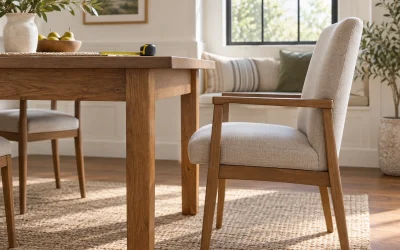
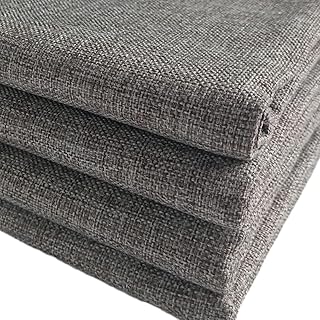
This is the pick if you’re doing the job properly with a staple gun. The faux linen has genuine upholstery weight and a slubby, matte surface that reads as natural fiber under warm light, while the synthetic base resists the fading and stretching real linen suffers in a sunny breakfast nook. Two yards handles four standard pads comfortably.
Faux Linen Needlework Fabric, 3.3 Yards
The same textural appeal with enough yardage to cover a six-chair set or a chair-and-runner pairing from one cut, which keeps dye lots consistent. The grey-blue is a genuinely useful neutral — cool enough to sit beside oak and walnut without competing.
K-Musculo 600D Water-Resistant Upholstery Fabric
The performance choice, and the one I’d specify for households with young kids or an indoor-outdoor dining setup. The 600D polyester weave shrugs off liquid long enough to blot, cleans with soap and water, and holds its shape through years of chairs being dragged out and pushed back in.
Stretch Parsons Chair Covers, Set of 4
Purpose-built for tall parsons-style chairs where a seat-only cover leaves the back exposed. Installation takes a minute per chair, and the full-coverage fit is the fastest way to unify a mismatched set inherited from two different houses.
Frequently Asked Questions
How much fabric do I need per dining chair?
Budget roughly half a yard per standard seat pad, or three-quarters of a yard if the seat is oversized or has a rounded front edge. For a set of six, three to three and a half yards is a safe order.
Are slipcovers or reupholstering better?
Slipcovers win on speed, cost, and washability. Reupholstering wins on fit and longevity, and it’s the only option if the existing foam or webbing needs attention anyway.
Is real linen a bad choice for dining chairs?
Not bad, just demanding. Pure linen wrinkles, stains readily, and stretches under weight. Faux linen blends give you the texture with far better recovery.
How do I clean upholstered dining seats?
Blot immediately, never rub. Vacuum weekly with an upholstery attachment, and spot clean with a mild detergent solution, testing on an underside seam first.
Final Thoughts
For a full set you want to stop worrying about, the six-pack of washable stretch seat slipcovers is the most forgiving purchase here. If you’re recovering pads yourself, TinaKim’s thick faux linen delivers the best-looking result for the effort, while the K-Musculo 600D water-resistant fabric is the smarter long game in any house where dinner gets messy.