Key takeaways
- Floor-level play mat zone with no coffee table: clear the area until a child is steady on their feet.
- Large storage ottoman or pouf: softer than a table, and can be moved.
- Playpen or gate around the seating area: a gate keeps a child away from the table entirely.
For a home with a crawler or new walker, a round or oval coffee table with fully rounded edges, or a soft upholstered ottoman-style table, is the safest starting point; a heavy, low, stable base matters as much as the corners, and edge guards can make a table you already own safer. No furniture is baby-proof on its own, and nothing replaces supervision, so treat the choices below as ways to reduce bumps and tip-overs rather than remove risk.
Our top picks



As an Amazon Associate we earn from qualifying purchases at no extra cost to you.
At a Glance: Baby-Friendly Coffee Table Types
| Type / example | Best for | Key stated features | Limits |
|---|---|---|---|
| Upholstered ottoman table (Ebern Designs style) | Crawlers and early walkers | Padded surface, no hard corners, often doubles as seating | Spills soak in; tray needed for drinks |
| Round wood table (Article Adel 42-inch round, World Market Trig round) | Families wanting a furniture look | Reviewers describe soft edges and no corners at all | Hard surface; edges still firm |
| Rounded-corner storage table (Article Torme 48-inch) | Families needing storage and a wide surface | Apartment Therapy describes kid-safe rounded corners | Rounded is not soft; corners are still wood |
| Kidney-shaped nesting set (Article Neah 49-inch) | Small rooms, flexible layouts | Curved shape and rounded legs, as described by reviewers | Smaller pieces can be moved or climbed on |
| Plastic round table with rounded edges | Wipe-clean needs | Retail listings describe waterproof, rounded high-density plastic with a stable base | Lighter styling; check the maker’s weight limit |
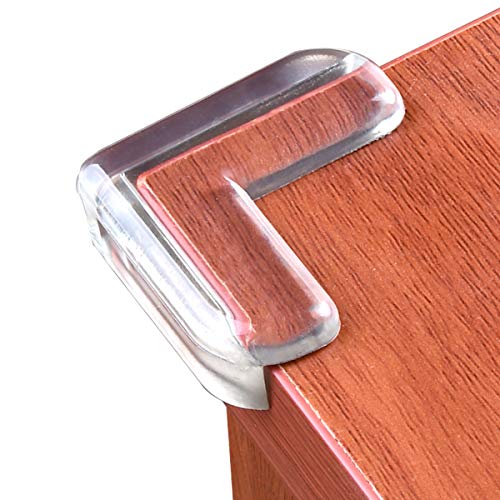
| Edge and corner guard kit on any table | Existing furniture, tight budgets | Foam or rubber strips; some kits cover round tables up to a stated diameter | Adhesive can fail; babies may pick at it |
Model lines and sizes change, so read the current specification for the exact version. Reviewers on affiliate sites often repeat each other, and Apartment Therapy’s editor-led pieces are among the more careful sources, so treat any single ranking as one opinion.
What Makes a Coffee Table Safer for Babies
Edges and Corners
Round and oval shapes remove the sharp corner entirely. If you prefer a rectangle, look for a generous radius on every corner and a softly eased top edge. Soft materials such as foam padding or upholstery absorb more than wood does, but are less durable against spills.
Stability and Weight
A table that a child can pull up on needs a wide, weighted base. Pedestal bases can be stable if broad; thin splayed legs can tip under a pulling child. Avoid tables with loose glass or lightweight tops that slide off.
Material
Reviewers advise wood or plastic over glass or metal in rooms with infants. Tempered glass is stronger than ordinary glass, but a hard surface and edge remain, and breakage risks exist. Look at finish information: ask the maker whether the finish is low-VOC or tested against children’s product standards where claimed. Only products sold as children’s furniture carry children’s product certification; adult coffee tables usually do not.
Height and Pinch Points
Low tables put the top at head height for a toddler. Nesting tables and lift-top designs add pinch points; hinged lids should be avoided or fitted with soft-close hardware as the maker states.
Round, Oval or Ottoman: Which Shape Fits Which Home
| Shape | Strengths | Trade-offs |
|---|---|---|
| Round | No corners, easy to walk around | Wastes corner space; less storage |
| Oval or kidney | Soft lines in narrow rooms | Large footprint when long |
| Rectangular with big radius | Fits sofa lines, more surface | Corners still firm |
| Ottoman | Padding, seating, hidden storage | Stains and spill care |
Baby-Proofing a Table You Already Own
If replacing the table is not practical, reviewers’ picks include dense foam edge protectors such as the Roving Cove slim-fit style and bulk kits that include edge strips plus corner guards. One widely sold kit lists around sixteen and a half feet of edge guard and eight corner protectors and is described as fitting round tables up to about fifty-six inches across.
- Clean and dry the table edge so the adhesive can grip.
- Press the guard on firmly and follow the maker’s cure time.
- Recheck regularly; babies may pull on loose pieces, and small foam bits are a choking concern.
- Remove guards that peel or tear.
- Consider moving the table out of the play area entirely while a child is learning to walk.
Budget Tiers
Budget: plastic round tables, engineered-wood rounds and edge-guard kits. Mid-range: solid-wood or veneer rounds, ottoman tables with removable covers. Premium: solid wood with generous radii, upholstered designs with performance fabrics, or custom-sized ottomans. A guard kit on a table you already own is often the lowest-cost way to improve safety.
Pick X If… Decision Table
| Pick this | If you… |
|---|---|
| Upholstered ottoman | have a crawler and want padding, and will use a tray for drinks |
| Round wood table | want a furniture look with no corners |
| Rounded storage table | need storage for toys and a wide surface |
| Nesting set | live in a compact room and want movable pieces |
| Plastic round table | need easy wiping and a lower outlay |
| Guard kit on existing table | like your table and have a short window of need |
Alternatives
- Floor-level play mat zone with no coffee table: clear the area until a child is steady on their feet.
- Large storage ottoman or pouf: softer than a table, and can be moved.
- Playpen or gate around the seating area: a gate keeps a child away from the table entirely.
Safety Notes
- Anchor heavier tables or any tall pieces if the manual provides anchoring instructions.
- Keep hot drinks and small objects off the table, since a child pulling up can bring them down.
- Follow assembly steps exactly; loose fasteners create hazards.
- For questions about developmental safety or injuries, speak to a paediatrician or doctor.
Choosing for Different Stages
Needs shift as a child grows. Before pulling up, a crawler mainly meets the table at head height when crawling past; once pulling up, the child grabs the edge for support, so stability and edge profile matter most. Later, climbing becomes the risk.
- Crawling stage: padded ottoman or fully rounded table, with nothing on the surface to grab.
- Pulling-up stage: heavy, wide base, no loose top, no wheels.
- Walking and climbing stage: low profile, no hinged lids, and nothing near the table that lets a child climb to higher furniture.
Cleaning and Finishes
Babies chew edges, so pay attention to the finish. Ask the maker what finish is used and follow cleaning instructions. Wipe plastic and sealed wood with a damp cloth. Upholstered tables need fabric that suits mild cleaning, and removable covers are helpful where the maker offers them.
Pairing a Table with a Layout
Placing the table against a wall or leaving generous walkways around it reduces collisions. A rug under the area softens falls, though the rug itself should not be a trip hazard; use a non-slip underlay if the maker or rug supplier advises one. Corner guards on nearby furniture, such as TV stands and console tables, help the whole room.
Why Reviewer Sources Differ
Some of the roundups on this topic are retailer pages and affiliate lists rather than independent safety assessments, and the more careful ones, such as editor-led furniture reviews, judge shape and finish rather than certified child safety. Treat every claim of baby-proofing as the seller’s description, look at the actual edge radius in photos and dimensions, and rely on supervision first.
Common Mistakes to Avoid
- Assuming a rounded corner makes a hard wooden table safe. It lowers one risk, but not every injury.
- Choosing glass because it looks light, then finding it unsuitable for a toddler.
- Leaving hot drinks or small objects on the table.
- Relying on adhesive guards that peel and become a choking hazard.
- Picking a lightweight table that tips when a child pulls up.
- Forgetting that nearby furniture, like TV stands, has the same corners.
The best approach is layered: a suitable table shape, stable placement, good supervision, and a plan to change the setup as the child grows.
Frequently Asked Questions
Is a round coffee table really safer for babies?
It removes sharp corners, which reduces one common injury point. A round wooden edge is still hard, so padding or an ottoman is softer. Supervision remains the main protection.
Are glass coffee tables a bad idea with a toddler?
Reviewers advise avoiding glass and metal tops while children are small. Tempered glass is designed to break into small pieces, but the surface and edges are still hard. Wood, plastic or upholstered tables are more commonly suggested.
Do corner guards stay on?
Many stay on with clean, dry surfaces and firm pressure, but adhesive can fail with humidity or pulling. Check them often and replace any that loosen.
Can an ottoman work as a coffee table?
Yes. Ottoman-style tables are suggested for families because they are soft and can hide storage. Add a tray for drinks and choose a cover that is easy to clean as the maker directs.
What size table suits a small living room?
Round and kidney-shaped tables in the 40 to 50 inch range, or nesting sets, are described by reviewers as practical. Leave a comfortable walkway around the table.
How long do I need baby-safe tables?
Every child is different, but the highest risk usually comes when they are learning to pull up and walk. Many families keep guards on until a child is steady and past the climbing stage.