Key takeaways
- Check the weight capacity listed by the maker and do not exceed it.
- Place stools on level floors and use felt or rubber pads to prevent sliding and scratches.
- Tighten screws and bolts periodically, as wobbling is a sign of loose fittings.
- Do not stand on bar stools or use them as a step ladder.
- With young children, supervise use, since tall backless stools can tip if a child climbs or leans too far.
- Swivel mechanisms should be kept clean and checked for wear.
For most kitchens, a padded backless stool with a footrest at the correct seat height is the best everyday choice, a solid-wood or metal stool suits easy-clean needs and tight budgets, and a swivel or adjustable-height stool suits mixed counter heights. The most important decision is seat height: match it to the counter before looking at style.
Our top picks

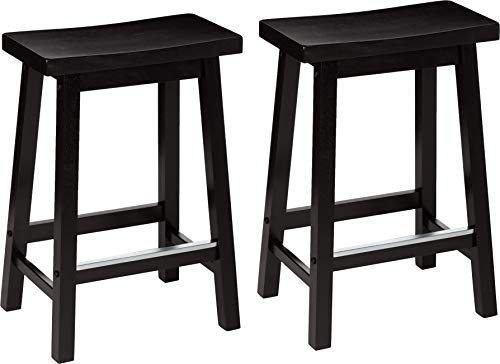


As an Amazon Associate we earn from qualifying purchases at no extra cost to you.
At a glance: backless bar stool options
| Option | Best for | Key points from makers | Limits |
|---|---|---|---|
| Winsome Wood backless stools | Classic wood look, kitchens and bars | The maker lists solid or composite wood frames with padded or wooden seats in counter and bar heights | Check seat height and finish options |
| Flash Furniture backless stools | Budget metal frames, commercial-style | The maker lists metal frames with wood, padded or metal seats in several heights | Hard seats can tire on long sits |
| Safavieh backless stools | Decor-forward styling | The maker lists upholstered or wood seats with designer frames | Check weight rating |
| IKEA Frosta-style stackable stools | Small spaces, occasional seating | The maker lists simple stackable designs | Lower height, no footrest on some models |
| Adjustable swivel backless stools | Households with different counter heights | The maker lists a height-adjustable gas-lift or screw mechanism on selected models | Moving parts to maintain |
Ranges change, so confirm the seat height, weight capacity and footrest details on the maker’s current page.
Get the height right first
Stool height is the most common mistake. A standard kitchen counter is typically around 36 inches high and usually calls for a seat about 24 to 26 inches from floor. A taller bar-height counter around 42 inches usually calls for a seat of roughly 28 to 30 inches. Measure from the floor to the underside of the counter, not the top. Aim for about 9 to 13 inches of clearance between the seat and counter underside so your legs fit comfortably. These are common guidelines, and individual comfort varies with height. Adjustable stools help when you have two counter heights or users of different sizes.
Why choose backless
Backless stools slide fully under the counter, which saves visual and floor space and works well in small kitchens or open-plan rooms. They are easier to move, and simpler designs keep sightlines open. The trade-off is back support: without a backrest, long sitting is less comfortable, so they suit short meals, homework or coffee rather than hours at the counter. If you have back pain or mobility issues, ask a doctor or physiotherapist about seating, and consider a model with a back instead.
Seat shape and padding
Round seats are the most flexible, fitting in tight spaces and sliding in without catching on corners. Square or saddle seats offer more surface and sometimes better thigh support. Padding adds comfort for longer sits, while a solid wood seat is easy to wipe but harder to sit on. Look for foam described as dense or resilient and a covering that matches your cleaning habits: faux leather wipes clean, while fabric adds warmth but marks more easily. Seat diameters of 14 to 16 inches are common for compact stools; check the maker’s stated dimension.
Frame materials and finishes
Wood
Wood suits warm, farmhouse and traditional kitchens. Solid hardwoods like beech or rubberwood are typically sturdier than veneered or composite wood. Check joinery and whether the finish resists scuffs.
Metal
Steel frames are slim, strong and suited to industrial and modern kitchens. Powder coating helps resist chips and rust, but check for protective feet to avoid scratching floors.
Mixed materials
Wood seats on metal frames balance warmth and durability and are very common in the mid-range tier.
Footrests, swivel and stability
A footrest ring or bar improves comfort and reduces strain from dangling legs, particularly on bar-height stools. Swivel seats add convenience but can reduce stability; choose models with a wide base and non-marking feet. Check weight capacity and compare it to the heaviest regular user. Stackable stools save storage space, but stacking can scratch finishes, so follow the maker’s guidance.
Safety and use
- Check the weight capacity listed by the maker and do not exceed it.
- Place stools on level floors and use felt or rubber pads to prevent sliding and scratches.
- Tighten screws and bolts periodically, as wobbling is a sign of loose fittings.
- Do not stand on bar stools or use them as a step ladder.
- With young children, supervise use, since tall backless stools can tip if a child climbs or leans too far.
- Swivel mechanisms should be kept clean and checked for wear.
Budget tiers explained
Budget backless stools are typically steel or light wood with thin padding and simple finishes. They suit casual use but may feel less stable. Mid-range stools add better joinery, denser padding, more finishes and a more stable base, offering the best balance for daily use. Premium stools use solid hardwood, hand-finished details, high-quality upholstery and adjustable mechanisms built for years of use.
How many stools and how much space
A common design guideline is to allow around 24 to 30 inches of counter width per stool, with about 6 inches between seats. Leave at least 36 inches behind stools for walking when possible. For a small island, two or three round backless stools fit better than larger saddle styles. Choose a consistent set; mixing heights or styles looks intentional only when done carefully.
Pick X if…
| If you… | Pick |
|---|---|
| Have standard kitchen counters | A counter-height padded backless stool, such as Winsome Wood styles |
| Need an easy-clean, budget option | A metal frame stool such as Flash Furniture models |
| Want a decorative stool | A designer wood or upholstered stool such as Safavieh styles |
| Have limited space | A round or stackable stool that slides fully under the counter |
| Have two counter heights | An adjustable-height swivel stool |
| Sit for long periods | A model with a back, or a thick padded seat with a footrest |
Alternatives to consider
- Stools with low backs: a short backrest gives some support while keeping a low profile.
- Benches: a counter-height bench fits more people and tucks under the counter.
- Ottomans or poufs at counter height: a soft, informal option for casual seating, though they offer little support.
Care
Wipe wood and metal with a soft damp cloth and dry them. Follow the maker’s cleaning code for upholstery, and avoid harsh chemicals that can strip finishes. Check fittings regularly and replace worn floor pads.
Buying checklist before you order
Measure counter height from the floor to the underside of the surface, then check the stool’s listed seat height rather than overall height. Count how many stools fit using the spacing guideline above and allow for legs, columns or cabinet corners. Note the seat diameter and whether the stool is meant to slide under the counter fully. Check the footrest position, since a ring set too high or too low is uncomfortable. Confirm the weight capacity and the floor protection on the feet. If you have tile, hardwood or vinyl, choose feet that will not scratch or mark it, and consider felt or rubber pads for extra protection.
It also helps to think about who will sit. Children and shorter adults may find bar-height stools hard to climb onto, so a counter-height or adjustable model can be better. Older users may prefer a stool with a back, arms or a lower seat for stability. Stools that are stackable or foldable are handy in small homes but are sometimes less sturdy than fixed-frame designs. Independent reviewers frequently highlight wobble as the most common complaint, so look for mentions of stability in reviews and tighten all fittings after assembly.
Frequently Asked Questions
What height backless bar stool do I need?
For a standard kitchen counter, a seat around 24 to 26 inches from the floor is common, and for bar-height counters, about 28 to 30 inches. Measure your counter and leave several inches of leg clearance.
Are backless bar stools comfortable?
They suit short sits well, especially with padding and a footrest. For long sessions or back concerns, ask a doctor or physiotherapist and consider a stool with a back.
How much space should I leave between stools?
Many designers suggest about 6 inches between seats and 24 to 30 inches of counter width per stool. Adjust for seat width and elbow room.
Can backless stools go under the counter?
Yes, that is a main benefit. They tuck fully beneath the counter and save floor space, provided the seat height is correct.
Are swivel backless stools safe?
They can be if the base is wide and the mechanism is in good condition. Check the weight rating and supervise children.
What material lasts longest for a bar stool?
Solid hardwood and powder-coated steel generally hold up well, depending on build quality. Check joinery, weight rating and finish rather than relying on material alone.
More from Amazon
Programs that pair well with the guide above. Offers and eligibility are set by Amazon and may change.
Collect the home and kitchen items you want in one registry that guests can shop from.
Create a wedding registrySet up recurring deliveries of everyday items on eligible products. Terms and savings are set by Amazon.
Explore Subscribe & SaveFree shipping on eligible items, Prime Video and more. Eligible new members can start with a free trial.
Start a Prime free trialAudiobooks and podcasts to listen to on the go. Eligible new members can start with a free trial.
Try Audible freeAs an Amazon Associate we earn from qualifying purchases.