A ceiling-mounted fan-forced heater (or a heater built into the exhaust fan) suits most bathrooms where an electrician can wire it, a wall-mounted fan heater suits small bathrooms with an existing dedicated circuit, and a bathroom-rated infrared or towel-warmer panel suits people who want gentle radiant warmth. Portable space heaters are generally not intended for wet bathrooms unless the maker explicitly says they are rated for it, and any new hardwired installation is a job for a licensed electrician.
Our top picks
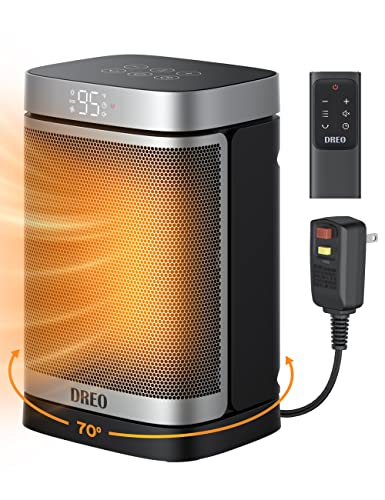
 DREO Space Heater
- Powerful heat that fits everywhere: DREO space heaters…
- Unbreakable safety:DREO goes beyond the unexpected to deliver…
- Ultimate temperature control: The enhanced NTC chipset brings…


As an Amazon Associate we earn from qualifying purchases at no extra cost to you.
Bathroom Heaters at a Glance
| Type | Best for | Typical stated specs | Limits |
|---|---|---|---|
| Ceiling fan-and-heater combo (Broan-NuTone, Panasonic WhisperWarm style) | Whole-bathroom comfort and ventilation | Heater wattage, fan CFM, sone rating | Needs ceiling access and wiring |
| Wall-mounted fan heater | Small baths, replacing an old unit | Wattage listed, thermostat | Needs dedicated circuit |
| Infrared ceiling heater | Instant warmth on skin | Radiant element, lamp or panel | Heats people, not air |
| Electric towel warmer | Warm towels, mild heat | Plug-in or hardwired, temperature control | Low output for room heat |
| Hydronic towel radiator | Homes with hot-water heating | Plumbed into heating system | Plumbing required |
| Bathroom-rated portable heater (Heat-Storm style) | Rentals, temporary use | Listing states bathroom suitability | Check the rating and placement rules |
Safety Comes First
Bathrooms combine water and electricity, so conservative choices matter. Do not use a standard portable heater near a tub, shower, or sink unless the manufacturer states it is designed for bathroom use. Follow the manual, keep heaters away from water spray, and do not use extension cords or power strips with heaters. In the US, bathroom outlets normally require GFCI protection, and many heaters are labeled with listing marks such as UL or ETL. In other regions, look for local certification and zone rules; in the UK, for example, IP ratings and bathroom zones govern where electrical equipment may be installed.
Have a licensed electrician install hardwired or ceiling units, check the circuit capacity, and confirm that the heater is compatible with the room’s wiring. Heaters draw high loads, and an overloaded circuit is a fire risk. If a heater trips breakers, smells burning, or the cord feels hot, stop using it and consult a professional. Safety features such as tip-over switches and overheat protection should be relied on only if the maker states them.
Sizing the Heater
A common rule of thumb in heating guides is about 10 watts per square foot for a modest space, which means a 5-by-8-foot bathroom of 40 square feet might be well served by a 400-watt-class output, though many bathroom heaters are listed at 1,000 to 1,500 watts to warm quickly. Insulation, outside walls, and ceiling height change the result. Consider a heater with a thermostat so it cycles instead of running constantly.
Ventilation also matters. Fan-heater combos often state airflow in CFM and noise in sones. Many building guidelines suggest a bathroom fan move around 1 CFM per square foot for smaller rooms, although local code and the maker’s guidance prevail.
Types Explained
Ceiling-mounted fan and heater combos
These pair an exhaust fan and a heater element in one housing, such as models from Broan-NuTone and Panasonic. Reviewers say they free wall and floor space and deliver warmth from above. Installation requires a ceiling cutout and a duct, so they suit new builds or remodels.
Wall-mounted heaters
Typically placed on a wall near the vanity or door. They are simpler to retrofit than ceiling units but must be placed away from water, as per the manual and local code.
Infrared heaters
Infrared ceiling panels or heat lamps warm surfaces and bodies directly. They give a quick feeling of warmth when stepping out of the shower, though they do little to heat the air. Heat lamps use bulbs that can break, so follow the maker’s bulb guidance.
Towel warmers
Electric versions plug in or are hardwired and warm towels while adding mild room heat. Hydronic versions connect to a boiler system. Reviewers generally treat towel warmers as comfort additions rather than primary heaters.
Portable bathroom-rated heaters
A few portable models are marketed for bathroom use. Read their placement rules carefully, including minimum distance from water sources, and never leave them unattended.
Features Worth Looking For
- Built-in thermostat or timer
- Overheat protection and tip-over protection where the maker lists it
- Low noise rating for combo units
- Ground fault protection on the circuit
- Easy-clean filters or grills
- Wall switch or remote control
Budget Tiers
Budget
Basic wall-mounted fan heaters and small bathroom-rated portable units. Lower wattage and fewer controls.
Mid-range
Ceiling fan-heater combos from Broan-NuTone and similar makers, plus towel warmers. Better noise levels and thermostats.
Premium
Panasonic WhisperWarm-style units, infrared panels, smart-control models, and hydronic towel radiators. Expect quieter operation, higher build quality, and professional installation.
Pick X If You Want…
| Pick this | If you… |
|---|---|
| Ceiling fan-heater combo | Are remodeling and want ventilation too |
| Wall-mounted fan heater | Have a small bath and a dedicated circuit |
| Infrared heater | Want quick warmth when stepping out of the shower |
| Towel warmer | Want warm towels and mild heat |
| Hydronic towel radiator | Already have hot-water heating |
| Bathroom-rated portable | Rent or need a temporary option |
Alternatives
- Radiant floor heating: Mats under tile warm the floor and are installed by a professional.
- Extractor fan with better insulation: Reducing drafts can cut heating needs.
- Warm towels from a heated rail elsewhere: Place the towel warmer in an adjacent area.
- Preheating with the central heating: Zone control or a timer.
Buying Checklist
- Measure the room and ceiling height.
- Check the circuit and voltage with an electrician.
- Choose a heater with a bathroom rating or listing.
- Compare wattage, thermostat, and noise specs.
- Follow the maker’s placement and clearance rules.
- Plan for installation cost and permits where required.
Frequently Asked Questions
Can I use a regular space heater in the bathroom?
Only if the maker states it is suitable for bathroom use. Standard heaters are not designed for wet areas, and water contact can cause shock or fire.
How many watts does a bathroom heater need?
It depends on room size and insulation. Many bathroom heaters are listed from about 1,000 to 1,500 watts, and a licensed electrician can confirm what your circuit supports.
Is an infrared heater better than a fan heater?
Infrared warms people and surfaces quickly but does little for air temperature, while fan heaters warm the air. The better option depends on how you use the room.
Do I need an electrician to install a ceiling heater?
Yes, for hardwired units. An electrician can confirm wiring, GFCI protection, and code compliance.
Is a towel warmer enough to heat a bathroom?
Usually not. Towel warmers add mild warmth and are best as a comfort feature alongside another heat source.
Why does my bathroom heater trip the breaker?
The circuit may be overloaded or the heater faulty. Stop using it and ask an electrician to inspect.
More from Amazon
Programs that pair well with the guide above. Offers and eligibility are set by Amazon and may change.
Collect the home and kitchen items you want in one registry that guests can shop from.
Create a wedding registrySet up recurring deliveries of everyday items on eligible products. Terms and savings are set by Amazon.
Explore Subscribe & SaveFree shipping on eligible items, Prime Video and more. Eligible new members can start with a free trial.
Start a Prime free trialAudiobooks and podcasts to listen to on the go. Eligible new members can start with a free trial.
Try Audible freeAs an Amazon Associate we earn from qualifying purchases.