For a closet, bathroom, or small bedroom, a thermoelectric or desiccant mini dehumidifier suits tiny spaces and quiet use, while a compact compressor unit suits basements and rooms of several hundred square feet where you need real water removal. Pick by room size and how damp it is, not by the capacity printed on the box.
Our top picks
 BEDRED Dehumidifier
- Semiconductor dehumidifiers use thermoelectric cooling to remove moisture…
- Our home dehumidifier features intelligent auto-shutoff, automatically powering…
- Our dehumidifier features a captivating 7-color ambient light,…
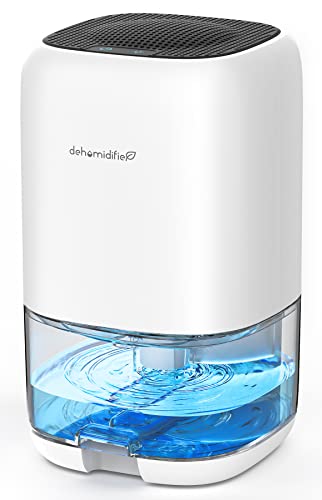 TABYIK 35 OZ Dehumidifier for Bedroom RV
- High Efficient Dehumidifiers for Home: Still annoyed about…
- Small Dehumidifiers with Colorful Light: There is a…
- 35OZ Dehumidifiers for Bathroom: With 1000ml (35OZ) large…
| Product | Key specs | |
|---|---|---|
| BEDRED Dehumidifier | Semiconductor dehumidifiers use thermoelectric cooling to remove moisture… Our home dehumidifier features intelligent auto-shutoff, automatically powering… Our dehumidifier features a captivating 7-color ambient light,… | Check price |
| TABYIK 35 OZ Dehumidifier for Bedroom RV | High Efficient Dehumidifiers for Home: Still annoyed about… Small Dehumidifiers with Colorful Light: There is a… 35OZ Dehumidifiers for Bathroom: With 1000ml (35OZ) large… | Check price |
 OWAAE Dehumidifier for Home with Auto Shutoff | Check price | |
 Dehumidifier 1657ML 58OZ Small Dehumidifier for Home | Check price |
As an Amazon Associate we earn from qualifying purchases at no extra cost to you.
Small Dehumidifiers at a Glance
| Type | Best for | Typical stated specs | Limits |
|---|---|---|---|
| Passive silica or crystal tub (Eva-Dry, DampRid style) | Closets, drawers, cars | No power, tiny coverage | Slow; only light dampness |
| Renewable mini (Eva-Dry E-333 style) | Closets, small bathrooms | Silica beads, plug-in recharge, listed coverage in cubic feet | Low capacity |
| Thermoelectric (Peltier) mini | Small bedrooms, bathrooms | Small tank, quiet, low wattage | Weak in cool rooms |
| Desiccant mini | Cool spaces, garages in cold weather | Rotor or wheel, works at lower temperatures | Higher power use, warm exhaust |
| Compact compressor | Basements, larger rooms | Pints per day, tank or drain hose | Heavier; noisier |
| Portable compressor (Midea, Frigidaire, hOmeLabs style) | Whole-room control | Humidistat, continuous drain, wheels | Largest of the small group |
Understanding the Capacity Number
Dehumidifier capacity is often given in pints per day under a test condition. Since the US Department of Energy changed its test standard in 2019, labels list a lower pint number for the same machine, with the older number and newer number not directly comparable. If a listing quotes a pint figure, check which standard it uses.
For small units, makers often state a coverage area, such as “up to 150 square feet” for thermoelectric minis and “up to 1,500 square feet” for compact compressors. Treat coverage as a rough guide, and size up for very damp or poorly ventilated spaces.
Pick the Technology That Fits the Room
Thermoelectric
These use a Peltier cooling plate. They are quiet, use little power, and have a small tank, usually under a liter. Reviewers often note that they work best in warm, humid rooms and become less effective as temperatures drop. They suit bathrooms, small bedrooms, and RV interiors.
Desiccant
These use a moisture-absorbing wheel that is heated to release water. They continue working in cooler rooms where compressor units can ice up, but they run warmer and use more electricity for their output.
Compressor
These work like a small air conditioner coil. They remove more water per hour in typical room temperatures and many include a humidistat and a drain hose. They are louder and heavier but the best fit for basements and laundry rooms.
Passive and renewable minis
Silica-based products have no moving parts. They suit closets and cabinets, but expect limited effect in a full room.
Features Worth Looking For
- Humidistat: Lets you set a target humidity. Many guides cite 30 to 50 percent as a typical indoor range, and the EPA suggests keeping humidity below 60 percent, ideally between 30 and 50 percent, to help limit mold growth.
- Auto shut-off: A full-tank shut-off is common; only rely on it if the maker lists it.
- Continuous drain: A hose port removes the need to empty the tank, useful in basements.
- Noise level: Makers sometimes list decibels; thermoelectric units are generally quietest.
- Auto defrost: Helps compressor units in cooler rooms.
- Tank size and removable handle: A larger tank means fewer trips.
Placement and Use
Keep doors and windows closed while the unit runs. Place it a few inches away from walls so air can circulate, and on a level surface. Empty the tank and wipe it regularly to prevent odors. Clean or replace filters as the manual instructs. A dehumidifier controls moisture but does not fix leaks, so address plumbing or drainage problems separately.
Safety and Mold
- Do not use an extension cord unless the manual allows it; use a properly grounded outlet.
- Keep the unit away from water and out of reach of children and pets.
- If you see widespread mold, persistent leaks, or have breathing concerns, seek professional remediation and talk to a doctor about health questions. A dehumidifier does not treat or cure any condition.
- Unplug before cleaning or moving.
Budget Tiers
Budget
Passive crystals, renewable silica minis, and small thermoelectric units from Eva-Dry, Pro Breeze, and Afloia. They suit closets and tiny bathrooms.
Mid-range
Compact compressor and larger thermoelectric units. Brands such as hOmeLabs, Midea, and Frigidaire sell small compressor models with humidistats and drain ports.
Premium
Desiccant units and larger smart-enabled dehumidifiers from makers such as Levoit, Waykar, and Ivation. Expect app control, better filters, and wheels.
Pick X If You Want…
| Pick this | If you… |
|---|---|
| Renewable silica mini | Need a silent closet solution with no power draw |
| Thermoelectric mini | Want a quiet, low-power unit for a small warm room |
| Desiccant mini | Have a cool room or garage |
| Compact compressor | Have a basement or laundry area |
| Compressor with continuous drain | Want a set-and-forget unit |
Alternatives
- Better ventilation: Bathroom exhaust fans and open windows cut moisture at the source.
- Whole-house dehumidifier: A better fit for very large or humid homes, installed by a professional.
- Air conditioning: Cooling also removes moisture in many climates.
- Moisture-absorbing bags: A short-term option for drawers and cabinets.
Buying Checklist
- Measure the room and note temperature range.
- Choose technology by temperature.
- Check the capacity standard in the listing.
- Decide on a tank versus a drain hose.
- Look at noise, humidistat, and shut-off features.
- Plan weekly emptying and cleaning.
Frequently Asked Questions
How big a dehumidifier do I need for a small bedroom?
Thermoelectric minis are usually listed for up to about 150 to 300 square feet. Compact compressor units cover more, so pick by the maker’s stated coverage and how damp the room feels.
Do mini dehumidifiers really work?
They work for small, enclosed areas such as closets or bathrooms. Reviewers often report that they are too weak for basements or large rooms.
What humidity level should I aim for?
The EPA suggests keeping indoor humidity below 60 percent, ideally 30 to 50 percent. A humidity meter helps you check.
Can a dehumidifier remove mold?
It cannot remove existing mold. It can help limit conditions that encourage it, but visible or widespread mold needs cleaning or professional remediation.
Why is my dehumidifier not collecting water?
The room may already be dry, too cool for a thermoelectric unit, or the filter may be clogged. Check the manual for troubleshooting.
Is a thermoelectric or compressor model quieter?
Thermoelectric models are generally quieter because they have no compressor, but they remove less water.
More from Amazon
Programs that pair well with the guide above. Offers and eligibility are set by Amazon and may change.
Collect the home and kitchen items you want in one registry that guests can shop from.
Create a wedding registrySet up recurring deliveries of everyday items on eligible products. Terms and savings are set by Amazon.
Explore Subscribe & SaveFree shipping on eligible items, Prime Video and more. Eligible new members can start with a free trial.
Start a Prime free trialAudiobooks and podcasts to listen to on the go. Eligible new members can start with a free trial.
Try Audible freeAs an Amazon Associate we earn from qualifying purchases.