Key takeaways
- Measure the diagonal, not the label: A “32-inch” triangle desk still projects roughly 22 to 24 inches into the room at its widest point. Tape the outline on your floor before you commit, and leave at least 30 inches behind it for a chair to pull back.
- Match the shape to the corner: True triangle tops nest flush and waste nothing, which suits bedrooms and reading nooks. L-shaped desks give you a second work zone but demand two clear walls, so save them for rooms where the corner is genuinely open.
- Check outlet placement, not just presence: Built-in power is the single best small-space upgrade because it eliminates a floor strip and a tangle of cords. Look for outlets and USB-A/USB-C ports mounted on the desk edge or side panel rather than buried underneath.
- Protect your legroom: Drawers and lower shelves are useful until they close off the knee zone. Prioritize storage that sits above the surface or along the outer edge, and confirm at least 25 inches of clear height beneath the top.
- Treat the finish as furniture: In studio and bedroom setups the desk is visible all day. Warm oak, soft grey, and matte white read as intentional; if you want black or carbon fiber, keep the hardware minimal so it doesn’t dominate a small room.
What's inside
Corner desks promise a tidy solve for tight rooms, then arrive as 60-inch monoliths that swallow the only wall you had left. That gap between the listing photo and the room you actually live in is where most small-space desk shopping goes wrong: the footprint is measured at the widest point, the “compact” model needs 18 inches of clearance behind it for cable runs, and the triangular models that truly nest into a corner often skimp on the surface depth a monitor needs to sit at a comfortable distance.
This guide narrows the field to corner desks that genuinely earn their square footage in apartments, bedrooms, and shared living rooms. We looked at real diagonal footprints, whether built-in outlets and USB ports are positioned where you can reach them, how much storage arrives without stealing legroom, and which finishes read as furniture rather than office surplus. Below you’ll find the current picks, followed by a short buying framework and reviews of the five that hold up best in 2026.
As an Amazon Associate we earn from qualifying purchases.


How to Choose a Corner Desk For Small Spaces (2026)
- Measure the diagonal, not the label: A “32-inch” triangle desk still projects roughly 22 to 24 inches into the room at its widest point. Tape the outline on your floor before you commit, and leave at least 30 inches behind it for a chair to pull back.
- Match the shape to the corner: True triangle tops nest flush and waste nothing, which suits bedrooms and reading nooks. L-shaped desks give you a second work zone but demand two clear walls, so save them for rooms where the corner is genuinely open.
- Check outlet placement, not just presence: Built-in power is the single best small-space upgrade because it eliminates a floor strip and a tangle of cords. Look for outlets and USB-A/USB-C ports mounted on the desk edge or side panel rather than buried underneath.
- Protect your legroom: Drawers and lower shelves are useful until they close off the knee zone. Prioritize storage that sits above the surface or along the outer edge, and confirm at least 25 inches of clear height beneath the top.
- Treat the finish as furniture: In studio and bedroom setups the desk is visible all day. Warm oak, soft grey, and matte white read as intentional; if you want black or carbon fiber, keep the hardware minimal so it doesn’t dominate a small room.
The Best Corner Desks For Small Spaces (2026), Reviewed
32″ Farmhouse Corner Desk with Power Outlets and Drawers, Grey
This is the most honest small-space corner desk on the list: a compact triangular top with integrated outlets, two drawers, and legs that don’t wobble when you type. The grey farmhouse finish keeps it from looking like office equipment in a bedroom, and the footprint is forgiving enough for rentals with awkward corners.
SEDETA Farmhouse Corner Desk, White
The lightest-feeling option here, and the one we’d choose for a bright bedroom or a shared living space where the desk needs to disappear visually. Surface depth is adequate for a laptop plus a single monitor, though heavy dual-screen users should size up.
Corner Desk with Outlets and USB Ports, Oak
A triangle desk that solves the cable problem properly, with USB ports positioned within reach and open storage that doesn’t intrude on legroom. The oak finish is the standout: warm enough to sit alongside real furniture rather than clash with it.
42″ Reversible L-Shaped Gaming Desk, Carbon Fiber Black
Purpose-built for small gaming setups, with a monitor riser, cup holder, headset hook, and LED accents that keep peripherals off the work surface. The reversible design means it adapts to either corner orientation, which matters more than it sounds when your outlets are on the wrong wall.
Kingant L-Shaped Standing Desk, 63 x 55″
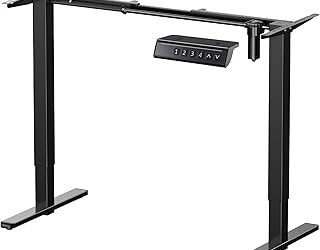
The most capable desk here and the one to buy if your “small space” is a corner of a larger room rather than a genuine nook. Electric height adjustment, a built-in charging station, and a wide dual-monitor footprint make it a serious workstation, but confirm your wall measurements first.
Frequently Asked Questions
Are corner desks actually better for small rooms?
Usually yes, because corners are the least usable part of a room. A triangular or L-shaped top converts dead space into a work surface without interrupting your main walkways, which a rectangular desk against a wall cannot do.
How much wall space do I need for an L-shaped desk?
Plan for the full length of each arm plus a few inches of clearance. A 42-inch reversible model needs roughly two 45-inch runs of clear wall; a 63-inch standing desk needs considerably more, so measure before ordering.
Is built-in power worth paying extra for?
In a small room, yes. Integrated outlets and USB ports remove the need for a power strip and extension cord on the floor, which reduces both clutter and trip hazards, and they keep charging cables at desk height where you use them.
Can a compact corner desk handle two monitors?
A 32-inch triangle desk will fit two small monitors only with a mounted arm or riser. If dual displays are non-negotiable, choose a 42-inch or larger L-shaped model where the corner apex gives you the depth to sit back from the screens.
Final Thoughts
For most small rooms, the 32″ Farmhouse Corner Desk in grey is the best balance of footprint, built-in power, and finish, with the SEDETA white model as the pick for brighter bedrooms where visual weight matters. If your corner has room to spare and you want a desk that grows with your setup, the Kingant L-Shaped Standing Desk is the clear step up.