Key takeaways
- Diameter by room width: Add your entry’s width and length in feet, then treat that sum in inches as your target diameter. A 6-by-8-foot foyer lands near 14 inches; a 12-by-15-foot space supports 27 to 30 inches comfortably.
- Drop and clearance: Leave at least seven feet of floor clearance in a walkway. For two-story foyers, allow roughly 2.5 to 3 inches of fixture height per foot of ceiling, and keep the bottom above the second-floor sightline so it reads well from both levels.
- Adjustability matters more than you think: Fixtures with removable rod segments or long chain runs let you correct a misjudged drop on install day instead of returning the whole thing.
- Light quality over raw wattage: Aim for 2700K to 3000K bulbs and put the circuit on a dimmer. Crystal and globe designs throw glare when driven hard; dimming is what makes them feel intentional after dark.
- Weight, box, and slope: Confirm the ceiling box is fan-rated or brace-supported for anything over about 15 pounds, and check that the canopy accommodates a sloped ceiling if your entry has one.
What's inside
An entryway is the shortest room in the house and the one people remember. Most of the frustration buyers run into is scale, not style: a fixture that looked commanding in a photo studio arrives and reads like a pendant lost in a stairwell, or a five-tier crystal piece swallows an eight-foot ceiling and turns a welcome into a squeeze. Add a drop length guessed rather than measured, a finish that fights the door hardware, and a bulb temperature that makes warm oak look gray, and the first impression collapses before anyone takes their coat off.
This guide sorts through the entryway chandeliers worth hanging in 2026, from adjustable industrial cages that flex between a low hall and a double-height foyer, to K9 crystal tiers built for stairwell drama, to soft fabric-shaded fixtures that suit a quieter arrival. Below you’ll find sizing and mounting guidance first, then focused reviews of the strongest options, so you can match a fixture to your actual ceiling rather than to someone else’s.
As an Amazon Associate we earn from qualifying purchases.


How to Choose an Entryway Chandelier (2026)
- Diameter by room width: Add your entry’s width and length in feet, then treat that sum in inches as your target diameter. A 6-by-8-foot foyer lands near 14 inches; a 12-by-15-foot space supports 27 to 30 inches comfortably.
- Drop and clearance: Leave at least seven feet of floor clearance in a walkway. For two-story foyers, allow roughly 2.5 to 3 inches of fixture height per foot of ceiling, and keep the bottom above the second-floor sightline so it reads well from both levels.
- Adjustability matters more than you think: Fixtures with removable rod segments or long chain runs let you correct a misjudged drop on install day instead of returning the whole thing.
- Light quality over raw wattage: Aim for 2700K to 3000K bulbs and put the circuit on a dimmer. Crystal and globe designs throw glare when driven hard; dimming is what makes them feel intentional after dark.
- Weight, box, and slope: Confirm the ceiling box is fan-rated or brace-supported for anything over about 15 pounds, and check that the canopy accommodates a sloped ceiling if your entry has one.
The Best Entryway Chandeliers (2026), Reviewed
Bairth 20″–62″ Adjustable 6-Light Chandelier
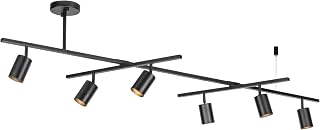
The adjustable 20-to-62-inch height range makes this the most forgiving pick here, letting one fixture work over a hallway console or stretch into a stairwell without a second order. The open black frame keeps visual weight low, so it suits narrow entries where a solid shade would feel bulky.
Modern Black Crystal 12-Light Globe Chandelier, 27″
Twelve crystal globes on a blackened frame give you real presence at 27 inches across, which is the sweet spot for a wide foyer or a landing visible from the front door. Put it on a dimmer, since the individual globes are bright enough to draw the eye away from the composition at full output.
30″ Round K9 Crystal 5-Tier Chandelier
This is the choice for double-height entries and open staircases, where the five stacked tiers read as a single sculptural column rather than a row of bulbs. Verify your ceiling box rating and plan on a second set of hands, as tiered crystal fixtures are the heaviest category in this roundup.
CNRATYE 20″ Farmhouse Crystal 5-Light Chandelier
A restrained take on crystal, pairing antique black metalwork with modest faceting so it flatters painted trim and warm wood without tipping into formality. At 20 inches it fits standard eight- to nine-foot entryway ceilings that larger fixtures overwhelm.
15.7″ Geometric 4-Light Black Chandelier
The smallest and most graphic option, built for apartment entries, tight hallways, and anywhere the fixture needs to define the space without occupying it. The open geometric cage keeps sightlines clear, which matters when the front door swings within a few feet of it.
Frequently Asked Questions
How high should an entryway chandelier hang?
In a standard eight- or nine-foot entry, hang the bottom seven to seven and a half feet off the floor. In a two-story foyer, center it in the vertical space and keep the base above the second-floor railing line so it looks correct from upstairs.
Do I need a chandelier if the entry already has a ceiling light?
A flush fixture lights the floor; a chandelier lights the room and sets its tone. If your entry has more than eight feet of ceiling, a hanging fixture almost always improves both the light distribution and the sense of arrival.
Is crystal too formal for a modern home?
Not when the frame is matte black and the crystal is used sparingly, as in the farmhouse and globe designs above. The finish, not the material, is what reads traditional or contemporary.
Can I install one myself?
Simple, lightweight fixtures on an existing box are within reach for a confident DIYer. Heavy tiered crystal, sloped ceilings, or any entry requiring a ladder over a stairwell should go to a licensed electrician.
Final Thoughts
For most homes, the Bairth adjustable 6-light is the safest bet, since its 20-to-62-inch range absorbs sizing mistakes that would otherwise mean a return. Choose the 27-inch black crystal globe chandelier if you want a wide foyer to feel finished, or the 30-inch K9 crystal 5-tier if you have a double-height entry or staircase that can carry genuine drama.