Key takeaways
- Abrasion resistance: Dining seats are high-traffic. Favor tightly woven, heavier-weight cloth or a coated vinyl over loose, decorative weaves that pill and fuzz where thighs pivot. If a listing quotes a double rub count, 15,000+ is a sensible floor for daily use.
- Cleanability: Households with kids, or anyone who serves tomato sauce, should lean toward PU or marine vinyl that wipes clean with a damp cloth. Woven linen and faux linen breathe better and look warmer, but they absorb — plan on a fabric protector spray.
- Yardage math: Measure the seat pad top, then add the side depth plus 3 to 4 inches per edge for wrapping and stapling. Most standard drop-in seats consume roughly half a yard each at 54 to 57 inch width, so a set of four wants 2 to 2.5 yards, and a set of six is safer at 3 to 5 yards from a single dye lot.
- Give and backing: Corners are where jobs go wrong. Material with a touch of stretch or a soft knit backing pleats neatly around a radius, while stiff, thickly coated vinyl needs relief cuts and a steady hand. Check stated thickness: around 1 to 1.2mm is a good balance of body and workability.
- Color under real light: Dining rooms often run warm bulbs at night and cool daylight at noon. Mid-tone greys, flax, and off-white read cleanly in both and hide crumbs better than either black or pure white, which show lint and stains respectively.
What's inside
Dining chairs take more abuse than any other seat in the house. They get shoved back with the backs of knees, dragged across tile, splashed with red wine and olive oil, and sat in by people wearing raw denim that sands away a weave like fine-grit paper. So when the seat pads start going shiny at the front edge or the piping splits along a corner, the frame is usually fine — it’s the covering that gave up. The trouble starts at the shopping stage: yardage listings tend to advertise color and softness while staying quiet about the specs that actually predict how a chair ages, like weave density, backing, coating thickness, and whether the material will forgive a tight staple around a curved corner.
This guide narrows the field to six materials that hold up in real dining rooms, spanning three categories worth knowing: faux linen for a soft, tailored look with easy handling, true heavy linen for texture purists, and PU or marine vinyl for households where wipeable beats beautiful-but-fragile. Below you’ll find what to evaluate before you buy, honest notes on each option, and the yardage math that keeps you from ordering one cut short.
As an Amazon Associate we earn from qualifying purchases.



🛒 Best Price Today on Amazon
Prime members get fast, free shipping on everything above, plus member-only deals. New members get a 30-day free trial — cancel anytime.
How to Choose a Material To Reupholster Dining Room Chairs (2026)
- Abrasion resistance: Dining seats are high-traffic. Favor tightly woven, heavier-weight cloth or a coated vinyl over loose, decorative weaves that pill and fuzz where thighs pivot. If a listing quotes a double rub count, 15,000+ is a sensible floor for daily use.
- Cleanability: Households with kids, or anyone who serves tomato sauce, should lean toward PU or marine vinyl that wipes clean with a damp cloth. Woven linen and faux linen breathe better and look warmer, but they absorb — plan on a fabric protector spray.
- Yardage math: Measure the seat pad top, then add the side depth plus 3 to 4 inches per edge for wrapping and stapling. Most standard drop-in seats consume roughly half a yard each at 54 to 57 inch width, so a set of four wants 2 to 2.5 yards, and a set of six is safer at 3 to 5 yards from a single dye lot.
- Give and backing: Corners are where jobs go wrong. Material with a touch of stretch or a soft knit backing pleats neatly around a radius, while stiff, thickly coated vinyl needs relief cuts and a steady hand. Check stated thickness: around 1 to 1.2mm is a good balance of body and workability.
- Color under real light: Dining rooms often run warm bulbs at night and cool daylight at noon. Mid-tone greys, flax, and off-white read cleanly in both and hide crumbs better than either black or pure white, which show lint and stains respectively.
The Best Materials To Reupholster Dining Room Chairs (2026) Reviewed
TinaKim Thick Chair Upholstery Fabric (Faux Linen)
This is the most forgiving pick for a first-time reupholsterer: it has genuine upholstery weight, so it doesn’t telegraph the foam beneath, and the flaxen tone gives that quiet Scandinavian-adjacent look designers keep specifying. The 57 by 72 inch cut handles four standard drop-in seats with room for error.
Wento Faux Leather Fabric, Soft Skin Grain PU
A convincing skin grain and a supple hand make this the vinyl to choose when you want leather’s practicality without leather’s price or break-in period. The softness is the real selling point — it wraps corners with far less fighting than rigid automotive-grade material.
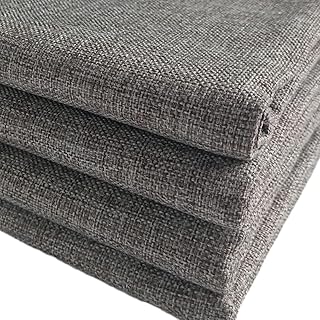
Heavy Linen Fabric, 80 x 57 Inches, 1.2mm
Real linen at 1.2mm thickness delivers a depth of texture no synthetic quite matches, and the dark grey is a smart hedge against visible wear. Accept the tradeoff: it will absorb spills, so seal it and reserve it for chairs that see adult dinners more than toddler snacks.
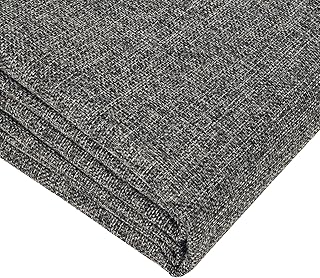
Faux Linen Needlework Fabric, 3.3 Yards x 57 Inch
The best value here for larger sets, with enough yardage to cover six seats plus a spare panel from one consistent dye lot. The grey-blue is a genuinely fresh alternative to the usual neutrals and flatters both walnut and painted frames.
Soft Waterproof Marine Vinyl Faux Leather
Marine-grade construction means UV and moisture resistance built in, which matters for chairs parked near a sunny window or used on a covered patio. It’s the most bulletproof choice on this list and the easiest to keep looking new with a wipe.
Frequently Asked Questions
How much fabric do I need for four dining chairs?
Roughly 2 yards at 54 to 57 inch width for standard square drop-in seats. Chairs with fully upholstered backs or skirts can double that, so measure every surface you plan to cover before ordering.
Is vinyl or linen better for dining chairs?
Vinyl wins on maintenance and lifespan; linen wins on breathability and visual warmth. Mixing works well too — vinyl on the seats that get used nightly, woven fabric on the head chairs.
Do I have to remove the old fabric?
If the existing cover is smooth and thin, you can staple over it for extra padding. Strip it if it’s lumpy, damp, or already two layers deep, since bulk at the corners prevents the seat from dropping back into the frame.
What tools do I actually need?
A staple gun with 3/8 inch staples, sharp shears, a flathead screwdriver or staple remover, and a screwdriver for the seat bolts. A helper to hold tension while you staple is the underrated one.
Final Thoughts
For most dining rooms, the TinaKim faux linen hits the sweet spot of looks, weight, and workability, while the Wento soft grain PU is the pick for spill-prone households that still want a refined finish. If you’re covering six chairs or want extra material in reserve, the 3.3-yard faux linen needlework fabric is the most economical route to a matched set.