Key takeaways
- Match the paint to the substrate: Solid wood and previously painted pine accept almost anything. Laminate, melamine, and sealed veneer need either a bonding primer or a self-priming chalk-style formula that grips without sanding to bare material.
- Prioritize block resistance: “Block” is when two surfaces stick together under pressure, which is exactly what a stack of books does to a shelf. Look for an acrylic or alkyd enamel, or plan on a clear protective topcoat over matte chalk paint.
- Decide between all-in-one and a layered system: All-in-one paints with built-in primer and sealer save hours and are ideal for decorative cases. A primer-plus-enamel build still wins on shelves holding textbooks or vinyl.
- Choose your application method honestly: Spray handles spindles, fluting, and shelf undersides beautifully but demands ventilation and masking. Brush and mini-roller give you more control indoors and far less overspray to clean up.
- Do the coverage math first: A standard five-shelf case has far more square footage than it appears, once you count both sides of every shelf. Budget roughly a quart for a mid-size bookcase, or three to four spray cans.
What's inside
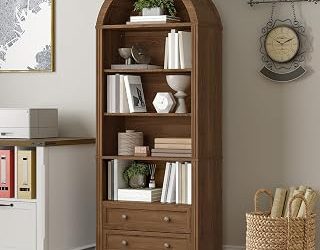
A bookcase punishes paint in ways a dresser never does. Shelves take constant abrasion from book spines sliding in and out, the horizontal surfaces sit under sustained weight for years, and the interior corners are a nest of tight angles where a loaded brush turns into drips. Add the fact that most bookcases in circulation are MDF, particleboard, or thin veneer rather than solid wood, and you have a project where the wrong can of paint doesn’t just look mediocre, it stays faintly tacky and grips the cover of every hardback you set down.
This guide is built around that specific failure point. Below are the finishes worth your time in 2026, chosen for how they handle slick factory surfaces, how hard they cure, and how forgiving they are when you’re working inside a cabinet box with limited elbow room. You’ll find sprays for detail-heavy cases, brush-on all-in-ones for color-driven makeovers, and one genuinely tough enamel for shelves that will carry real weight.
As an Amazon Associate we earn from qualifying purchases.



How to Choose Paint for a Bookcase (2026)
- Match the paint to the substrate: Solid wood and previously painted pine accept almost anything. Laminate, melamine, and sealed veneer need either a bonding primer or a self-priming chalk-style formula that grips without sanding to bare material.
- Prioritize block resistance: “Block” is when two surfaces stick together under pressure, which is exactly what a stack of books does to a shelf. Look for an acrylic or alkyd enamel, or plan on a clear protective topcoat over matte chalk paint.
- Decide between all-in-one and a layered system: All-in-one paints with built-in primer and sealer save hours and are ideal for decorative cases. A primer-plus-enamel build still wins on shelves holding textbooks or vinyl.
- Choose your application method honestly: Spray handles spindles, fluting, and shelf undersides beautifully but demands ventilation and masking. Brush and mini-roller give you more control indoors and far less overspray to clean up.
- Do the coverage math first: A standard five-shelf case has far more square footage than it appears, once you count both sides of every shelf. Budget roughly a quart for a mid-size bookcase, or three to four spray cans.
The Best Bookcase Paints Reviewed (2026)
Rust-Oleum Chalked All-in-One Ultra Matte Spray, Linen White
The most efficient way to get a soft, chalky matte into every corner of a bookcase without brush marks, and the one-coat coverage claim holds up on primed or previously painted surfaces. Linen White reads warm rather than clinical, which keeps a case from looking like office furniture.
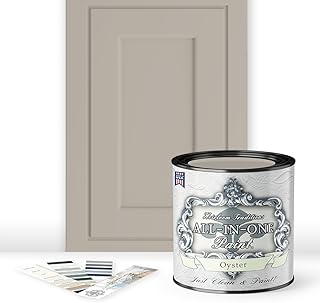
Heirloom Traditions ALL-IN-ONE Paint, Oyster
A genuinely self-sealing formula with primer and topcoat built in, so a two-coat brush application is the entire project. Oyster is a versatile greige that flatters both walnut floors and cool grey walls, making it my default recommendation for a first-time furniture painter.
Country Chic All-in-One Chalk Paint, Sage Advice
The pick for anyone treating the bookcase as a color moment rather than a background object. This muted sage sits somewhere between botanical and dusty, it levels well under a synthetic brush, and the eco-friendly, low-odor formula is comfortable to use in a living room.
Rust-Oleum Advanced Dry Door & Trim Paint, Satin White
The toughest option here and the right call for load-bearing shelves. It’s engineered for doors and trim, meaning it cures hard and fast enough to resist blocking, and the satin sheen wipes clean when a shelf collects dust.
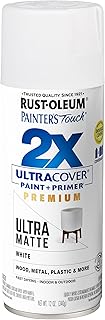
Rust-Oleum Painter’s Touch 2X Ultra Cover Spray, Ultra Matte White
An oil-based workhorse that sprays from any angle, which matters enormously when you’re coating shelf undersides. Durable enough for a garage or entryway bookcase, and the comfort tip spares your index finger across four or five cans.
Frequently Asked Questions
Do I have to sand a bookcase before painting?
Not always. Modern all-in-one paints bond to lightly scuffed factory finishes, but you should still degloss shiny surfaces with 220-grit and remove grease with a degreaser. Slick melamine is the one substrate where skipping prep reliably fails.
Will my books stick to the shelves?
They can, if you load the case before the paint has fully cured. Dry to the touch is not cured, so give matte chalk finishes a clear topcoat and allow several days before restocking heavy volumes.
Can I test a color before committing to a quart?
Yes, and you should. A small-format option like the DWIL Matte Finish Furniture Paint in 5 oz is enough to sample on a shelf back and judge the tone in your own light.
How many coats does a bookcase need?
Two thin coats outperform one heavy one every time. Dark stains or red-toned woods may need a stain-blocking primer first to stop bleed-through.
Final Thoughts
For most makeovers, Heirloom Traditions ALL-IN-ONE in Oyster delivers the cleanest result with the least fuss, while the Rust-Oleum Chalked spray in Linen White is unbeatable on detailed or open-back cases. If your shelves are carrying serious weight, spend the extra step on Rust-Oleum Advanced Dry Door & Trim in satin white and you won’t be repainting.