Key takeaways
- Film vs. penetrating: Film finishes like polycrylic sit on top and block water best; penetrating oils bond inside the fibers and keep the wood’s tactile grain. Choose film for households with young kids, oil for looks and easy repairs.
- Spot repair: Ask how a single scratch gets fixed. Hardwax and monocoat oils blend a damaged patch invisibly with a rag. Film coatings usually require sanding and recoating the whole surface for an even sheen.
- Food safety and VOCs: Dining surfaces meet bread, fruit, and elbows. Look for products that cure to a food-safe state and cite low or zero VOCs, especially if you cannot ventilate for several days.
- Cure time vs. dry time: Dry to touch is not ready for use. Oils often need a week before heavy dishes; waterborne films harden fastest but stay soft for the first 48 hours. Plan your project around a real cure window.
- Coverage math: Buy by square footage, not can size. A 72-inch table with an apron and legs runs roughly 40 to 50 square feet, and one quart of film finish generally covers three coats comfortably.
What's inside
A dining table absorbs more abuse than any other surface in the house. Coffee rings at 7 a.m., a laptop dragged across the grain at noon, red wine and candle wax by ten. The finish is the only thing standing between that daily traffic and the wood itself, which is why so many otherwise beautiful tables end up looking tired within two years. Most buyers pick a product based on sheen alone, then discover too late that it yellows, feels plasticky underfoot of a serving dish, or refuses to spot-repair without stripping the entire top.
This guide sorts the options by how they actually behave in a working dining room. We look at penetrating oils that live in the wood and can be touched up in minutes, hard film coatings that shrug off moisture but demand a full recoat when damaged, and wax conditioners that maintain what you already have. We also flag two extendable tables worth considering if you would rather buy a factory finish than build one, along with the trade-offs of each approach in 2026.
As an Amazon Associate we earn from qualifying purchases.




🛒 Best Price Today on Amazon
Prime members get fast, free shipping on everything above, plus member-only deals. New members get a 30-day free trial — cancel anytime.
How to Choose a Wood Finish For Dining Room Table (2026)
- Film vs. penetrating: Film finishes like polycrylic sit on top and block water best; penetrating oils bond inside the fibers and keep the wood’s tactile grain. Choose film for households with young kids, oil for looks and easy repairs.
- Spot repair: Ask how a single scratch gets fixed. Hardwax and monocoat oils blend a damaged patch invisibly with a rag. Film coatings usually require sanding and recoating the whole surface for an even sheen.
- Food safety and VOCs: Dining surfaces meet bread, fruit, and elbows. Look for products that cure to a food-safe state and cite low or zero VOCs, especially if you cannot ventilate for several days.
- Cure time vs. dry time: Dry to touch is not ready for use. Oils often need a week before heavy dishes; waterborne films harden fastest but stay soft for the first 48 hours. Plan your project around a real cure window.
- Coverage math: Buy by square footage, not can size. A 72-inch table with an apron and legs runs roughly 40 to 50 square feet, and one quart of film finish generally covers three coats comfortably.
The Best Wood Finish For Dining Room Table (2026)s Reviewed
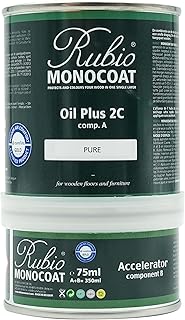
Rubio Monocoat Oil Plus 2C
The most refined result in a single coat, thanks to a two-part chemistry that molecularly bonds to bare wood rather than layering on top. It leaves an almost raw, matte hand-feel that designers keep specifying, and localized scratches blend back in with a dab of oil and a cloth.
Tried & True Superior Varnish Oil
A pine resin and linseed oil blend with no petroleum distillates or metallic driers, which makes it a rare choice for people sensitive to solvents. It builds a soft, hand-rubbed luster over several thin coats and rewards patience; rush the recoat schedule and you will get a tacky surface.
Minwax Polycrylic Protective Finish
Still the pragmatic pick for a family table that needs to resist water, juice, and homework. The waterborne formula dries clear without the amber shift of oil-based poly, and a satin sheen keeps it from reading glossy under pendant lights.
PIPIHUA Beeswax Polish and Conditioner
Not a standalone finish, but the maintenance layer that extends the life of one you already have. It revives dull oiled or waxed tops, evens out light water marks, and adds a modest moisture barrier between deeper refinishing cycles.
Ashley Ralene Extendable Dining Table
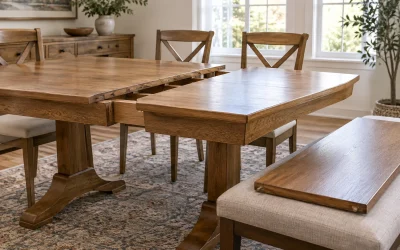
If refinishing is not the project you want, this veneer and engineered wood table arrives with a durable factory topcoat and an 18-inch self-storing butterfly leaf that seats up to eight. Treat the surface as sealed rather than oiled, and clean with a damp cloth instead of a penetrating product.
Frequently Asked Questions
Is an oil finish durable enough for daily dining use?
Yes, provided you accept a maintenance rhythm. Modern hardwax oils resist spills well once fully cured, and their advantage is repairability: you refresh a worn patch instead of stripping the top.
How many coats of polycrylic does a table need?
Three thin coats is the practical minimum for a dining surface, with a light scuff sand between each. Two coats will look fine and wear through at the elbows within a year.
Can I put wax over polyurethane?
You can, and a beeswax polish will add sheen and a light barrier, but it does not bond to the film. Skip wax if you plan to recoat with poly later, since residue interferes with adhesion.
Will these finishes work on a veneered table?
Film finishes are safer on veneer because they require minimal sanding. Penetrating oils need bare wood, and aggressive sanding can cut straight through a thin veneer layer.
Final Thoughts
For most dining rooms, Rubio Monocoat Oil Plus 2C delivers the best combination of natural appearance and painless repairs, while Minwax Polycrylic remains the sensible choice when spill resistance outranks tactility. Keep a jar of PIPIHUA beeswax polish on hand either way, since regular conditioning is what keeps a good finish looking new years after the project ends.