Key takeaways
- When you stand in your kitchen deciding how to upgrade your cookware, you are not just choosing between two different metals. You are choosing a cooking philosophy. The debate between a carbon steel skillet vs stainless steel frying pan is…
What's inside
When you stand in your kitchen deciding how to upgrade your cookware, you are not just choosing between two different metals. You are choosing a cooking philosophy. The debate between a carbon steel skillet vs stainless steel frying pan is one of the most persistent in the culinary world, and for good reason. Both materials are beloved by professional chefs, yet they demand entirely different relationships with the home cook.
On one side, carbon steel offers the promise of a natural, chemical-free nonstick surface that improves the more you use it. It behaves like a lighter, more nimble sibling to cast iron. On the other side, stainless steel represents absolute predictability and resilience. It is impervious to acidic ingredients, requires zero seasoning rituals, and can be scrubbed clean or tossed in the dishwasher without a second thought. For home cooks looking to make the right investment, understanding how these materials handle heat, acid, maintenance, and daily wear is essential to finding the perfect match for your stovetop.
As an Amazon Associate we earn from qualifying purchases at no extra cost to you. Product prices and availability are accurate as of the date shown and are subject to change.


Quick Verdict
If you love the process of cooking—the ritual of seasoning, the development of a dark patina, and the art of heat management—choose a carbon steel skillet. It is unmatched for high-heat searing, sautéing, and sliding eggs out of the pan without synthetic nonstick coatings. However, if you want a zero-maintenance workhorse that can simmer acidic tomato sauces, deglaze with white wine, and go straight into the dishwasher, the stainless steel frying pan is your clear winner. For most busy households, stainless steel serves as the baseline daily driver, while carbon steel acts as the specialized searing specialist.
Side by Side
To help you visualize how these two classic pan styles stack up in daily use, here is a breakdown of their core characteristics, physical profiles, and ownership demands.
| Feature | Carbon Steel Skillet | Stainless Steel Frying Pan |
|---|---|---|
| Comfort & Weight | Moderate weight (approx. 3 to 4 lbs for a 10-inch pan); easier to flip than cast iron but heavier than aluminum. | Light to moderate (approx. 2 to 3.5 lbs depending on ply thickness); generally very balanced and agile. |
| Durability | Virtually indestructible; can warp under extreme thermal shock but can be re-seasoned infinitely if rusted. | Incredibly tough; will not rust, chip, or react, though cheap pans can warp under high heat. |
| Price Range | Typically $25 to $120. Budget-friendly options like the Yonida Carbon Steel Pan ($29.99) are highly accessible. | Typically $20 to $250+. Compact entry options like the Cuisinart 8-Inch Open Skillet start at just $19.95. |
| Maintenance | High. Requires initial seasoning, hand-washing, prompt drying, and light oiling after every use. | Very low. Dishwasher safe; can be soaked and scrubbed with abrasive pads or specialized cleansers. |
| Space Needed | Needs dry storage; cannot be nested wet or stacked carelessly without scratching the protective seasoning. | Standard cabinet storage; highly stackable and impervious to moisture damage in humid cupboards. |
| Look & Aesthetics | Starts silver-gray and matures into a dark, mottled, rustic black patina that shows its history of use. | Stays bright, shiny, and metallic; looks modern and clean, though can develop rainbow heat tints over time. |
| Resale & Longevity | Excellent longevity (lasts generations); moderate resale value due to its rugged, industrial nature. | Exceptional longevity; high-end clad brands hold solid resale value because they can be polished to look brand new. |
| Best For | Searing steaks, frying eggs, stir-frying, charring vegetables, and outdoor campfire cooking. | Searing meats, deglazing pan sauces, pan-roasting, simmering acidic dishes (tomatoes, citrus, wine). |
Where Carbon Steel Skillet Wins
Carbon steel is composed of roughly 99% iron and 1% carbon. This specific alloy gives the metal a unique set of properties that make it the darling of professional kitchens worldwide. As we look at the kitchen landscape of 2026, home cooks are increasingly moving away from chemical nonstick coatings in favor of this traditional, natural alternative.
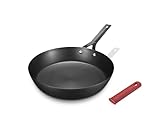
The primary advantage of a carbon steel skillet is its ability to build a natural nonstick seasoning. When fats and oils are heated to their smoking point in the pan, they undergo polymerization, transforming from liquid fat into a hard, plastic-like protective layer. Over time, this seasoning darkens, turning a silver pan like the Yonida Carbon Steel Pan, 10 Inch Nonstick Frying Pan Skillet ($29.99) into a dark, slick cooking surface. This allows you to cook delicate foods like crepes, fish, and fried eggs with minimal sticking and absolutely no synthetic chemicals.
Additionally, carbon steel reacts incredibly quickly to temperature changes. If you are cooking a delicate sauce or searing a protein and notice the pan is getting too hot, pulling it off the burner results in an almost immediate drop in cook temperature. This responsiveness prevents burning and gives you precise culinary control. It also tolerates incredibly high heat levels—often up to 600°F or more—making it perfect for achieving a restaurant-quality crust on a ribeye steak. Premium options, such as the Merten & Storck 12″ Pre-Seasoned Carbon Steel Frying Pan Skillet ($59.99), offer a head start by arriving pre-seasoned, allowing cooks to bypass the initial oven-baking steps and jump straight to cooking.
Where Stainless Steel Frying Pan Wins
While carbon steel thrives on careful maintenance and specific cooking techniques, stainless steel is the king of versatility and convenience. Stainless steel pans are typically constructed with an aluminum or copper core sandwiched between layers of steel (known as tri-ply or multi-clad construction). This design combines the rapid heat distribution of aluminum with the durable, non-reactive properties of steel.
The single greatest strength of stainless steel is its non-reactive surface. Because the metal contains chromium and nickel, it does not react with acidic ingredients. You can simmer tomato marinara, reduce white wine pan sauces, or squeeze lemon juice over a pan-seared chicken breast without damaging the pan. If you attempt this in a carbon steel skillet, the acid will strip away the built-up seasoning, imparting a metallic taste to your food and forcing you to re-season the pan from scratch.
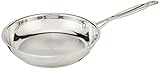
Stainless steel also wins handily in the cleanup category. A pan like the VocVoi Stainless Steel Pan, 12 Inch with Lid Stainless Steel Frying Pan ($32.99) can handle metal utensils, abrasive scrub sponges, and the harsh environment of a residential dishwasher. If food does stick, you can simply fill the pan with soapy water and let it soak overnight—a practice that would completely ruin a carbon steel pan by causing it to rust. For quick, smaller meals, a compact option like the Cuisinart 8-Inch Open Skillet ($19.95) can be cleaned in seconds with standard dish soap, making it incredibly convenient for daily breakfast prep.
Cost Over 5 Years
When evaluating the true cost of ownership, both materials are incredibly economical compared to cheap, disposable nonstick pans that must be replaced every two to three years when their chemical coatings scratch and fail. However, their ongoing maintenance requirements create slightly different financial paths over a five-year period.
With a carbon steel skillet, your initial purchase is highly affordable, ranging from $30 to $60. Over five years, your primary expenses will come from maintenance supplies. You will need to invest in seasoning oils (such as flaxseed, grapeseed, or specialized seasoning waxes) and non-abrasive cleaning tools like chainmail scrubbers or stiff-bristled brushes. Because carbon steel cannot be left wet, you will also use a bit more energy drying it on the stovetop after washing. Still, the total five-year cost remains incredibly low—typically around $50 to $100 total, including the pan itself—and the pan will likely perform better in year five than it did on day one.
With a stainless steel frying pan, the initial purchase price can vary widely, from $20 for budget options to over $200 for premium 5-ply Italian or American-made cookware. However, the maintenance cost over five years is virtually zero. You do not need specialized oils, delicate scrubbers, or stovetop drying routines. Your only ongoing expense is standard dish soap and the occasional canister of oxalic acid cleanser (like Bar Keepers Friend, which costs about $3 to $5) to polish away mineral deposits and restore the pan’s mirror finish. A high-quality stainless steel pan is essentially a buy-once, cry-once purchase that will easily outlive its five-year window without requiring any additional investment.
Which One for Your Home
Small Apartment
If you live in a small apartment with limited cabinet space and a standard overhead vent hood, the stainless steel frying pan is your best choice. Carbon steel seasoning processes can produce a significant amount of smoke, which can easily overwhelm small living spaces and trigger sensitive smoke alarms. Furthermore, a versatile 12-inch stainless steel pan with a lid, such as the VocVoi Stainless Steel Pan, can handle everything from boiling pasta to searing meats and simmering sauces, reducing the need for multiple specialized pans in a cramped kitchen.
Family with Kids and Pets
In a busy household where dinner cleanup is often rushed or delegated to teenagers, the stainless steel frying pan is the safest option. Carbon steel requires strict discipline; if a family member accidentally leaves a carbon steel skillet soaking in a sink full of soapy water overnight, it will wake up covered in orange rust. A stainless steel pan like the Cuisinart 8-Inch Open Skillet is virtually kid-proof, pet-proof, and partner-proof, surviving sink clutters and dishwasher cycles without skipping a beat.
Rental Property
For rental properties where tenants have varying levels of culinary experience, stainless steel is the undisputed winner. Tenants rarely know how to care for carbon steel, and a neglected carbon steel pan will quickly rust and deteriorate. Stainless steel looks modern, clean, and professional, and it is compatible with all cooktop types—including the glass-ceramic induction stoves frequently found in modern rentals—without the risk of scratching the glass surface with rough, unpolished metal bottoms.
Long-Term Home
If you are settling into a long-term home where you want to build a curated collection of high-performance cookware, you should absolutely invest in a high-quality carbon steel skillet, such as the pre-seasoned Merten & Storck 12″ Frying Pan. In a permanent kitchen where you control the cleaning habits, you can properly cultivate the pan’s dark patina over the years. It will become a beloved kitchen heirloom that you turn to every weekend for searing steaks, roasting vegetables, and cooking perfect weekend breakfasts.
FAQ
Do carbon steel skillets rust easily?
Carbon steel will rust if it is exposed to moisture for extended periods without a protective layer of oil. However, as long as you dry the pan thoroughly after washing (ideally on a warm stovetop burner for 60 seconds) and apply a very thin coat of neutral cooking oil before storing, it will remain completely rust-free. If rust does occur, it is easily scrubbed away with steel wool and re-seasoned.
Can you use metal utensils on stainless steel and carbon steel?
Yes, both materials are highly compatible with metal utensils. Unlike delicate Teflon or ceramic nonstick coatings, you can use metal spatulas, whisks, and tongs on both stainless steel and carbon steel without worrying about ruining the pan. On carbon steel, aggressive scraping might occasionally scratch the dark seasoning layer, but this is easily repaired by simply cooking with a little extra oil during your next meal.
Why does food stick to my stainless steel pan?
Food sticks to stainless steel when the pan is either too cold or when there is insufficient cooking fat. To prevent sticking, use the “Leidenfrost effect” test: preheat your dry stainless steel pan over medium heat, then drop a small splash of water into it. If the water beads up and slides around like mercury, the pan is ready. Add your oil, let it shimmer for a few seconds, and then add your food.
Is carbon steel lighter than cast iron?
Yes, carbon steel is significantly lighter than cast iron. While a standard 12-inch cast-iron skillet can weigh anywhere from 7 to 9 pounds, a comparable 12-inch carbon steel skillet typically weighs between 3.5 and 5 pounds. This weight reduction makes it much easier to toss vegetables, flip eggs, and pour out sauces with one hand without straining your wrist.