Key takeaways
- Unmatched Thermal Conductivity: Copper heats up almost instantly and cools down just as fast. When you turn the flame down, the temperature of the pan drops immediately, giving you unparalleled control over delicate sauces, chocolates, and custards.
- Perfect Heat Distribution: Because copper conducts heat five times better than iron and twenty times better than stainless steel, hot spots are virtually nonexistent. Your food cooks evenly, whether it is positioned in the center of the pan or up against the side walls.
- Stunning Kitchen Aesthetic: There is no denying the visual appeal of copper. Hanging a set of polished copper pots on a rack instantly elevates the design of any kitchen, lending it a warm, professional, classic French bistro ambiance.
- Excellent Weight for Control: Heavy-gauge copper pans lie perfectly flat on gas grates. At 4 to 6 pounds per pan, they are heavy enough to retain heat when searing meats, yet balanced enough to toss ingredients easily.
- Heirloom Durability: Solid copper pans lined with stainless steel are practically indestructible. Even older tin-lined copper pans can be sent to a professional coppersmith to be “re-tinned,” extending their lifespan for decades.
What's inside
The Short Answer
Whether copper cookware is right for your kitchen depends entirely on your cooking style, budget, and willingness to perform regular maintenance. If you are a culinary enthusiast who demands instant, precise temperature control, values beautiful kitchen aesthetics, and does not mind hand-washing and polishing your pans, then yes, copper is absolutely worth the investment. However, if you prefer low-maintenance, dishwasher-safe utility, or cook on an induction stove, you should skip traditional copper and opt for stainless steel or copper-infused ceramic alternatives instead.
What You Actually Get
When discussing copper cookware pros and cons for home cooks, it is vital to distinguish between heavy-gauge, traditional copper and modern, copper-colored alternatives. As we look at the culinary landscape in 2026, the market is flooded with two very different types of cookware bearing the “copper” label:
As an Amazon Associate we earn from qualifying purchases at no extra cost to you. Product prices and availability are accurate as of the date shown and are subject to change.
1. Traditional Solid Copper Cookware: These are professional-grade pots and pans constructed from 1.5mm to 2.5mm of solid copper, lined with either tin or stainless steel to prevent the copper from reacting with acidic foods. A single 10-inch skillet of this caliber typically weighs between 4.5 and 5.5 pounds and costs between $200 and $450. They are heirloom-quality pieces designed to last generations.
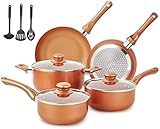
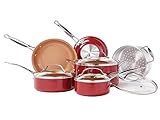
2. Copper-Infused Ceramic Nonstick Cookware: These are budget-friendly, lightweight aluminum pans coated with a copper-colored ceramic nonstick layer. Sets like the 11-piece M MELENTA Pots and Pans Set ($51.99) or the BulbHead Red Copper 10-Piece Set ($99.99) fall into this category. They offer the warm, metallic aesthetic of copper and excellent food release but do not possess the weight, extreme thermal conductivity, or multi-generational lifespan of solid copper metal.
For the purposes of evaluating true performance, we will focus primarily on solid, lined copper cookware, while addressing how budget-friendly, copper-coated alternatives can serve as practical substitutes.
Pros
- Unmatched Thermal Conductivity: Copper heats up almost instantly and cools down just as fast. When you turn the flame down, the temperature of the pan drops immediately, giving you unparalleled control over delicate sauces, chocolates, and custards.
- Perfect Heat Distribution: Because copper conducts heat five times better than iron and twenty times better than stainless steel, hot spots are virtually nonexistent. Your food cooks evenly, whether it is positioned in the center of the pan or up against the side walls.
- Stunning Kitchen Aesthetic: There is no denying the visual appeal of copper. Hanging a set of polished copper pots on a rack instantly elevates the design of any kitchen, lending it a warm, professional, classic French bistro ambiance.
- Excellent Weight for Control: Heavy-gauge copper pans lie perfectly flat on gas grates. At 4 to 6 pounds per pan, they are heavy enough to retain heat when searing meats, yet balanced enough to toss ingredients easily.
- Heirloom Durability: Solid copper pans lined with stainless steel are practically indestructible. Even older tin-lined copper pans can be sent to a professional coppersmith to be “re-tinned,” extending their lifespan for decades.
Cons
- Prohibitive Cost: High-quality copper is a premium luxury. A full set of solid French copper cookware can easily run between $1,200 and $3,000, making it a major financial investment.
- High Maintenance: Copper tarnishes naturally when exposed to air, heat, and moisture. To maintain its mirror-like shine, you must regularly polish it with specialized copper cleaner. Furthermore, copper is strictly hand-wash only; putting it in the dishwasher will ruin the finish.
- Reactivity to Acidic Foods: Bare copper reacts chemically with acidic ingredients like tomatoes, lemon juice, and wine, which can leach a metallic taste into your food. This is why high-end copper must be lined with non-reactive stainless steel or tin.
- Induction Incompatibility: Raw copper is non-magnetic, meaning it will not work on modern induction cooktops. If you have an induction stove, you must purchase specialized copper pans with integrated magnetic steel bases, which are even more expensive.
- Weight and Ergonomics: While the weight assists with heat retention, a 12-inch copper skillet filled with food can easily exceed 8 pounds, making it difficult to lift or pour with one hand for those with wrist strain or joint pain.
Who Should Buy It
You should invest in traditional copper cookware if you are an avid home chef who loves the art of cooking. If you frequently make delicate reduction sauces, temper chocolate, sear proteins to exact temperatures, or bake tarte tatins, copper will genuinely improve your culinary precision. It is also ideal for homeowners who view their kitchen tools as functional decor and do not mind spending 10 minutes hand-polishing their pans after a meal to keep them looking pristine.
Who Should Skip It
You should skip solid copper if you prioritize convenience above all else. If your ideal cooking routine involves throwing pans into the dishwasher or scrubbing them with abrasive steel wool, copper will quickly become a source of frustration. Additionally, if you cook primarily on an induction range, or if you are on a tight budget, solid copper is impractical. For those who love the warm look of copper but want a hassle-free, budget-friendly experience, copper-infused ceramic nonstick sets are a much better fit.
Cheaper Alternatives
If you love the thermal properties or the look of copper but want to avoid the high price tag and intensive maintenance, there are several excellent alternative paths to consider:
| Option | Estimated Cost | Trade-off |
|---|---|---|
| Tri-Ply Stainless Steel | $150 – $400 (Full Set) | Uses an aluminum core clad in stainless steel. Excellent durability and dishwasher safe, but lacks the instant thermal responsiveness of solid copper. |
| Copper-Core Stainless Steel | $300 – $800 (Full Set) | Features a thin copper disc sandwiched between stainless steel layers. Offers great heat distribution and induction compatibility, but you lose the exterior copper aesthetic. |
| Copper-Infused Ceramic Nonstick | $50 – $120 (Full Set) | Lightweight aluminum with a copper-colored nonstick coating (e.g., M MELENTA or BulbHead Red Copper). Very affordable and easy to clean, but lacks the thermal precision and lifetime durability of real copper. |
FAQ
Is copper cookware safe to use for everyday cooking?
Yes, modern copper cookware is perfectly safe because it is lined with a protective barrier of non-reactive food-grade tin or stainless steel. This lining prevents the food from coming into direct contact with the copper, eliminating any risk of copper toxicity. You should only avoid using copper if the lining has worn down to the point where bare copper is exposed over an area larger than a quarter.
Do copper-infused ceramic pans cook the same as solid copper?
No. Copper-infused ceramic pans (typically priced under $100 for a full set) are actually aluminum pans with a copper-colored ceramic coating. While they provide excellent nonstick performance and are incredibly easy to clean, they do not have the rapid heat conductivity or heavy heat retention of a solid 2mm-thick copper pan.
Can I use copper cookware on a glass or induction stovetop?
Solid copper cookware works beautifully on gas and electric glass cooktops, though you must be careful not to drag the heavy metal across glass to prevent scratching. However, standard copper will not work on induction stoves because copper is non-magnetic. To use copper on induction, you must look for hybrid pans that specifically feature an induction-compatible magnetic steel base plate.
How do you clean and prevent copper pans from tarnishing?
To keep copper looking bright, hand-wash your pans with warm water, mild dish soap, and a soft sponge—never put them in the dishwasher. To remove the natural brown patina that develops from heat, apply a commercial copper polish or a homemade paste of lemon juice and baking soda, rub gently in a circular motion, rinse with warm water, and dry immediately with a microfiber cloth.