Key takeaways
- Using chlorine bleach. It breaks down wood fibers, leaves a gray fuzzy surface, and the residue is hard to rinse from an absorbent counter.
- Flooding the surface. A soaking-wet rag pushes water into the joints. Damp is the goal; dripping is damage.
- Skipping the dry step. Air drying lets water sit in end grain for an hour. Towel dry every time.
- Oiling before the wood is dry. Oil traps moisture underneath, which is how mildew starts inside a counter.
- Using vegetable or olive oil. They go rancid within weeks and leave a sticky, sour-smelling film. Only mineral oil or a wax-and-oil conditioner belongs on butcher block.
- Cutting raw meat directly on the island. Even with perfect sanitizing, a separate plastic board that goes in the dishwasher is the safer habit.
Butcher block is one of the few counter surfaces that gets more forgiving with age, but only if you sanitize it correctly. Soak it with a wet rag and it swells, then cracks along the glue lines as it dries. Hit it with chlorine bleach and the wood turns gray and fuzzy within a few months. Skip sanitizing altogether and raw meat juice settles into knife scores where a wipe never reaches. The right routine takes under 10 minutes, uses ingredients most kitchens already have, and keeps a wooden island counter safe to prep on for decades.
What You Need
| Item | Why | Optional? |
|---|---|---|
| Bench scraper or plastic putty knife | Lifts dried food and residue without gouging the wood | No |
| Dish soap and hot water | Removes grease and the bulk of bacteria before sanitizing | No |
| White vinegar, 5 percent (spray bottle) | Food-safe acid sanitizer that will not discolor wood | No |
| Hydrogen peroxide, 3 percent (separate spray bottle) | Second sanitizer that kills what vinegar misses when used in sequence | Yes, but recommended after raw meat |
| Coarse salt (about 1/4 cup) and half a lemon | Gentle abrasive scrub that deodorizes and lifts stains | Yes |
| Clean cotton or microfiber towels (3) | Drying quickly is what prevents warping and mildew | No |
| Food-grade mineral oil or board conditioner (about $8 to $15) | Restores the moisture barrier that sanitizing strips away | No |
| 220-grit sandpaper | Smooths raised grain or deep knife scores during a periodic refresh | Yes |
Step-by-Step
Step 1: Clear and scrape the surface (2 minutes)
Remove everything from the island and use a bench scraper held at a low angle to push off crumbs, dried sauce, and any sticky film. Work with the grain, not across it. On a typical 60 by 25 inch island top this takes a minute or two and matters more than it seems, because sanitizer cannot reach bacteria trapped under a layer of dried food.
As an Amazon Associate we earn from qualifying purchases at no extra cost to you. Product prices and availability are accurate as of the date shown and are subject to change.

Step 2: Wash with hot soapy water (3 minutes)
Wring a cloth in hot water with a squirt of dish soap until it is damp, not dripping, and wipe the entire surface, including the edges and the underside of any overhang where hands rest. Rinse the cloth in plain hot water, wring it hard, and wipe again to remove soap. Immediately dry with a towel. Standing water is the single biggest enemy of a wooden counter, so never let it pool, even for a minute.
Step 3: Spray vinegar and let it dwell (5 minutes)
Mist undiluted 5 percent white vinegar over the whole top until it is evenly damp. Let it sit for 5 minutes; this contact time is what actually sanitizes. Wipe it dry with a clean towel. The vinegar smell fades within 15 minutes and does not transfer to food. Do not mix vinegar and peroxide in the same bottle, since the combination forms an acid that is harsh on both wood and skin.
Step 4: Follow with hydrogen peroxide after raw protein (5 minutes)
If you have handled raw chicken, ground meat, or fish on the surface, spray 3 percent hydrogen peroxide over the area after the vinegar has been wiped off. Let it bubble for 5 minutes, then dry. Using the two products in sequence rather than mixed is what gives the strongest result on porous wood. For everyday vegetable prep, the vinegar step alone is enough.
Step 5: Scrub stains and odors with salt and lemon (5 minutes, as needed)
Sprinkle coarse salt over stained or smelly spots, then rub with the cut side of half a lemon, squeezing gently so the juice mixes with the salt into a paste. Let it sit 5 minutes, scrape off the slurry, wipe with a damp cloth, and dry. This handles garlic, onion, and beet stains that survive normal cleaning.
Step 6: Re-oil the wood (10 minutes plus overnight soak)
Once the surface is completely dry, which takes 20 to 30 minutes after sanitizing, pour about 2 tablespoons of food-grade mineral oil per square foot onto the top and spread it with a clean cloth in the direction of the grain. A 60 by 25 inch top needs roughly 1 cup. Let it soak in overnight, then wipe off any excess in the morning. Oil is what keeps liquids and bacteria on the surface where sanitizer can reach them instead of in the wood.
Mistakes to Avoid
- Using chlorine bleach. It breaks down wood fibers, leaves a gray fuzzy surface, and the residue is hard to rinse from an absorbent counter.
- Flooding the surface. A soaking-wet rag pushes water into the joints. Damp is the goal; dripping is damage.
- Skipping the dry step. Air drying lets water sit in end grain for an hour. Towel dry every time.
- Oiling before the wood is dry. Oil traps moisture underneath, which is how mildew starts inside a counter.
- Using vegetable or olive oil. They go rancid within weeks and leave a sticky, sour-smelling film. Only mineral oil or a wax-and-oil conditioner belongs on butcher block.
- Cutting raw meat directly on the island. Even with perfect sanitizing, a separate plastic board that goes in the dishwasher is the safer habit.
How Often
Wipe with hot soapy water and dry after every prep session, which is a two-minute job. Run the vinegar spray daily if the island is your main work surface, or two to three times a week if it sees light use. Use peroxide every time raw protein touches the wood. Do the salt and lemon scrub monthly or whenever you notice odor. Oil a new or freshly sanded top once a week for the first month, then monthly; if a drop of water no longer beads on the surface, it is due. A once-a-year light sanding with 220-grit followed by a heavy oiling keeps the surface smooth enough that sanitizer works as intended.
When to Call a Pro or Replace
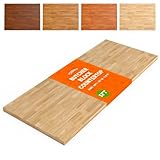
A butcher block that has gone black in patches, smells sour after cleaning, or shows soft, spongy spots has mildew or rot below the surface. A cabinet shop or countertop fabricator can sand a solid 1.5-inch-thick top down by 1/8 to 1/4 inch and refinish it for roughly $150 to $400 depending on size, which resets the surface completely. Replace instead when cracks run all the way through, when glue joints have separated more than about 1/16 inch, or when the top has already been sanded so many times that it is under 1 inch thick. Replacement is not as costly as most people expect. An unfinished solid birch butcher block slab measuring 60 by 25 by 1.5 inches, sized for a standard five-foot island, sells for about $155.99 from sellers such as Cidase, and installing it yourself takes an afternoon with a drill and a few L-brackets. Budget another $15 to $30 for the first few coats of mineral oil, and in 2026 a full island top swap still comes in under $200.
FAQ
Is vinegar strong enough to sanitize wood after raw chicken?
Vinegar alone reduces bacteria substantially but is not the strongest option. Following it with 3 percent hydrogen peroxide, each with a 5-minute dwell, is the household method that gives the most reliable result on porous wood. For heavy raw-meat work, use a separate dishwasher-safe board.
Can I use a disinfecting wipe on butcher block?
Most wipes contain quaternary ammonium compounds that leave a residue meant for hard nonporous surfaces. On wood the residue soaks in and is not food safe. Stick to vinegar and peroxide.
How do I know when the counter needs oil?
Flick a few drops of water onto the surface. If they bead and sit, the finish is intact. If they soak in and darken the wood within a minute, oil that night.
Does an unfinished slab need anything before first use?
Yes. Sand lightly with 220-grit, wipe off dust, and apply mineral oil daily for a week until the wood stops absorbing it. Only then should food touch it.