Key takeaways
- Small apartment or rental (under 10×10 ft dining area): Choose a 4-person round glass or light wood set with 30–42 inch diameter, or a 48-inch rectangular drop-leaf that folds to 30 inches. Metal or solid wood bases with chairs that tuck fully under save 10–12 inches per side.
- Family with kids and pets: Choose solid hardwood or powder-coated metal with a wood or laminate top. Avoid bare glass tops and light linen upholstery. Aim for chairs with removable, washable covers or wipeable faux leather and 250+ lbs capacity. Rounded table edges prevent bumps.
- Renters who move often: Choose metal frame or solid wood with bolt-together assembly rather than glued MDF. These survive disassembly and reassembly without stripped holes. Avoid large one-piece engineered wood tables.
- Frequent entertainers (6–8 people): Choose a 72–96 inch rectangular solid wood or metal-base table with an 18–24 inch extension leaf. This gives you 28–30 inches per person when extended and fits a 12×14 ft room with clearance.
- Back pain or long sitting times: Choose chairs with 17–19 inch seat height, lumbar support, seat depth 16–18 inches, and medium-firm foam at 1.8+ density. Avoid low backless metal stools or overly soft cushions that sink.
- Want minimal cleaning: Choose metal or solid wood with a sealed laminate top and non-upholstered chairs. These need only a damp cloth. If you love upholstered looks, pick performance polyester that is rated for 30,000+ double rubs.
What's inside
The best table and chairs set for most homes is solid wood if you want long-term durability and repairability, metal if you need maximum strength and low maintenance on a budget, and glass if you want a visually lighter look and easy wipe-down but can accept more frequent cleaning and careful handling.
As an Amazon Associate we earn from qualifying purchases at no extra cost to you.


Wood vs. Metal vs. Glass: Head-to-Head on Durability and Maintenance
Choosing a table and chairs set comes down to how the materials handle daily use, moisture, heat, and wear. Each has a clear strength and a clear weakness.
Solid Wood and Wood-Based Sets
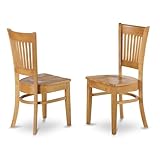
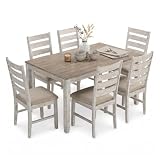
Solid wood (oak, ash, walnut, rubberwood) is the most repairable option. Scratches can be sanded and refinished, joints can be re-glued, and a well-built solid wood table can last 15+ years. Its weakness is moisture and heat. Unsealed or thinly sealed wood will show rings from mugs, warp in humid conditions, and dent more easily than metal if it is a softer species like pine.
Engineered wood (MDF or particleboard with wood veneer or laminate) looks like solid wood for less money, usually $250–$600 for a 4-person set, but it does not handle water or heavy load the same way. Once the core swells from moisture or screws strip out, it cannot be repaired like solid wood. Veneer also chips at edges over time.
Metal Sets
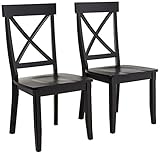
Powder-coated steel or iron is the most resistant to daily impact, weight, and heat. Welded metal frames rarely loosen and typically support 250–300 lbs per chair. Maintenance is minimal: wipe with a damp cloth and mild soap. The trade-offs are comfort and finish. Metal chairs without upholstery can feel hard and cold, and bare metal can scratch floors if glides are missing. Low-quality welds or thin tubular steel can flex and creak. In coastal or very humid homes, chips in the powder coating can lead to rust if not touched up.
Glass Sets
Tempered glass tops (usually 8–10mm thick) are heat and stain resistant and do not absorb odors, which makes them easy to clean. They make small rooms feel larger because light passes through. Durability concerns are different: glass shows fingerprints, dust, and smudges immediately and requires daily wiping. While tempered glass is strong against impact on its face, it can shatter if struck hard on the edge or corner, and it cannot be refinished if scratched. Most glass dining tables pair a glass top with a metal or wood base, so check the base construction first.
Material and Construction Trade-Off Table
| Material / Construction | Typical Lifespan With Normal Use | Weight Limit Per Chair | Maintenance | What Wears or Fails First |
|---|---|---|---|---|
| Solid Hardwood (oak, ash, walnut) | 12–20+ years | 250–300 lbs | Dust, use coasters/trivets, polish or oil 1–2x per year | Surface scratches, finish dulling, loose joints after years |
| Solid Softwood (pine, rubberwood) | 8–15 years | 220–250 lbs | Same as hardwood, needs more frequent touch-ups | Dents and dings, screws loosening in softer wood |
| Engineered Wood (MDF/particleboard + veneer/laminate) | 3–7 years | 200–250 lbs | Wipe only, avoid soaking, no harsh abrasives | Edge chipping, swelling from moisture, stripped screw holes |
| Powder-Coated Metal (steel/iron) | 10–20 years | 250–300 lbs | Wipe clean, check glides, touch up chips | Scratched coating, wobbly joints if welded poorly |
| Tempered Glass Top + Metal/Wood Base | 8–15 years (glass itself long, base varies) | 220–280 lbs (depends on base/chairs) | Daily glass cleaner, avoid edge impacts | Visible fingerprints, edge chip leading to shatter, loose suction cups/clips |
| Upholstered Chairs (fabric or faux leather) | 5–10 years (fabric dependent) | 220–275 lbs | Vacuum weekly, spot clean, treat spills quickly | Fabric pilling/staining, foam sagging (if low density), seam splitting |
Size Guide: How to Fit a 2 to 8 Person Table and Chairs Set
Standard dining height is 28–30 inches for the table with a seat height of 17–19 inches, leaving 10–12 inches of clearance between seat and tabletop for legs. Counter-height sets are 34–36 inches tall with 24–26 inch seat height. Bar-height sets are 40–42 inches tall with 28–30 inch seat height. Most people find standard height the most comfortable for long meals.
For comfortable use, allow 36 inches of clearance from the table edge to the wall or other furniture so chairs can pull out and someone can walk behind. In tight layouts, 30 inches is the absolute minimum, but it will feel cramped. Each seated person needs 24 inches of table width minimum, 28–30 inches is more comfortable and prevents elbows from bumping.
| Seating Capacity | Common Table Shapes and Sizes | Minimum Room Size Needed (with 36″ clearance) | Best For |
|---|---|---|---|
| 2 persons | Square 30″ x 30″ or Round 30″–36″ diameter | 7 x 7 ft (84″ x 84″) | Studio, small apartment, breakfast nook |
| 4 persons | Rectangular 48″ x 30″ or Round 42″–48″ diameter | 10 x 8 ft (120″ x 96″) | Most apartments and small dining rooms |
| 4–6 persons | Rectangular 60″ x 36″ or Round 54″–60″ diameter | 11 x 9 ft (132″ x 108″) | Compact family dining, extends with leaf |
| 6 persons | Rectangular 72″ x 36″–40″ | 12 x 10 ft (144″ x 120″) | Standard dining room; a 10×12 ft room fits this size if nothing else blocks the path |
| 6–8 persons | Rectangular 84″ x 40″ or 60″ round with extension | 14 x 10 ft (168″ x 120″) | Large dining room, open-plan homes |
| 8 persons | Rectangular 96″ x 40″–44″ | 15 x 11 ft (180″ x 132″) | Dedicated dining room with sideboard space |
To test fit before you buy, tape the table dimensions on the floor and place chairs around it. Pull each chair out 20–24 inches as if someone is sitting down, then measure the remaining walkway. If you have less than 30 inches behind a chair in its pulled-out position, choose a smaller table, a round shape, or benches that tuck under.
Rectangular tables seat the most people per square foot. Round tables improve flow in tight or square rooms but need more diameter as you add guests — a 48-inch round seats 4 comfortably, while 60 inches is needed for 6. Extendable or drop-leaf tables are the most practical way to seat 2 daily and 6 when needed without permanently dedicating floor space.
Durability and Maintenance in Real Life
Fabric and foam determine how quickly chairs feel worn. For daily dining, look for performance fabric (polyester blend, microfiber, or treated cotton) and foam density of 1.8 lbs per cubic foot or higher for seat cushions. Lower-density foam compresses and sags within 1–2 years. Faux leather wipes clean easily but can peel after 3–5 years in sun or heat; top-grain leather lasts longer but usually costs $700–$1,500+ for a set and needs conditioning.
Joint construction matters more than the wood species alone. Mortise-and-tenon or dowel joints with corner blocks outlast simple butt joints held by staples or short screws. On metal sets, fully welded joints outlast bolt-only assembly. For glass, check that the top is clearly listed as tempered and sits on suction cups or a recessed frame, not just loose clips.
Sunlight and humidity age finishes faster than normal use. Place wood sets away from direct afternoon sun to prevent fading and drying, and keep indoor humidity around 40–55% to reduce cracking. For homes with kids and pets, matte or satin finishes, distressed or wire-brushed wood, and dark powder-coated metal hide micro-scratches better than high-gloss lacquer or clear glass.
Which Table and Chairs Set Fits Your Situation
- Small apartment or rental (under 10×10 ft dining area): Choose a 4-person round glass or light wood set with 30–42 inch diameter, or a 48-inch rectangular drop-leaf that folds to 30 inches. Metal or solid wood bases with chairs that tuck fully under save 10–12 inches per side.
- Family with kids and pets: Choose solid hardwood or powder-coated metal with a wood or laminate top. Avoid bare glass tops and light linen upholstery. Aim for chairs with removable, washable covers or wipeable faux leather and 250+ lbs capacity. Rounded table edges prevent bumps.
- Renters who move often: Choose metal frame or solid wood with bolt-together assembly rather than glued MDF. These survive disassembly and reassembly without stripped holes. Avoid large one-piece engineered wood tables.
- Frequent entertainers (6–8 people): Choose a 72–96 inch rectangular solid wood or metal-base table with an 18–24 inch extension leaf. This gives you 28–30 inches per person when extended and fits a 12×14 ft room with clearance.
- Back pain or long sitting times: Choose chairs with 17–19 inch seat height, lumbar support, seat depth 16–18 inches, and medium-firm foam at 1.8+ density. Avoid low backless metal stools or overly soft cushions that sink.
- Want minimal cleaning: Choose metal or solid wood with a sealed laminate top and non-upholstered chairs. These need only a damp cloth. If you love upholstered looks, pick performance polyester that is rated for 30,000+ double rubs.
Assembly, Moving, and What Actually Wears First
Flat-packed table and chairs sets are common and usually ship in 2–3 boxes. A 6-person solid wood set can total 150–220 lbs across boxes, with the tabletop box alone weighing 70–110 lbs. Metal sets are often lighter per box but have more parts. Glass tops ship separately and are heavy for their size — a 48-inch tempered top can weigh 50–70 lbs.
Before ordering, measure your doorway (standard interior is 30–32 inches wide, exterior 36 inches), hallway turns, and elevator depth. Many 72-inch+ tabletops will not turn through a narrow apartment hallway fully assembled. Check whether the table legs are removable for delivery.
Assembly time is usually 45–90 minutes for a table and 15–25 minutes per chair. You will need a Phillips screwdriver and included Allen keys; a second person helps align glass tops safely. What wears first is rarely the top itself: chair glides wear down and scratch floors, fabric on seat edges abrades, screws loosen after 6–12 months and need retightening, and swivel or weld points on cheap metal chairs develop wobble.
To extend life, add felt pads to all chair feet, retighten bolts seasonally, lift rather than drag chairs, and use placemats rather than a single tablecloth that traps grit underneath. For solid wood, apply furniture wax or oil per the finish instructions once or twice a year. For glass, use a non-ammonia cleaner to avoid clouding any tint or coating.
Quick Buyer Checklist Before You Order
- Confirm table height (28–30 inches standard) and chair seat height (17–19 inches) are compatible.
- Verify clearance: 36 inches behind chairs in use, 24–30 inches per person at the table.
- Check chair weight capacity and base construction (solid wood joinery vs. MDF cam locks vs. welded metal).
- For upholstered chairs, check fabric cleanability and foam density (1.8+ for durability).
- For glass, confirm tempered glass, thickness (8mm minimum, 10mm preferred), and how the top attaches.
- Measure doorways, stairwells, and elevator to ensure boxes and assembled pieces fit.