Key takeaways
- Compare wood counter stool materials, finish codes and sample appearance. Record matching expectations before ordering or adding another stool.
What's inside
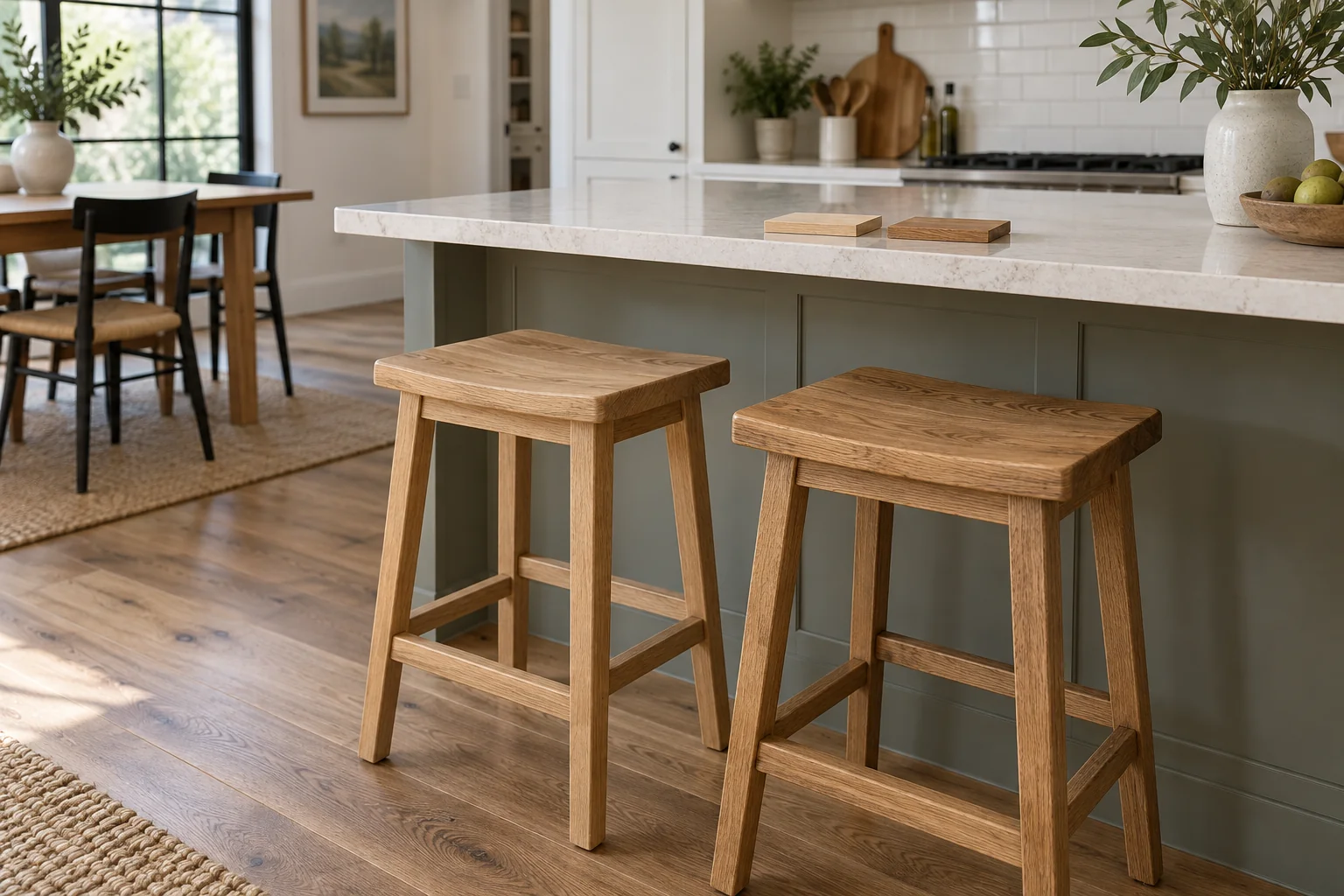
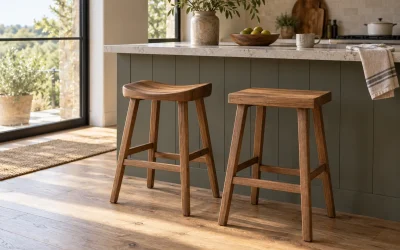
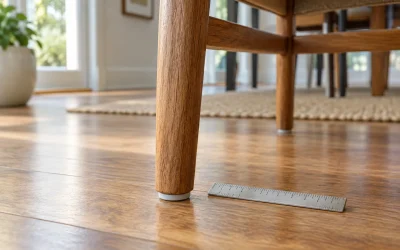
Wood counter stools can share a finish name without having identical grain or color on every component. Compare the exact material and finish code, view a physical sample when available and ask what variation the maker describes for the actual order. An online photograph is useful context, but it is not a color standard.
The aim is to establish an acceptable appearance before ordering a set. This is different from deciding seat height, construction strength or whether a stool fits below the island. Keep those practical fit checks separate from the wood comparison.
Separate wood, stain and protective finish
A listing may name a wood species, a color such as walnut and a finish such as lacquer. These can describe different things. “Walnut color” does not necessarily identify walnut wood, and a protective coating is not the same field as a stain color. Copy the supplier’s wording rather than simplifying all three into “brown wood.”
Room & Board’s wood guide distinguishes natural and stained woods, describes variation in solid wood and explains that natural wood can change color over time. This is a useful example of material information to request; it does not predict the exact appearance of stools from another maker.
Identify every visible component
Check whether the seat, legs, back and stretchers use the same stated material. A product can combine components, and a single overall description may not answer every question. Ask the seller to identify any component whose appearance matters particularly in your kitchen.
For a stool with an upholstered seat, the wood may occupy less visual area but still sit directly beside an island panel. Look at the exposed back and legs from the normal room entrance, not only at a close-up photograph of the seat. Choose the comparison view that reflects how the set will actually be seen.
| Question | Record | Follow-up |
|---|---|---|
| Which material? | Species or specified material by component | Is the color name also a material claim? |
| Which finish? | Exact finish name and code | Has that option changed? |
| Which sample? | Source, date and identified finish | What does it represent? |
| Which variation? | Maker’s description of grain and color range | Can actual stock be viewed? |
| Which set? | Quantity and whether pieces are ordered together | What matching arrangement is offered? |
| Which expectation? | Coordinated appearance or very close adjacency | What can the seller confirm in writing? |
Compare samples under ordinary room lighting
Place an identified sample near the island and floor without applying adhesive or other material to the furniture. View it in daylight and under the lamps you normally use. Record a plain observation such as “looks more golden beside the floor in the evening.” That describes your room experience without claiming a measured color difference.
Keep samples in the same light when comparing them. A sample in a bright window and a stool photograph on a dim screen are not equivalent references. Turn the sample only to understand how its surface looks from different viewing angles, and record the orientation when taking photographs.
A small sample may not represent every grain pattern visible across a complete stool. Ask whether the maker provides a range of representative images or a statement about expected variation. Do not assume that the least varied display sample is a promise about every delivered component.
Example: adding a third stool later
Consider a fictional household that owns two stools in finish O17 and wants a third. The retailer still uses the same color name, but the buyer first confirms the finish code and current material description. The existing stools also have a history of room light and use that a new sample does not share.
The seller confirms the current option but cannot guarantee an exact match to older pieces. The buyer then decides whether a coordinated set is acceptable or whether the difference would be too noticeable at the island. Neither the code nor the photograph alone resolves that preference.
If exact matching is essential, record that requirement before paying and ask what the seller can realistically supply. Do not assume that buying three pieces on one invoice automatically gives identical grain. A matching arrangement needs an explicit explanation.
Record a concern before changing the finish
When the stools arrive, compare their labels and ordered finish with the paperwork. Photograph the set together under consistent light and include an overall view as well as the area that concerns you. Describe the difference without immediately labeling it a defect or normal variation.
Send that record through the seller’s current reporting process. Do not stain, oil, sand or deliberately expose one stool to sunlight to force a match while the question is unresolved. Altering the surface changes the condition the seller needs to assess.
Save an appearance decision alongside the order
Keep the sample identification, finish code, maker’s variation description and seller response with the receipt. If a future replacement is needed, this record is more useful than remembering that the stools were “light oak.” It also separates what was promised from what you simply preferred in a showroom.
A successful comparison ends with a clear material identity and a realistic matching expectation. It should help you choose a set you like without turning one attractive photograph into a guarantee of identical natural grain.