Key takeaways
- Incredible Time Savings: Speed ovens can reduce cooking times by 50% to 75%. A whole roasted chicken that takes 75 minutes in a traditional oven can be cooked to crispy perfection in about 25 minutes. A baked potato is ready in 12 minutes instead of an hour.
- No Preheat Times: Because the interior cavity is small (usually around 1.6 cubic feet) and the heating elements are highly concentrated, speed ovens require little to no preheating, saving you an extra 15 to 20 minutes before you even begin cooking.
- Space Efficiency: By combining a microwave, a toaster oven, and a second convection oven into a single built-in unit, you reclaim valuable countertop and cabinet space. As kitchen designs trend toward minimalism in 2026, maximizing vertical wall space has become a top priority for designers.
- Superior Food Quality: Unlike a microwave, which heats water molecules and can leave food soggy, a speed oven uses dry radiant heat and convection airflow to ensure pastries rise, cheese melts and browns, and meats develop a caramelized crust.
What's inside
The Short Answer
Yes, a speed oven is worth the extra cost, but only if you are remodeling your kitchen, have limited wall space, and want to combine a high-end convection oven and a microwave into a single, high-performance footprint. If you already have a spacious kitchen with a double wall oven and a dedicated pantry to hide a standard countertop microwave, spending $1,800 to $4,500 on a speed oven is an unnecessary luxury that you likely will not utilize to its full potential.
What You Actually Get
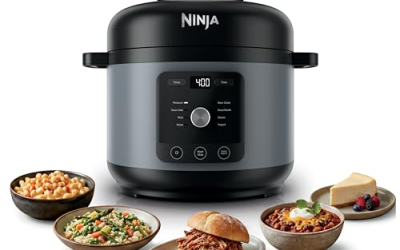
To understand if a speed oven is worth the investment, you must first understand that it is not simply a glorified microwave. A true speed oven is a commercial-grade hybrid appliance that combines three distinct heating methods: intense broiler heat from ceramic or halogen elements, circulating hot air from a convection fan, and targeted radio frequency energy from a microwave magnetron.
As an Amazon Associate we earn from qualifying purchases at no extra cost to you. Product prices and availability are accurate as of the date shown and are subject to change.


When you use a speed cooking program, the appliance engages all three systems simultaneously. For example, while the microwave energy cooks the interior of a chicken, the convection fan circulates heat to keep it juicy, and the broiler element browns and crisps the skin. This multi-pronged approach allows you to bake, roast, and broil up to four times faster than a conventional thermal oven without ending up with the rubbery, soggy texture associated with microwave cooking.
Physically, these units are compact. While a standard wall oven is typically 30 inches wide with an interior capacity of 4.5 to 5.1 cubic feet, a speed oven is usually 24 inches wide (though trim kits can expand them to 30 inches to match other appliances) and offers an interior capacity of 1.2 to 1.7 cubic feet. They weigh between 80 and 110 pounds, meaning they require sturdy cabinet bracing and professional installation.
Crucially, you must pay attention to the voltage. True speed ovens require a dedicated 240-volt, 30-amp electrical circuit to run the microwave and heating elements at the same time. While some manufacturers offer 120-volt models, these are essentially standard convection microwaves that must alternate between functions rather than running them simultaneously, which defeats the purpose of rapid speed cooking.
Pros
- Incredible Time Savings: Speed ovens can reduce cooking times by 50% to 75%. A whole roasted chicken that takes 75 minutes in a traditional oven can be cooked to crispy perfection in about 25 minutes. A baked potato is ready in 12 minutes instead of an hour.
- No Preheat Times: Because the interior cavity is small (usually around 1.6 cubic feet) and the heating elements are highly concentrated, speed ovens require little to no preheating, saving you an extra 15 to 20 minutes before you even begin cooking.
- Space Efficiency: By combining a microwave, a toaster oven, and a second convection oven into a single built-in unit, you reclaim valuable countertop and cabinet space. As kitchen designs trend toward minimalism in 2026, maximizing vertical wall space has become a top priority for designers.
- Superior Food Quality: Unlike a microwave, which heats water molecules and can leave food soggy, a speed oven uses dry radiant heat and convection airflow to ensure pastries rise, cheese melts and browns, and meats develop a caramelized crust.
Cons
- High Upfront Cost: Price is the primary barrier to entry. While a standard built-in microwave costs $300 to $800, a high-quality 240V speed oven from premium brands like Bosch, Miele, Monogram, or JennAir will cost between $1,800 and $4,500, plus the cost of running a dedicated 240-volt electrical line.
- Size and Capacity Limits: You cannot cook a 20-pound Thanksgiving turkey or fit multiple cookie sheets in a speed oven. The interior rack space is typically limited to a single 9×13-inch baking dish (without large handles). If you cook for large crowds, it cannot replace your primary oven.
- Steep Learning Curve: You cannot simply put food in and press “start.” To get the best results, you must learn how to adjust microwave percentages, convection temperatures, and broiler levels, or rely heavily on the machine’s pre-programmed menus, which requires scrolling through digital screens.
- Tougher Cleaning Process: Because speed ovens roast and broil at high temperatures, grease splatters onto the interior walls. Unlike standard ovens, many speed ovens do not feature high-heat pyrolytic self-cleaning cycles because the microwave components cannot withstand the extreme 900-degree Fahrenheit temperatures required to burn off grease. You must wipe them down manually after every messy cook.
Who Should Buy It
You should invest in a speed oven if you are a busy professional or have a family with packed evening schedules. The ability to cook a fresh, wholesome dinner in 15 to 20 minutes rather than ordering takeout is a lifestyle game-changer. It is also an exceptional choice for empty nesters who rarely need to heat up a massive 30-inch oven for two portions of food, and for urban apartment dwellers who must squeeze maximum functionality out of a small kitchen footprint.
Who Should Skip It
You should skip the speed oven if you are a traditional baker who relies on precise, gentle, single-source heating for delicate soufflés, large batches of cookies, or multiple loaves of bread. You should also skip it if you are on a tight renovation budget. If you only use your microwave to heat up coffee, melt butter, and pop popcorn, paying a premium for speed-oven technology is a waste of money; a basic $150 countertop microwave will serve you just fine.
Cheaper Alternatives
If you love the idea of fast, versatile cooking but cannot justify the multi-thousand-dollar price tag of a built-in speed oven, there are several alternative appliance configurations to consider:
| Option | Estimated Cost | Trade-off |
|---|---|---|
| Premium Countertop Air Fryer/Toaster Oven | $250 – $450 | Occupies valuable countertop space; lacks microwave capabilities, meaning you still need a second appliance. |
| Over-the-Range Convection Microwave (120V) | $500 – $900 | Cannot run microwave and convection modes simultaneously; significantly slower cooking speeds than a 240V speed oven. |
| Standard Range with Built-in Air Fry Mode | $1,000 – $1,800 | Offers fast, crispy cooking for large batches, but requires traditional preheating times and lacks microwave convenience. |
FAQ
Can you use metal pans in a speed oven?
Yes, but only in specific modes. When the speed oven is operating in pure convection, bake, or broil modes, you can use standard metal baking pans, aluminum foil, and cast iron. However, when using any hybrid “speed cook” program that utilizes microwave energy, you must use microwave-safe glass, ceramic, or specialized metal trays provided by the manufacturer to prevent electrical arcing.
What is the lifespan of a built-in speed oven?
A high-quality built-in speed oven from a reputable manufacturer typically lasts between 10 and 15 years with proper maintenance. Because they are built to the standards of wall ovens rather than cheap countertop microwaves, their internal components, hinges, and digital control boards are designed for long-term durability.
Do I need a separate microwave if I buy a speed oven?
No. A speed oven can operate as a standard, fully functional microwave. It features quick-start buttons, defrost cycles, and standard microwave power levels. Buying a speed oven allows you to completely eliminate your standalone microwave, freeing up counter space or cabinet room.
Are speed ovens difficult to install?
Yes, they require professional installation. Because they are built into cabinetry, they require precise cutouts with adequate ventilation space to dissipate heat. Furthermore, because true speed ovens require a dedicated 240-volt electrical connection, you will need a licensed electrician to run a new line from your home’s breaker panel if you are replacing a standard 120-volt microwave.