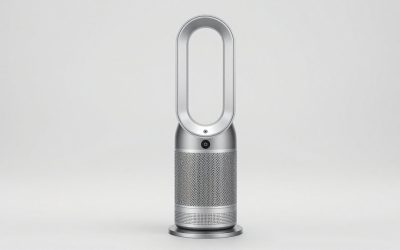
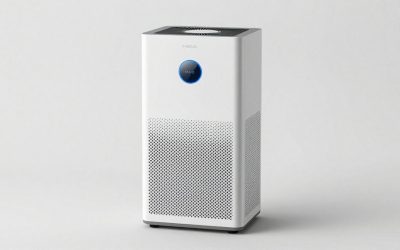
Our Top Picks
Friedrich earns a spot in dehumidifier shopping for a narrow reason: two of its four listings here come with a built-in 15-foot drain pump, which is the feature that decides whether a basement unit is a set-and-forget appliance or a daily chore. The 35 pint model with the pump is the easiest of the four to recommend, because its title states a capacity and a pump in the same line. The D50B1A is the other pumped model, a bucket-style unit is the lowest-priced listing, and the fourth item is actually a portable air conditioner.
That mix is the interesting part. The four listings are not interchangeable, and one of them solves a different problem entirely. This guide reads each title closely, flags what it does not say, and adds the worked math (hose lift, sizing, running cost) that a spec line never gives you.
The four Friedrich listings side by side

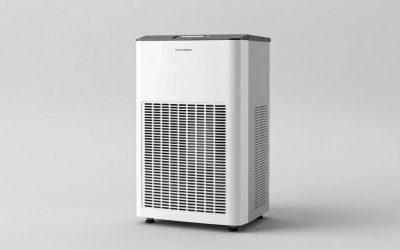
Friedrich 35 Pint Dehumidifier with 15' Drain Pump | 15' Drain Pump


As an Amazon Associate we earn from qualifying purchases. Product prices and availability are accurate as of the date/time indicated.

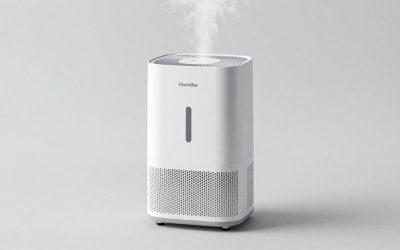
Friedrich D50B1A Dehumidifier 15-Feet | Drain Pump


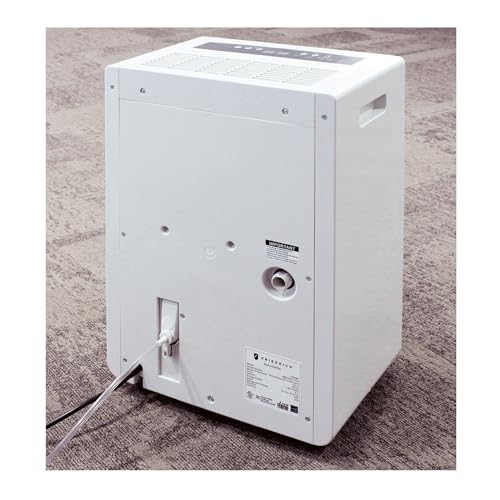

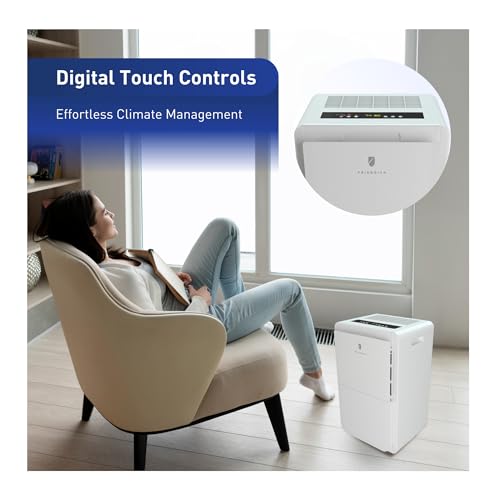


As an Amazon Associate we earn from qualifying purchases. Product prices and availability are accurate as of the date/time indicated.

Dehumidifier,115V,5.2A,Bucket 16.2 pt.

As an Amazon Associate we earn from qualifying purchases. Product prices and availability are accurate as of the date/time indicated.

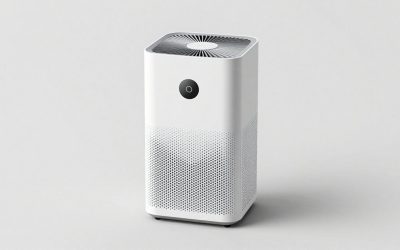
Friedrich ZCP12SB ZoneAire 12,000 BTU Portable AC


As an Amazon Associate we earn from qualifying purchases. Product prices and availability are accurate as of the date/time indicated.
| Model (as listed) | What the title states | Price tier | Best for |
|---|---|---|---|
| Friedrich 35 Pint Dehumidifier with 15′ Drain Pump | 35 pint rating, 15′ drain pump | Mid-range | Bedrooms, offices and moderately damp rooms where emptying a tank is a nuisance |
| Friedrich D50B1A Dehumidifier 15-Feet | Drain Pump | Model D50B1A, 15-foot hose, drain pump | Mid-range | Buyers who confirm a larger capacity on the listing and want continuous drainage |
| Dehumidifier, 115V, 5.2A, Bucket 16.2 pt. | 115V, 5.2A, bucket (tank) of 16.2 pt. | Budget | Spaces near a sink or floor drain where hand-emptying a bucket is acceptable |
| Friedrich ZCP12SB ZoneAire 12,000 BTU Portable AC | 12,000 BTU portable air conditioner | Premium | Hot, stuffy rooms where cooling is the main job and moisture removal is a bonus |
Price tiers are relative to these four listings only: Budget is the lowest-priced, Mid-range the middle two, Premium the highest. Nothing here says one tier is good value; it only tells you where a model sits in this group. Capacity and feature statements come from the listing titles, and anything the title leaves out is marked “check the listing.”
The four models, one at a time
Each block below sticks to what the title says, adds clearly labeled estimates where a number helps, and lists real drawbacks. Where a title is thin, the honest answer is that the buyer has to open the listing and read further.
Friedrich 35 Pint Dehumidifier with 15′ Drain Pump
This is the only listing in the group that gives you a pint rating and a pump in a single title: 35 pints and a 15-foot drain pump (the pump is mentioned twice in the title, which looks like a listing quirk rather than two pumps). It sits in the Mid-range tier of this set.
A 35 pint class machine is a sensible size for a bedroom, a home office or a laundry nook, and as a rough rule-of-thumb estimate it covers about 1,000 to 1,500 square feet of moderately damp space. That is an estimate, not a claim from the listing. A cold, wet basement with block walls can overwhelm it, and a unit that never reaches its target runs without pause.
The pump is the reason to look here. A full tank is heavy: 35 pints of daily output means a few pints per hour while the compressor runs, and a small tank can fill and shut the unit off while you are at work. With the hose run to a sink, tub or floor drain, that failure mode goes away. The 15 feet describes the hose; the maximum vertical lift is a different spec, and the title does not state it.
Electrical data is also absent from the title. As an estimate, units in this size class commonly draw somewhere in the 300 to 450 W range while the compressor runs, but check the listing for the nameplate amps before you size a circuit or a power strip.
Pros
- Title states both capacity (35 pints) and a 15-foot drain pump, so it is easy to compare.
- Continuous drainage removes the shut-off-when-full problem.
- Right-sized for bedrooms, offices and moderately damp rooms.
Cons
- 35 pints can be short of capacity for a wet or leaky basement.
- Maximum pump lift, noise level, tank size and Energy Star status are not in the title.
- A pump is one more part that can clog with lint or sediment and needs an occasional look.
Who it’s for: a household that wants a mid-size unit it can forget about, with a sink or drain within about 15 feet of where it will sit.
Friedrich D50B1A Dehumidifier 15-Feet | Drain Pump
The title gives a model number, a 15-foot figure and the words “Drain Pump.” It does not give a pint rating. The “50” in D50B1A may hint at a 50 pint class, but that is a guess from the model code, and the listing needs to confirm it. This is the second Mid-range item in the set, priced above the 35 pint model.
If the listing does confirm a 50 pint rating, this is the model that suits larger basements and wet-weather problems. As a labeled estimate, a 50 pint compressor unit commonly covers around 2,000 to 3,000 square feet of moderately to very damp space, and typically draws in the neighborhood of 500 to 700 W when the compressor is on.
The pump again matters more than it seems. Larger units fill a tank quickly at warm, humid conditions: a tank of around a gallon, which is 8 pints, can fill in roughly an hour or two at a high removal rate. With the pump handling it, a basement unit can run unattended through a week of damp weather. Compare that with a bucket-only model, where an unattended unit stops every time the float switch trips.
Before purchase, read three lines on the listing: the pint rating and the conditions it was rated at, the maximum vertical lift of the pump, and whether the hose connects with a standard fitting you can replace. The first tells you if the capacity matches the title’s implied class, the second whether your drain is reachable, and the third whether a failed hose is a five-minute fix.
Pros
- Drain pump and a 15-foot hose are both named in the title.
- Model code suggests a larger class than the 35 pint unit, which would suit bigger spaces if confirmed.
- Continuous drainage suits unattended basement use.
Cons
- The title states no pint rating, tank size, noise figure or Energy Star status.
- Priced above the 35 pint pumped model, so the extra capacity has to be real to justify it.
- Larger compressors draw more power and add more heat to the room.
Who it’s for: a buyer with a large or consistently damp basement who will confirm the capacity on the listing and wants the water to leave on its own.
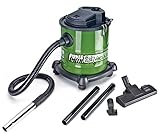
Dehumidifier, 115V, 5.2A, Bucket 16.2 pt.
This listing has no brand in its title, though the product data attributes it to Friedrich, so confirm the brand on the product page. It is the lowest-priced item here, which puts it in the Budget tier of this set, and it is the only title that gives electrical data.
The numbers do some work. 115 V times 5.2 A is about 600 VA, which is the nameplate ceiling. Real running power is typically below that, so 500 to 575 W while the compressor runs is a reasonable estimate. Energy use is therefore moderate for the class, and a standard 15 A household circuit has plenty of room, provided it is not shared with a space heater or a microwave.
The phrase “Bucket 16.2 pt.” most plausibly describes the tank, not a daily removal rating. A 16.2 pint bucket is about two gallons. The title does not state pints removed per day, so do not assume it from the bucket size; open the listing and find the rated capacity and the rating conditions.
A bucket-only design is the simplest of the group, with no pump to clog. It trades that simplicity for emptying duty. At a hypothetical removal of 3 pints an hour in damp weather, a 16.2 pint bucket fills in about five hours, so a single daily emptying is workable in a house but a nuisance in a second-story-to-basement trek. If you plan to use a gravity hose, check whether the unit has a hose outlet at all.
Pros
- Lowest-priced listing in this Friedrich set.
- Title gives clear electrical data (115V, 5.2A) for planning circuits and cost.
- No pump, so fewer moving parts to maintain.
Cons
- No daily pint rating in the title; “16.2 pt.” appears to be the bucket.
- Emptying by hand, and the unit stops when the bucket is full.
- Title omits the brand name, noise level and drain-hose option.
Who it’s for: a cost-conscious buyer with a damp room near a sink or floor drain who does not mind emptying a bucket and will confirm capacity before ordering.
Friedrich ZCP12SB ZoneAire 12,000 BTU Portable AC
This one deserves its own warning: it is a portable air conditioner, not a dehumidifier, and it is the Premium-tier listing in this set. The title says nothing about moisture removal, a humidistat or a pint rating.
Air conditioners do pull water out of the air, because the same cold coil that cools the air also condenses vapor. Some portable units even have a dry mode. But a cooling machine and a dehumidifier have different jobs. The AC tries to hit a temperature, and the water it collects is a side effect. A dehumidifier tries to hit a humidity target and treats heat as the side effect. In a room that is hot and clammy, the AC may do both well enough. In a cool, damp basement, where the room is already cold, cooling is exactly what you do not want.
BTU figures on portable ACs can be quoted under different rating conventions, so the 12,000 BTU in the title may translate to a smaller effective cooling figure. Check the listing for the rating basis, for whether the unit needs a window kit and exhaust hose, and for how condensate is handled. Many portable units evaporate most of their condensate and exhaust it through the hose, but that depends on the model.
Power draw for a 12,000 BTU class portable unit is typically well above a mid-size dehumidifier; as an estimate, expect on the order of 1,000 to 1,400 W while cooling. Not in the title, so confirm.
Pros
- Cools a room, which no dehumidifier in this set does.
- Removes some moisture while cooling, which can help in a hot, damp room.
- Portable; can move between rooms with a window or vent connection.
Cons
- Not a dehumidifier; the title lists no humidity control or removal rate.
- Needs an exhaust path, and a window kit or similar setup, for normal operation.
- Highest-priced item here, with higher power draw than a dehumidifier.
Who it’s for: someone whose real problem is a hot, humid room in summer and who wants cooling first, with moisture removal as a bonus.
How we picked these
This page was written by the Editorial team from published specifications, manufacturer documentation and buyer reviews. Nobody on the team used or measured these units. Every statement about a model comes from its listing title, and where a figure is ours (a sizing range, a wattage, a running cost) it is labeled as an estimate with the assumptions shown.
The brief was narrow: gather the Friedrich listings that are currently sold, and explain who each suits. We did not rank by popularity or by price. Instead, the four models are ordered by how much their titles tell you, so the 35 pint pumped model comes first, since it states capacity and drainage together. We deliberately left out brand history, warranty terms and reliability claims. The titles do not support them, and inventing them would not help you choose.
One decision needs explaining. The portable AC is included because it appears under the Friedrich name and shoppers searching for the brand will meet it. We kept it, labeled clearly as an air conditioner, rather than hiding it, because the most useful thing to tell a buyer about it is when to skip it.
Reading a Friedrich title before you click buy
Titles on marketplace listings are written for search engines as much as for people, so treat them like a partial spec sheet. Here is what each element of these four titles can and cannot tell you, and the questions to answer on the listing page before you pay.
- Pint rating. Stated for the 35 pint model only. For the D50B1A and the bucket model, find the daily rating and the temperature and humidity at which it was rated. Warmer rating conditions produce bigger numbers than cooler ones, so two units with the same pint figure are not always equal.
- Drain method. Two titles name a pump. The bucket model names a tank. Look for a gravity-drain hose outlet on any model, because pump or not, a gravity hose is the simplest permanent drain if your drain sits below the unit.
- Electrical data. Only the bucket model gives 115V and 5.2A. Ask for nameplate amps on the others, since a 15 A circuit shared with other loads can trip during a hot afternoon.
- Humidistat range. No title states one. Look for a controllable target and an auto-off at that target.
- Noise. No title gives a decibel figure. If the unit will sit near a bedroom, that line matters more than anything above.
- Energy Star. Not mentioned in any of the four titles, so do not assume it.
- Dimensions and weight. A pumped unit with a hose still has to roll through your doorway.
The brand name itself adds little. What separates a good fit from a poor one is the match between capacity, drain path and room condition, which the next three sections work through with numbers.
What a 15-foot drain pump buys you: a worked example
A drain pump removes the daily chore. Suppose a 35 pint unit in a basement laundry area is working at a moderate rate in summer, removing perhaps 20 pints a day at the conditions in that room (an assumption, since actual removal depends on temperature and humidity). That is 2.5 gallons a day. A tank of a gallon or so would need emptying twice a day, and a full tank shuts the unit off until you do.
Now compare the pumped alternative. The unit’s pump pushes water out through the hose whenever its internal reservoir fills. The only questions are how far and how high. Our worked example: the unit sits 4 feet from a utility sink. Horizontal run: 4 feet. Vertical lift from the unit’s pump outlet to the sink rim: about 3 feet. A 15-foot hose covers both easily, with room left to route around a post. That is the easy case.
The hard case is the finished basement where the only drain is a floor drain 12 feet away and a stairwell sink is 9 feet up and 20 feet over. The hose length may be adequate, but pumps have a maximum lift in addition to a maximum run, and the lift limit tends to be the one that fails. Look for the vertical lift figure in the manual; do not rely on the title. If the numbers are close to the limit, expect slower pumping and more strain on the pump.
A few practical rules apply either way. Keep the hose free of kinks and sags, because water that pools in a dip adds back-pressure. Route it so that it cannot fall off the sink edge. Check the filter and the pump inlet for lint at the start of each damp season. And if you rely on a drain for a basement unit, consider where the water goes during a power cut: it stops, and the unit with it.
If you are comparing against other units with pumps, our guide to the best dehumidifier with a pump for a basement covers the category beyond one brand, so you can see how a Friedrich listing stacks up against the field.
Sizing worked example: 35 pints or something bigger?
Sizing is where most buyers go wrong, and the title numbers can mislead because they mix capacity with coverage. Here is a method you can repeat on your own space, using round numbers.
Take a 1,200 square foot basement with an 8-foot ceiling, so about 9,600 cubic feet. It smells musty in July, and a cheap hygrometer reads 68 percent relative humidity. The target is 50 percent. Step one: classify the dampness. Musty smell with no visible water counts as moderately damp; wet walls or standing water after rain counts as very damp. This basement is moderately damp.
Step two: apply the rule-of-thumb estimate. For a moderately damp 1,200 square foot space, a 35 pint unit is at the low end of acceptable and a 50 pint unit leaves headroom. The 35 pint model will likely run for long stretches in summer, and during a rainy week it may never reach the target. The 50 pint class will reach the target sooner and then cycle off, which is easier on the compressor and often lower in total run hours.
Step three: adjust for the other factors. Add capacity if the basement is cold (below about 65°F, compressor units lose output), if there is a clothes dryer venting into the space, if the walls are uninsulated block or concrete, or if the ceiling is open to a hot, humid upstairs. Subtract capacity if the space is a sealed bedroom or a small office.
For a 600 square foot bedroom suite, the answer flips: 35 pints is ample, and a larger unit simply costs more and sounds louder. If you are weighing bigger options, our 50 pint dehumidifier guide shows what the next size up looks like.
Estimated running cost for the 5.2 A bucket model
Only one of the four titles gives data you can turn into a cost, so we use it as an illustration. The assumptions are stated so you can swap in your own.
- Nameplate: 115 V x 5.2 A is about 600 VA. We assume 550 W of real power while the compressor runs, a plausible figure below the nameplate ceiling.
- Electricity price: 17 cents per kWh, a round figure near recent U.S. household averages. Your rate may differ widely.
- Run time: three scenarios, because the compressor cycles on and off.
| Scenario | Compressor hours per day | kWh per day | kWh per 30 days | Estimated cost per 30 days |
|---|---|---|---|---|
| Mild weather, near target | 4 | 2.2 | 66 | about 11 dollars |
| Typical humid summer | 8 | 4.4 | 132 | about 22 dollars |
| Wet basement, heavy duty | 12 | 6.6 | 198 | about 34 dollars |
Fan-only periods and standby draw add a little, a few watts at most. A pumped model adds a brief pump draw whenever it empties. The larger point is that running cost scales with hours more than with the pint rating: a unit sized correctly gets the room to target and then rests, while an undersized one runs flat out. The cheapest unit to run is usually the one that is big enough to turn off.
For a more accurate number, plug the unit into an inexpensive plug-in watt meter for a few days and read the kWh total. That replaces every assumption in the table with your actual conditions.
Placement and settings once the unit arrives
Where you put the unit changes how hard it works. Leave a few inches of clearance around the air intake and exhaust, keep it away from walls that block airflow, and place it where air can circulate through the whole space rather than in a closed corner. In a multi-level house, humidity drifts, and the right floor to place a unit on is not always the obvious one; our guide on where to put a dehumidifier in a two-story house walks through that. For single-floor decisions, where to place a dehumidifier covers distance from walls, doors and sources of moisture.
Humidity settings matter as much as placement. Most homes do well somewhere around 45 to 55 percent relative humidity. Setting a unit to its lowest target does not dry a room faster; it only makes the compressor run longer, and it can over-dry the air. A more detailed look at the target and the fan and mode options is in what is the best setting for a dehumidifier.
Three habits help with any of the models above. Close basement windows and doors when the unit runs. Clean the air filter every few weeks during the damp season. Empty or flush the condensate path before storing the unit for winter, so standing water does not leave a smell.
Where the portable AC fits, and where it does not
The ZoneAire is the odd one out, and the decision is simple if you ask one question: is the room too hot, or too damp? If the room is hot, stuffy and humid, an air conditioner addresses the heat, and the moisture it removes is a bonus. If the room is cool and clammy, as many basements are, an air conditioner has little to cool and it will not control humidity to a target.
Practical checks before choosing it for any damp space: confirm it has a dry or dehumidify mode, confirm how it handles condensate, and confirm the exhaust path. Without an exhaust hose and a window or vent connection, a portable air conditioner can push heat and humidity back into the room. Also consider noise, since a compressor-based cooling unit in a bedroom is audible.
If dampness is the concern in a room that also gets hot, running a dehumidifier and a cooling unit together works, but the dehumidifier’s heat output adds to the cooling load. As a rule of thumb, nearly all the electricity a dehumidifier uses ends up as heat in the room, so a 500 W unit adds roughly 1,700 BTU per hour of heat.
Verdict
For most buyers reading Friedrich titles, the 35 pint model with the 15-foot drain pump is the pick, because it is the only listing that states a capacity and a drain method together, and 35 pints fits the widest range of everyday rooms. The D50B1A is the choice for a larger or wetter basement, but only after the listing confirms the pint rating the model code implies. The bucket model with 115V and 5.2A is the budget route if you accept hand-emptying and confirm the daily rating first. The ZoneAire is a cooling appliance, so choose it only if heat is the main complaint.
Whatever you choose, size for your worst week, check the pump lift against your drain, and read the listing for the lines the title leaves out.
Frequently asked questions
Which Friedrich dehumidifier is best for a basement?
Of the four listings here, the 35 pint model with a 15-foot drain pump is the easiest to size, because its title states both a pint rating and a pump. The D50B1A also lists a 15-foot pump, but its title does not give a pint figure, so confirm capacity on the listing before choosing it for a damp basement. Match capacity to dampness and floor area first, then choose the drain method that fits your floor drain or sink.
Is the Friedrich ZoneAire ZCP12SB a dehumidifier?
The title calls it a 12,000 BTU portable AC, not a dehumidifier. Air conditioners remove some moisture while cooling, but a cooling unit is not built to hold a humidity target the way a humidistat-controlled dehumidifier is. Check the listing for any dry or dehumidify mode and for how the condensate leaves the unit. If your main problem is damp air rather than heat, a dedicated dehumidifier is the more direct tool.
What does the 15-foot drain pump do?
A condensate pump pushes collected water through a hose to a sink, tub or drain, so you do not carry a full tank up the stairs. A 15-foot hose is the length of the hose, not a guarantee of 15 feet of vertical lift. Pumps have a maximum lift and run distance listed in the manual, so measure the vertical height to your drain and compare it to the listing before you buy.
How much electricity does a Friedrich dehumidifier use?
Only one of the four titles gives electrical data: 115V and 5.2A, which implies a nameplate maximum near 600 VA. Real running watts are usually lower and depend on room temperature and humidity. At an assumed 550 W for 8 hours a day and 17 cents per kWh, that works out to roughly 22 dollars a month. Substitute your own utility rate and a plug-in watt meter reading for a closer number.
Should I buy the 35 pint or a larger Friedrich model?
Buy for the dampest condition you expect, not the average day. A 35 pint unit suits a bedroom, an office or a modestly damp room of roughly 1,000 to 1,500 square feet, as a rule-of-thumb estimate. A wet basement, a space with poor air sealing or a house with heavy cooking and laundry moisture usually calls for the next size up. Oversizing costs more up front but cycles off sooner once the air is dry.