Key takeaways
- Durability: Choose a dense wood or resilient synthetic surface that can handle clamps, hand tools, spills, and repeated impact without becoming unsightly.
- Thickness: Thicker tops feel more stable and resist flexing, while thinner mats work well as protective layers over an existing bench.
- Surface grip: Textured PVC and rubberwood can provide a more controlled work area, but consider whether the finish might make sliding materials or cleanup more difficult.
- Maintenance: Finished or nonporous surfaces are easiest to wipe down; unfinished wood requires oil, stain, paint, or another protective treatment before regular use.
- Fit and flexibility: Measure the bench carefully and decide whether you want a permanent slab, a removable topper, or a material that can be trimmed to size.
What's inside
A workbench top has to do more than look sturdy. It needs to absorb everyday abuse, stay reasonably flat, protect projects from dents and stains, and suit the way you actually work. The wrong surface can turn into a maintenance chore: soft wood may scar quickly, slick laminates can let tools slide, and thin mats may not offer enough cushioning for heavy-duty jobs.
This guide compares five practical workbench top materials for 2026, from solid butcher block to cuttable protective pads. The focus is on durability, cleanability, work feel, installation flexibility, and overall design appeal, so you can choose a surface that fits a garage workshop, craft room, utility space, or modern home studio.
As an Amazon Associate we earn from qualifying purchases.




How to Choose a Workbench Top Material (2026)
- Durability: Choose a dense wood or resilient synthetic surface that can handle clamps, hand tools, spills, and repeated impact without becoming unsightly.
- Thickness: Thicker tops feel more stable and resist flexing, while thinner mats work well as protective layers over an existing bench.
- Surface grip: Textured PVC and rubberwood can provide a more controlled work area, but consider whether the finish might make sliding materials or cleanup more difficult.
- Maintenance: Finished or nonporous surfaces are easiest to wipe down; unfinished wood requires oil, stain, paint, or another protective treatment before regular use.
- Fit and flexibility: Measure the bench carefully and decide whether you want a permanent slab, a removable topper, or a material that can be trimmed to size.
The Best Workbench Top Materials (2026) Reviewed
Howizz Acacia Butcher Block Countertop
The Howizz Acacia Butcher Block is a warm, substantial choice for a workbench that also occupies visible space in the home. Its 36-by-25-inch solid-wood format is well suited to compact benches, desks, and DIY stations, while the unfinished surface can be oiled, stained, sealed, or painted to match the room. It is a particularly appealing option for makers who want natural character rather than an industrial-looking surface.
Unfinished Birch Butcher Block Countertop
With a generous 60-by-25-inch footprint, this unfinished birch slab is a strong candidate for a full-size workbench or long wall-mounted workstation. The smooth-sanded solid birch provides a clean starting point for customization, whether you prefer a clear protective finish, a bold painted color, or a traditional workshop oil. Plan for finishing before use, especially if the bench will encounter moisture, adhesives, or oily materials.
ClosetMaid ProGarage Workbench Top
The ClosetMaid ProGarage Workbench Top brings a practical, understated look to garage and workshop setups. Made from heavy-duty rubberwood with a scratch-resistant design, it offers the visual warmth of timber while aiming for the resilience needed in a utility space. This is a sensible pick for buyers who want a dedicated top rather than a loose mat, particularly when the workbench needs to feel solid and integrated.
Drydiet PU Leather Workbench Mat
The Drydiet 24-by-72-inch workbench mat is a flexible way to refresh a long or oversized bench without replacing the underlying structure. Its PU leather surface is cuttable, easy to clean, and designed to help protect the tabletop from scratches and routine workshop messes. Because it functions as a topper, it is best for light- to medium-duty work, crafting, repairs, and finishing tasks where quick cleanup matters.
48-Inch PVC Workbench Mat
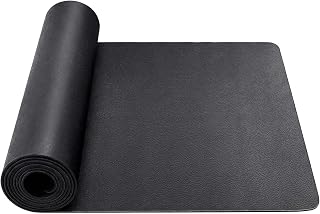
This 48-by-17-inch PVC workbench mat combines a compact footprint with a non-slip steel-plate texture that adds visual interest and a more secure working feel. At 1.5mm thick, it is a protective layer rather than a structural workbench replacement, making it useful over wood, laminate, or another existing top. Its scratch- and stain-resistant surface suits woodworking, crafting, and DIY projects where tools and small spills are part of the routine.
Frequently Asked Questions
What is the best material for a general-purpose workbench?
Solid wood is usually the most versatile option because it feels stable, accepts clamps, and can be refinished. Acacia, birch, and rubberwood are all practical choices, with the best fit depending on the bench size, finish preference, and expected workload.
Is a workbench mat better than a solid wood top?
Not necessarily; they solve different problems. A solid top provides structure and mass, while a mat protects an existing surface from scratches, stains, and minor impacts. Many workshops benefit from combining the two.
Does unfinished butcher block need to be sealed?
It is wise to apply an appropriate finish before regular use. Oil, polyurethane, hardwax, stain, or paint can reduce moisture absorption and make cleanup easier, though the ideal finish depends on whether you prioritize repairability, water resistance, or a natural feel.
How thick should a workbench top be?
A top around 1.5 inches thick offers a substantial feel for many home workshops and DIY benches. Thinner protective mats can work well on top of a sturdy base, but they should not be expected to replace a rigid structural surface.
Final Thoughts
For a warm, customizable centerpiece, the Howizz Acacia Butcher Block is an excellent choice; the unfinished birch slab is better for a long, tailored workstation. If you already have a sturdy bench, the Drydiet PU Leather Mat or compact PVC Workbench Mat offers an easier, lower-commitment way to add protection and refresh the work surface.