Key takeaways
- Clearance before dimensions: Leave 36 inches between the table edge and the nearest wall or cabinet — 42 to 48 if it’s a traffic path. Measure that gap first, then shop for a tabletop that fits inside it. An 86-inch table in a 12-foot room works; the same table in an 11-foot room doesn’t.
- Seat width per person: Budget 24 inches of table edge per diner, or 26 if the chairs have arms. A 72-inch rectangle seats six comfortably and eight only in theory. Oval tops buy you a little grace at the ends.
- Leaf mechanism quality: Butterfly leaves store inside the table and deploy in seconds; drop-in leaves require a closet and patience. Either way, check that the extension slides are metal rather than wood-on-wood, which is where cheap tables develop sag and wobble.
- Base geometry over base material: Pedestal and trestle bases free up legroom and let you squeeze an extra chair at the corners. Four-post legs are more stable under load but dictate exactly where people sit. Pick the geometry that matches how you actually use the room.
- Upholstery you can live with: Velvet and linen read expensive and stain fast. If you have kids, look for performance weave or spot-cleanable polyester, and confirm the seat foam is at least two inches thick — thin cushions flatten within a year of regular use.
What's inside
Buying a dining set is one of the few furniture decisions where the math matters as much as the mood. A table that photographs beautifully can still leave your guests elbow-to-elbow, and a set sized generously for holidays can swallow a small room the other 360 days of the year. The friction most shoppers hit isn’t a shortage of options — it’s the absence of a straight answer about clearance, seat depth, leaf mechanisms, and whether a given finish will survive a decade of Tuesday dinners.
This guide narrows the field to sets that hold up structurally and visually, spanning six-seat rectangles for everyday kitchens and nine-piece configurations with extension leaves for the households that host. Below you’ll find the picks, followed by the sizing and construction criteria worth weighing before you commit, honest notes on each set, and answers to the questions that come up after the boxes arrive.
As an Amazon Associate we earn from qualifying purchases.


🛒 Best Price Today on Amazon
Prime members get fast, free shipping on everything above, plus member-only deals. New members get a 30-day free trial — cancel anytime.
How to Choose a Dining Room Table Set (2026)
- Clearance before dimensions: Leave 36 inches between the table edge and the nearest wall or cabinet — 42 to 48 if it’s a traffic path. Measure that gap first, then shop for a tabletop that fits inside it. An 86-inch table in a 12-foot room works; the same table in an 11-foot room doesn’t.
- Seat width per person: Budget 24 inches of table edge per diner, or 26 if the chairs have arms. A 72-inch rectangle seats six comfortably and eight only in theory. Oval tops buy you a little grace at the ends.
- Leaf mechanism quality: Butterfly leaves store inside the table and deploy in seconds; drop-in leaves require a closet and patience. Either way, check that the extension slides are metal rather than wood-on-wood, which is where cheap tables develop sag and wobble.
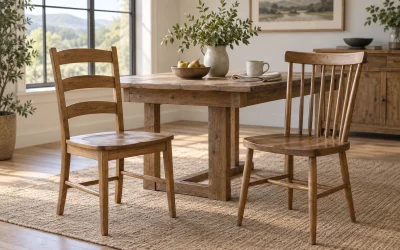
- Base geometry over base material: Pedestal and trestle bases free up legroom and let you squeeze an extra chair at the corners. Four-post legs are more stable under load but dictate exactly where people sit. Pick the geometry that matches how you actually use the room.
- Upholstery you can live with: Velvet and linen read expensive and stain fast. If you have kids, look for performance weave or spot-cleanable polyester, and confirm the seat foam is at least two inches thick — thin cushions flatten within a year of regular use.
The Best Dining Room Table Sets (2026), Reviewed
Miereirl 7-Piece Modern Farmhouse Set
At 86.6 by 47.2 inches, this is the most tabletop real estate you’ll find at this tier, and the walnut-and-brown pairing sidesteps the chalky white farmhouse look that’s aged poorly. The width is genuinely useful for serving family-style, though you’ll want a room at least 13 feet across to accommodate it properly.
Ashley Rokane 7-Piece Dining Set
Ashley’s Rokane is the safe, well-executed choice: a warm brown plank-effect top over a sturdy base, with chairs that match rather than merely coordinate. Nothing here is adventurous, which is precisely why it works in rentals, transitional rooms, and open-plan spaces where the table shouldn’t dominate.
East West Furniture Vancouver 9-Piece Oval Set
The butterfly leaf is the headline — it stores inside the table and takes the 40-by-76-inch oval up to a genuine eight-seat footprint without a trip to the basement. The espresso finish and linen upholstery lean formal, making this the pick for a dedicated dining room rather than an eat-in kitchen.
Steve Silver Napa 9-Piece Dining Set
Two 18-inch leaves give you three configurations from 72 to 108 inches, which is the most flexible range on this list and the reason it’s worth the premium if you host holidays. Build quality is a step up from the mass-market sets, with substantial turned legs and upholstered side chairs that feel finished rather than assembled.
64.5″ Pedestal Dining Set with Velvet Chairs
The decorative pedestal legs and tufted velvet chairs deliver a distinctly maximalist look for a compact footprint, and at 64.5 inches it fits rooms that can’t take a full-size rectangle. Treat the velvet as the tradeoff it is — beautiful in a low-traffic dining room, ambitious anywhere toddlers eat.
Frequently Asked Questions
How much room do I need around a dining table?
Thirty-six inches from table edge to the nearest obstruction is the working minimum — enough to pull a chair out and sit down. Push to 42 or 48 inches on sides where people walk past seated diners, and remember that a chair in use occupies roughly 20 inches behind the table edge.
Are seven- and nine-piece sets better value than buying separately?
Usually yes, on both cost and coordination — matching finishes across separate purchases is harder than it sounds. The exception is when you want a heirloom-grade table and don’t care about the chairs; in that case, buying the table alone and sourcing chairs secondhand often gets you a better piece for the same spend.
Is a rectangular or oval table better for a smaller room?
Oval, generally. Rounded ends remove the sharp corners that eat circulation space and make the table feel less imposing, while the length still accommodates the same number of people. Pedestal bases compound the benefit by keeping the floor visually open.
How do I keep a wood-look tabletop from wearing?
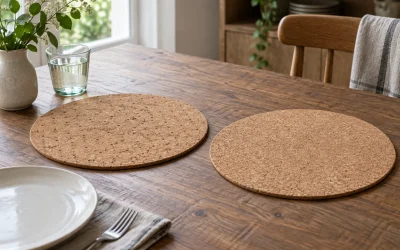
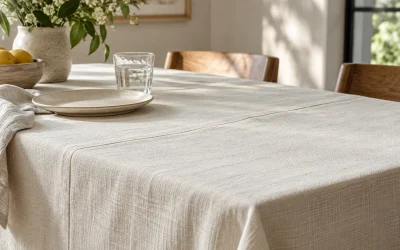
Use placemats or a runner under anything hot or wet, wipe spills promptly rather than letting them sit, and skip abrasive cleaners entirely. Most sets in this range use laminate or veneer over engineered wood, which resists daily use well but won’t survive standing moisture at the seams.
Final Thoughts
For most households, the Ashley Rokane is the balanced pick — durable, unobtrusive, and correctly sized for a typical dining room. If you host regularly, the Steve Silver Napa earns its keep with a 72-to-108-inch range that no other set here matches, while the East West Furniture Vancouver offers similar flexibility in an oval footprint better suited to tighter rooms. Measure your clearance first, and let that number decide which of the three you order.