Key takeaways
- Duty rating first, not last: Type I holds 250 lb, Type IA holds 300 lb, and Type IAA holds 375 lb. Add your body weight plus tools and material, then choose one tier above that number. The jump from IA to IAA usually costs less than the peace of mind is worth.
- Fiberglass for anything electrical: Non-conductive rails are the standard for light fixtures, ceiling fans, and panel work. Aluminum is lighter and cheaper, which makes it a fine pick for painting, shelving, and storage tasks well away from wiring.
- Consider the top surface: A traditional cap is fine for quick reaches. A wide platform changes the experience entirely on long jobs, letting you stand flat-footed while you sand, cut in a ceiling line, or hang art.
- Measure your storage before you measure your ceiling: A folded ten-footer needs about eleven feet of wall or a garage rafter run. If you don’t have it, a telescoping A-frame that collapses to roughly three feet solves the problem outright.
- Watch the details that fail first: Slip-resistant boot feet, molded top with tool slots, braced steps, and a bolted spreader are the parts that separate a ladder you keep for fifteen years from one you replace in three.
What's inside
Ten feet is the height where a home project stops being casual. It is the reach you need for a foyer pendant, the top of a two-story stairwell wall, crown molding in a room with nine-foot ceilings, or the seasonal ritual of getting the gutters clear. Anything shorter leaves you standing on the wrong rung; anything taller becomes a garage-storage problem you resent. Then there is the pricing puzzle: two ladders that look nearly identical can sit hundreds of dollars apart because of a duty rating, a rail extension, or a platform you may or may not use.
This guide sorts the ten-foot step ladder market the way we’d approach a furniture spec sheet: what the materials actually do, which upgrades earn their premium, and which models hold the strongest value at their typical street price. Below you’ll find current picks, a short buying framework, honest notes on each model, and answers to the questions that come up most before checkout.
As an Amazon Associate we earn from qualifying purchases.


How to Choose a 10 Ft Step Ladder Best Price (2026)
- Duty rating first, not last: Type I holds 250 lb, Type IA holds 300 lb, and Type IAA holds 375 lb. Add your body weight plus tools and material, then choose one tier above that number. The jump from IA to IAA usually costs less than the peace of mind is worth.
- Fiberglass for anything electrical: Non-conductive rails are the standard for light fixtures, ceiling fans, and panel work. Aluminum is lighter and cheaper, which makes it a fine pick for painting, shelving, and storage tasks well away from wiring.
- Consider the top surface: A traditional cap is fine for quick reaches. A wide platform changes the experience entirely on long jobs, letting you stand flat-footed while you sand, cut in a ceiling line, or hang art.
- Measure your storage before you measure your ceiling: A folded ten-footer needs about eleven feet of wall or a garage rafter run. If you don’t have it, a telescoping A-frame that collapses to roughly three feet solves the problem outright.
- Watch the details that fail first: Slip-resistant boot feet, molded top with tool slots, braced steps, and a bolted spreader are the parts that separate a ladder you keep for fifteen years from one you replace in three.
The Best 10 Ft Step Ladders for the Best Price (2026), Reviewed
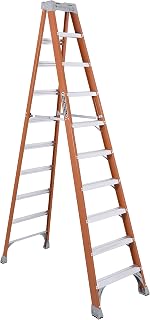
Louisville FS1510 Fiberglass, 300 lb Type IA
This is the sensible default for most homeowners: non-conductive fiberglass rails, a 300-pound rating, and pricing that consistently lands at the value end of pro-grade ladders. If you want one ten-footer that handles fixtures, paint, and attic access without overthinking it, start here.
Louisville FS1410HD Fiberglass, 375 lb Type IAA
The heavy-duty sibling, built with reinforced components and a 375-pound capacity that comfortably covers a larger user carrying a full tool load. Contractors buy this tier for a reason, and the premium over the FS1510 is modest enough that it’s often the smarter long-term purchase.
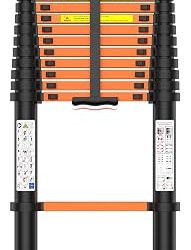
10 ft Telescoping A-Frame Ladder, 330 lb
A genuinely different proposition: an aluminum multi-position ladder that collapses to roughly a carry-on footprint and adapts to stairs, uneven ground, and tight interiors. Rung-by-rung locks require attention during setup, but for apartments, condos, and crowded garages it earns its place.
Louisville AS2110 Aluminum with Tool Tray, 250 lb Type I
The lightweight choice, and the easiest of this group to move solo between rooms. Reserve it for non-electrical work such as painting, cleaning, and closet builds, and appreciate the pivoting tool tray that keeps a roller and a quart of paint within reach.
Louisville FXP1710 Fiberglass Pro Platform, 300 lb Type IA
The extended rail gives you something to hold at chest height while you stand on a full platform, which transforms overhead work that lasts more than ten minutes. It’s the specialist pick here, and worth the upcharge if you’re facing ceilings, trim, or a long renovation punch list.
Frequently Asked Questions
How high can I actually reach with a 10 ft step ladder?
Plan on a working reach of roughly 14 feet for most adults, based on standing on an upper step with arms extended. That covers standard nine- and ten-foot ceilings and most two-story stairwell walls.
Is fiberglass worth paying more for?
If you will ever touch a light fixture, ceiling fan, or outlet from the ladder, yes. Fiberglass rails don’t conduct electricity, and that single property justifies the price gap for most household use.
Are telescoping ladders as safe as traditional ones?
Certified models are safe when used correctly, but they demand a habit: confirm every lock is fully engaged before you climb, every time. Fixed-frame ladders remove that step, which is why they remain the choice for frequent use.
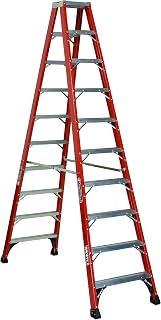
Do I need a twin-front ladder?
Only if two people work at once or you want to climb from either side, as with the FM1410HD twin front. For solo projects, a single-front step ladder is lighter and less expensive.
Final Thoughts
For most homes, the Louisville FS1510 delivers the best balance of safety rating, durability, and price in a ten-foot fiberglass ladder. Step up to the FS1410HD if you want the 375-pound margin, or choose the FXP1710 platform model if overhead work is a regular part of your projects rather than an occasional chore.