Key takeaways
- Film vs. penetrating: Water-based polyurethanes like Polycrylic build a protective shell that handles spills and heat well. Oils and oil-wax blends soak in, preserve tactile grain, and accept localized repairs without a full refinish.
- Cure time, not dry time: Many products feel dry in hours but need days or weeks to fully harden. Tung oil in particular wants patience. Plan the project around a window when the table can sit unused.
- Food-contact safety: If children eat directly off the surface or you use the table as prep space, look for products explicitly rated food safe once cured, such as pure tung oil or linseed-and-beeswax blends.
- Sheen and yellowing: Satin hides scratches better than gloss on a high-traffic surface. Water-based finishes stay clear over pale woods like maple and ash, while oils deepen and amber the tone, which flatters walnut and oak.
- Maintenance appetite: Oiled tables reward periodic reapplication, roughly annually. Polyurethane asks for nothing until it wears through. Choose the schedule you will realistically keep.
What's inside
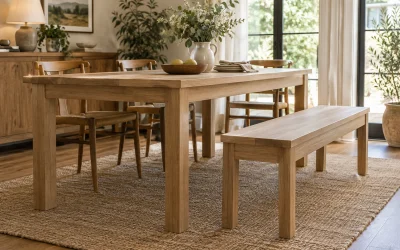
A dining table absorbs more abuse than almost any other surface in the home. Wine rings, hot serving bowls, the daily scrape of plates and elbows, and the odd craft project all land on the same few square feet of wood. Yet most buyers approach finish selection backwards, choosing based on how a sample looks in a hardware store aisle rather than how the surface will behave three winters from now when someone sets down a mug of tea without a coaster.
The real decision comes down to a tradeoff between repairability and resistance. Penetrating oils sink into the grain, leave the wood feeling like wood, and can be spot-fixed in an afternoon. Film-forming finishes sit on top, shrug off moisture and heat far better, and require sanding the whole surface when they eventually fail. Below are six finishes worth considering in 2026, spanning both philosophies, along with the criteria that actually matter when you match one to your table.
As an Amazon Associate we earn from qualifying purchases.


🛒 Best Price Today on Amazon
Prime members get fast, free shipping on everything above, plus member-only deals. New members get a 30-day free trial — cancel anytime.
How to Choose a Finish For Wooden Dining Table (2026)
- Film vs. penetrating: Water-based polyurethanes like Polycrylic build a protective shell that handles spills and heat well. Oils and oil-wax blends soak in, preserve tactile grain, and accept localized repairs without a full refinish.
- Cure time, not dry time: Many products feel dry in hours but need days or weeks to fully harden. Tung oil in particular wants patience. Plan the project around a window when the table can sit unused.
- Food-contact safety: If children eat directly off the surface or you use the table as prep space, look for products explicitly rated food safe once cured, such as pure tung oil or linseed-and-beeswax blends.
- Sheen and yellowing: Satin hides scratches better than gloss on a high-traffic surface. Water-based finishes stay clear over pale woods like maple and ash, while oils deepen and amber the tone, which flatters walnut and oak.
- Maintenance appetite: Oiled tables reward periodic reapplication, roughly annually. Polyurethane asks for nothing until it wears through. Choose the schedule you will realistically keep.
The Best Finish For Wooden Dining Table (2026)s Reviewed
100% Pure Tung Oil, 64 oz
This is the purist’s option: an unadulterated, food-grade oil that polymerizes inside the wood rather than coating it, producing a low-sheen surface with remarkable depth. The 64 oz size makes sense because proper application means multiple thinned coats over several weeks, and the payoff is a table you can repair invisibly for decades.
Minwax Polycrylic Protective Finish, 1 Quart
The most practical choice for a family table that sees daily use. This water-based formula dries fast, stays clear over light woods, and resists water and mild heat convincingly. The quart covers a standard six-seat table with the three thin coats it prefers.
Gilboys Hard Wax Oil, 500ml
Hard wax oil splits the difference between the two camps, penetrating the grain while leaving a thin wax-and-resin layer that handles water and heat far better than oil alone. It is the finish of choice on European kitchen worktops for good reason, and the natural formulation appeals if you want protection without a plastic feel.
Tried & True Original Wood Finish, 8 oz
A polymerized linseed oil and beeswax blend with no solvents or driers, which means no fumes and a genuinely non-toxic cure. Best suited to lower-traffic tables or as a maintenance coat over an existing oiled surface rather than as primary protection on a hardworking family table.
Howard Feed-N-Wax Beeswax Polish, 16 oz
Not a standalone finish but the right product for extending the life of one. The beeswax and carnauba blend replenishes an oiled or previously finished table, restoring warmth and slowing moisture loss. Keep a bottle on hand and apply seasonally.
Frequently Asked Questions
Which finish holds up best against hot dishes?
A cured water-based polyurethane like Polycrylic offers the strongest heat and moisture resistance of the group, with hard wax oil a close second. No finish is genuinely heatproof, so trivets remain worthwhile.
How many coats does a dining table need?
Three thin coats is the working minimum for film finishes, with a light scuff sand between each. Penetrating oils typically want four to six applications, each wiped back until the wood stops absorbing.
Can I apply a new finish over an old one?
Only if the two are compatible and the existing surface is sound. Oil will not penetrate through polyurethane, so a previously varnished table must be sanded to bare wood before oiling.
How long before the table is usable?
Polycrylic accepts light use after roughly 24 hours and fully hardens in about a week. Tung oil needs two to four weeks of curing before the surface reaches its final durability.
Final Thoughts
For most households, Minwax Polycrylic in satin delivers the best balance of protection, clarity, and speed. If you want a table that ages gracefully and can be touched up rather than stripped, Gilboys Hard Wax Oil is the smarter long-term investment, with 100% Pure Tung Oil reserved for those willing to trade weeks of curing time for an unmatched natural finish.