Key takeaways
- Resin type: Oil-based polyurethane cures harder and shrugs off heat and moisture better, but it warms the color and yellows over years. Water-based stays crystal clear, making it the right call over white oak, maple, ash, or painted bases.
- Sheen level: Gloss maximizes depth and is the easiest to wipe clean, though it broadcasts every scratch. Satin and semi-gloss diffuse light, hide micro-marring, and read as more contemporary on a wide tabletop.
- Film build per coat: Standard formulas need three to four coats for dining-grade protection. Self-leveling thick-build products deliver comparable film thickness in a single pass, which saves a full weekend of sanding between layers.
- Dry and recoat window: Fast-drying formulas let you stack coats the same day and reduce dust nibs. Whatever the recoat time says, plan on several days of full cure before returning place settings to the surface.
- Application method: Brushing and spraying build film fastest on large flat panels. Wipe-on formulas are nearly foolproof, ideal for first-timers, detailed edge profiles, and refreshing a table that only needs a maintenance coat.
What's inside
A dining table lives a harder life than any other piece of furniture in the house. It absorbs breakfast condensation, wine rings, hot serving bowls, homework pencils, and the occasional dragged chair leg — all on a horizontal surface where every flaw catches the light. Yet most people choose a topcoat in about ninety seconds, grabbing whatever can sits at eye level. That’s why so many beautiful tabletops end up cloudy, sticky in humid weather, or worn through along the front edge within two seasons.
The finish aisle doesn’t make it easy either. Oil-based or water-based, polyurethane or polycrylic, gloss or satin, one thick coat or four thin ones — the labels rarely explain which trade-off matters for a table you actually eat on. This guide narrows the field to six finishes that hold up under daily dining use, explains the specs worth caring about, and matches each product to the kind of table and working style it suits best.
As an Amazon Associate we earn from qualifying purchases.


🛒 Best Price Today on Amazon
Prime members get fast, free shipping on everything above, plus member-only deals. New members get a 30-day free trial — cancel anytime.
How to Choose a Polyurethane for a Dining Table (2026)
- Resin type: Oil-based polyurethane cures harder and shrugs off heat and moisture better, but it warms the color and yellows over years. Water-based stays crystal clear, making it the right call over white oak, maple, ash, or painted bases.
- Sheen level: Gloss maximizes depth and is the easiest to wipe clean, though it broadcasts every scratch. Satin and semi-gloss diffuse light, hide micro-marring, and read as more contemporary on a wide tabletop.
- Film build per coat: Standard formulas need three to four coats for dining-grade protection. Self-leveling thick-build products deliver comparable film thickness in a single pass, which saves a full weekend of sanding between layers.
- Dry and recoat window: Fast-drying formulas let you stack coats the same day and reduce dust nibs. Whatever the recoat time says, plan on several days of full cure before returning place settings to the surface.
- Application method: Brushing and spraying build film fastest on large flat panels. Wipe-on formulas are nearly foolproof, ideal for first-timers, detailed edge profiles, and refreshing a table that only needs a maintenance coat.
The Best Polyurethanes for Dining Tables (2026), Reviewed
Varathane Triple Thick Polyurethane Gloss
This self-leveling formula lays down roughly three coats’ worth of film in one application, so a tabletop can be sealed and protected in an afternoon rather than across a weekend. The glass-clear gloss shows off figured grain beautifully, though you’ll want a dust-free space and a level table, since a heavy film wants to flow.
Minwax Fast Drying Polyurethane, Clear Semi-Gloss
The reliable workhorse for solid-wood tables: an oil-based film that cures hard, resists spills and warm dishes, and can be recoated in hours instead of overnight. Semi-gloss is the most forgiving sheen for a heavily used surface, splitting the difference between shine and scratch camouflage.
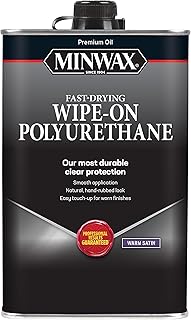
Minwax Fast Drying Polyurethane, Warm Satin
Same durable oil-based backbone, tuned toward a softer, lower-sheen look with a hint of amber that flatters walnut, cherry, and older pine. Stir it thoroughly and often — flatting agents settle, and an unmixed can produces uneven sheen across a large top.
Minwax Polycrylic Protective Finish, Satin
The go-to water-based option when color shift is unacceptable, such as over whitewashed oak, maple, or a painted pedestal. It dries fast with minimal odor and cleans up with water, but it needs patient thin coats and a light sanding between layers to reach dining-table toughness.
Varathane Water-Based Ultimate Gloss
A crystal-clear, quick-drying gloss with strong scratch resistance, sold in a half pint that suits a single tabletop, bistro table, or a test panel before committing to a quart. Low odor and fast recoat times make it practical for indoor work in cooler months.
Frequently Asked Questions
How many coats does a dining table need?
Three to four thin coats for conventional polyurethane and polycrylic, with a light scuff sand between each. A single-coat, thick-build product can reach similar protection in one pass, though a second coat adds insurance on a high-traffic table.
Is cured polyurethane safe for eating surfaces?
Fully cured polyurethane is inert and safe for incidental food contact, which is why it’s standard on commercial tabletops. It is not, however, a cutting-board finish — use boards and trivets, and never cut directly on the film.
Water-based or oil-based for a dining table?
Oil-based edges ahead on hardness and heat tolerance, making it the safer pick for a table that sees hot dishes nightly. Choose water-based when clarity matters more than maximum durability, particularly over pale or painted wood.
How long before we can use the table?
Light use after 24 to 48 hours, but hold off on placemats, tablecloths, and anything left sitting for a week or more. A film that feels dry can still imprint or bond to fabric while it finishes curing.
Final Thoughts
For most solid-wood dining tables, Minwax Fast Drying Polyurethane in Clear Semi-Gloss remains the dependable choice — hard-curing, widely available, and forgiving to apply. If you’d rather finish the project in a single session, Varathane Triple Thick delivers full protection in one self-leveling coat, while Minwax Polycrylic in Satin is the one to reach for when a pale or painted table needs to stay exactly the color you chose.