Key takeaways
- Measure the drop, not the deck: Pool and dock ladders are specified by vertical height from the walking surface to the water or lower landing. Take that number first, then buy a ladder whose adjustment range brackets it with room on both ends. A 46–56 inch range is the sweet spot for most above-ground installs; a 42–56 inch range covers shallower framing.
- Match the material to the exposure: Chlorine, salt spray, and UV attack different things. Molded high-density plastic resists pool chemistry better than painted steel, marine-grade aluminum handles salt and freeze-thaw cycles, and reinforced polyester line stays supple when steel cable would rust or kink.
- Check the fastening surface: Composite decking is softer than it looks. Confirm the mounting plate spans a joist or add blocking underneath before you drill. Removable pin-mount designs are the better call on floating docks and pontoon gates where seasonal takedown matters.
- Read capacity as a system rating: A 350 or 450 pound rating assumes correct assembly and a level base. Platform accessories carry their own, much lower limits, often 25 pounds for tool trays versus 375 for a standing platform. Never borrow one number for the other.
- Prioritize step width and grip: Wet feet need surface area. Look for treads at least four inches deep with molded texture or a bonded nonslip mat, and rounded outer edges that won’t bruise a shin on the way up.
What's inside
Decks have quietly become the most-used room in the house, which means the hardware attached to them deserves the same scrutiny we give a sofa or a light fixture. A ladder is the piece most people buy last and think about least, and it shows: wobbling side rails bolted to a composite edge, resin steps chalking after one summer, a pool ladder sized for a 48-inch wall that arrives fixed at 52. The result is a beautiful outdoor space with an awkward, unsafe joint where the deck meets the water or the work above it.
This guide separates the two jobs people mean when they search for a deck ladder: getting off the deck (into a pool, onto a dock, down to a boat) and getting above it (platforms and accessories that turn a multi-position ladder into a stable place to stand while you stain a pergola or hang a fixture). Below you’ll find the models worth mounting to real structures, followed by a short sizing framework, honest notes on each, and answers to the questions that come up after the box is open.
As an Amazon Associate we earn from qualifying purchases.



How to Choose a Deck Ladder (2026)
- Measure the drop, not the deck: Pool and dock ladders are specified by vertical height from the walking surface to the water or lower landing. Take that number first, then buy a ladder whose adjustment range brackets it with room on both ends. A 46–56 inch range is the sweet spot for most above-ground installs; a 42–56 inch range covers shallower framing.
- Match the material to the exposure: Chlorine, salt spray, and UV attack different things. Molded high-density plastic resists pool chemistry better than painted steel, marine-grade aluminum handles salt and freeze-thaw cycles, and reinforced polyester line stays supple when steel cable would rust or kink.
- Check the fastening surface: Composite decking is softer than it looks. Confirm the mounting plate spans a joist or add blocking underneath before you drill. Removable pin-mount designs are the better call on floating docks and pontoon gates where seasonal takedown matters.
- Read capacity as a system rating: A 350 or 450 pound rating assumes correct assembly and a level base. Platform accessories carry their own, much lower limits, often 25 pounds for tool trays versus 375 for a standing platform. Never borrow one number for the other.
- Prioritize step width and grip: Wet feet need surface area. Look for treads at least four inches deep with molded texture or a bonded nonslip mat, and rounded outer edges that won’t bruise a shin on the way up.
The Best Deck Ladders for 2026, Reviewed
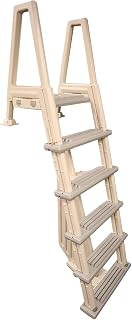
Confer Plastics 6000X Heavy Duty In-Pool Ladder
The widest useful adjustment range here, 42 to 56 inches, which makes it the safe default when you’re ordering before the deck framing is finalized. Its molded steps and heavy-gauge plastic construction sidestep the corrosion problems that plague budget steel ladders sitting in chlorinated water.
Confer Plastics 635-52X In-Pool Deck Ladder
Essentially the same engineering discipline in a tighter 46 to 56 inch window, and the one to choose for standard 52-inch above-ground walls where you want less hardware in the sightline. Clean lines, no exposed fasteners at eye level, and it disassembles for winter storage without tools you don’t own.
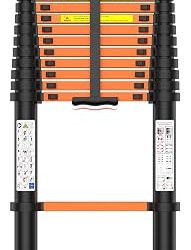
VEVOR Removable Dock Ladder, 3 Steps
Four-inch treads with a bonded rubber mat make this the most confident-feeling climb of the group in bare feet, and the 350 pound capacity is honest. The removable mount is the real selling point: lift it out for a clean dock edge when guests arrive or when ice season starts.
Little Giant Work Platform 10104
Converts a multi-position ladder into an actual standing surface, rated to 375 pounds, with an anti-fatigue deck that changes how long you can comfortably work overhead. If you’re refinishing a railing or soffit line yourself, this is the accessory that pays for itself in a weekend.
Little Giant AirDeck Workstation
A lighter-duty companion piece, built as a tool tray and handrail rather than a place to stand, so respect the 25 pound limit. It’s the difference between climbing down six times for a driver bit and finishing the job in one trip.
Frequently Asked Questions
Can I mount a pool ladder directly to composite decking?
Only over solid backing. Composite boards flex under point loads, so locate the mounting plate over a joist or install blocking beneath the deck surface, then use stainless hardware to avoid staining.
Do I need a separate ladder for a boat?
Usually yes. Boarding from water requires a submerged step, which is where a rope ladder like the 450-pound-rated four-step polyester model earns its place. Its rigid resin steps stay usable underwater, where a rigid dock ladder can’t reach.
How high is too high for a deck ladder?
Past roughly 56 inches of vertical drop you’re into stair territory, both for comfort and for most local codes. Check your municipality before improvising with an extension.
What maintenance do these actually need?
Rinse salt and chlorine off after the season, check every bolt for torque each spring, and inspect treads for hairline cracks. Rope ladders should be dried before storage to prevent mildew in the line.
Final Thoughts
For most above-ground pools attached to a deck, the Confer 6000X is the flexible, corrosion-proof choice, with the 635-52X as the cleaner-looking pick if your wall height is already settled at 52 inches. Waterfront and pontoon owners should go with the VEVOR removable dock ladder for its wide, grippy treads, and anyone maintaining their own deck should add the Little Giant Work Platform 10104 before the next staining season.