Key takeaways
- Runner material and fit: UHMW plastic and machined aluminum rails both track well, but UHMW shrugs off humidity swings that make hardwood runners bind in July and rattle in January. Look for adjustable set screws so you can dial out slop without shimming.
- Capacity versus footprint: A large sled steals blade height and gets awkward to store. Match the deck size to the work you actually do; furniture parts under 18 inches rarely need anything oversized.
- Zero-clearance support: The kerf slot in the deck and fence should close tightly around the blade. This is what keeps veneer, figured maple, and thin dowels from splintering on the exit side.
- Squaring adjustment: Sleds drift over time. A fence with a pivot point and locking hardware lets you re-square with the five-cut method instead of rebuilding the jig.
- Safety hardware: Blade guard blocks, hold-down clamps, and a rear fence that stops the blade before it exits matter most on small parts, where fingers otherwise end up uncomfortably close.
What's inside
Anyone who has built a set of dining chairs or a slim-profile console knows the moment: the joinery looks perfect on the bench, then the miter gauge wanders half a degree and the whole frame racks. Table saw fences are built for ripping long boards, not for holding a 3-inch rail square while a blade spins through it. That gap between what a saw does well and what furniture actually demands is where most weekend projects lose their crispness, and it is almost never the sawyer’s fault.
A crosscut sled closes that gap. It rides in the miter slots, carries the workpiece past the blade on a flat deck, and backs the cut with a zero-clearance fence so grain fibers have nowhere to tear out. This guide looks at the sleds worth owning in 2026, from compact small-parts jigs suited to drawer fronts and inlay stock, to full kits you build around your own saw, to a slab-flattening router sled for anyone working live edge tops. Below you will find selection criteria, honest notes on each pick, and answers to the questions that come up once a sled is actually sitting on your saw.
As an Amazon Associate we earn from qualifying purchases.


How to Choose a Table Saw Sled (2026)
- Runner material and fit: UHMW plastic and machined aluminum rails both track well, but UHMW shrugs off humidity swings that make hardwood runners bind in July and rattle in January. Look for adjustable set screws so you can dial out slop without shimming.
- Capacity versus footprint: A large sled steals blade height and gets awkward to store. Match the deck size to the work you actually do; furniture parts under 18 inches rarely need anything oversized.
- Zero-clearance support: The kerf slot in the deck and fence should close tightly around the blade. This is what keeps veneer, figured maple, and thin dowels from splintering on the exit side.
- Squaring adjustment: Sleds drift over time. A fence with a pivot point and locking hardware lets you re-square with the five-cut method instead of rebuilding the jig.
- Safety hardware: Blade guard blocks, hold-down clamps, and a rear fence that stops the blade before it exits matter most on small parts, where fingers otherwise end up uncomfortably close.
The Best Table Saw Sled (2026)s Reviewed
Small Crosscut Sled with Zero-Gap Support
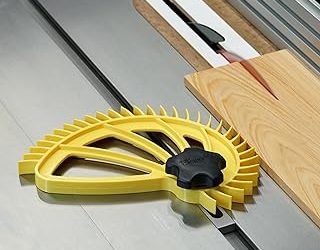
Built for the fussy stuff: tenon shoulders, thin dowels, and the slender decorative moldings that dress up a cabinet face. The aluminum slide rails give it a smoother, more repeatable glide than shop-made wooden runners, and the zero-gap deck keeps tiny offcuts from diving into the throat plate.
POWERTEC 71403 Crosscut Sled
A jig-and-hardware kit that lets you size the deck to your own saw, which is the honest advantage over a fixed sled. The included hardware is solid enough that a careful afternoon of assembly yields a sled that stays square through years of case work, and the build itself teaches you how to tune it.
Rockler Small Parts Crosscut Sled
Rockler’s take is the one I recommend to people making jewelry boxes, drawer dividers, and small mitered frames. The zero-clearance support and enclosed cutting zone mean you can trim a one-inch block cleanly without improvising a push stick, and the fit and finish feel like a purchased tool rather than a kit.
O’SKOOL Slab Flattening Router Sled
Different job, same obsession with flatness. The three-axis gantry and 3.5-inch router lift let you level a walnut slab or river table top that would never fit through a planer, which makes it the natural companion for anyone building statement dining tables at home.
21P Table Saw Sled Kit
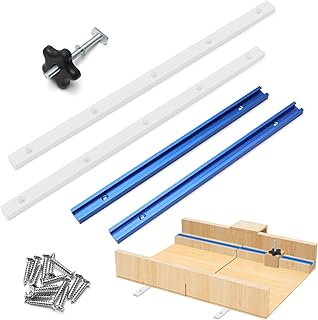
The most flexible option here: two UHMW miter bars, two aluminum T-tracks, predrilled hardware, and the freedom to build whatever deck your bench and blade height allow. Best suited to woodworkers who already know the sled they want and simply need well-machined components.
Frequently Asked Questions
Do I still need a miter gauge if I have a sled?
For angled cuts beyond what the sled’s fence offers, yes. But for square crosscuts on furniture parts, a tuned sled is more accurate and considerably safer.
Will a sled fit any table saw?
Most fit standard 3/4-inch by 3/8-inch miter slots found on contractor and cabinet saws. Measure your slots before ordering, and check that your blade still reaches full depth through the sled deck.
How do I keep the fence square?
Use the five-cut method every few months, or after the sled has taken a knock. Small errors compound across a case, so a quick check before a big glue-up is time well spent.
Can a sled handle sheet goods?
Only small panels. Full sheets of plywood are better broken down with a track saw first, then trimmed to final size on the sled.
Final Thoughts
For most furniture makers, the Rockler Small Parts Crosscut Sled is the easiest recommendation: it arrives ready to use and handles the drawer fronts, dividers, and mitered frames that fill a real build list. Choose the POWERTEC 71403 if you would rather build and tune your own, and add the O’SKOOL router sled if live edge slabs and thick tabletops are where your work is heading.