Key takeaways
- Rip capacity: Anything under 24 inches means you cannot center-cut a 4×8 sheet without an outfeed workaround. Look for 30 inches or more if plywood casework is on your list; 24 to 26 inches is plenty for trim, hardwood, and furniture parts.
- Fence quality: This is the single component that separates frustrating saws from trustworthy ones. A rack-and-pinion or T-square fence that locks parallel every time is worth more than extra horsepower you will rarely tap.
- Motor type: Universal 15-amp motors start fast, weigh little, and run loud. Induction motors, like the 1-3/4 HP unit in the JET, run quieter and last longer under sustained hardwood ripping, but they need a fixed home.
- Stand and mobility: A wheeled or folding stand determines whether the saw gets used or stays buried. Rolling stands from DEWALT and SKIL genuinely collapse; verify the height suits your work surface before committing.
- Safety and dust control: Non-negotiables are a riving knife, anti-kickback pawls, and a real blade guard. A 2-1/2 inch dust port that mates to a shop vac keeps fine dust off finished surfaces elsewhere in the house.
What's inside
Anyone who has tried to build a floating shelf, a walnut bench, or a run of built-in cabinetry with a circular saw and a chalk line knows the ceiling you hit fast: the cut is only as square as your hands are steady. A table saw flips that relationship. The blade stays put, the stock moves, and suddenly repeatable joinery-grade accuracy is something you own rather than something you approximate. The trouble is that “10 inch table saw” spans everything from a 40-pound benchtop unit you carry in one hand to a cast-iron-and-steel machine that becomes a permanent fixture in your shop. Picking wrong means either outgrowing the saw in a season or hauling around far more machine than your projects justify.
This guide sorts the 2026 field by how these saws actually behave in real spaces: rip capacity against sheet goods, fence repeatability against cabinet parts, dust behavior in a garage you also park in, and how honestly each stand folds away when the weekend ends. Below you will find the current standouts, followed by the specs that genuinely change your results and the ones that mostly pad a spec sheet.
As an Amazon Associate we earn from qualifying purchases.


How to Choose a/an 10 In Table Saw (2026)
- Rip capacity: Anything under 24 inches means you cannot center-cut a 4×8 sheet without an outfeed workaround. Look for 30 inches or more if plywood casework is on your list; 24 to 26 inches is plenty for trim, hardwood, and furniture parts.
- Fence quality: This is the single component that separates frustrating saws from trustworthy ones. A rack-and-pinion or T-square fence that locks parallel every time is worth more than extra horsepower you will rarely tap.
- Motor type: Universal 15-amp motors start fast, weigh little, and run loud. Induction motors, like the 1-3/4 HP unit in the JET, run quieter and last longer under sustained hardwood ripping, but they need a fixed home.
- Stand and mobility: A wheeled or folding stand determines whether the saw gets used or stays buried. Rolling stands from DEWALT and SKIL genuinely collapse; verify the height suits your work surface before committing.
- Safety and dust control: Non-negotiables are a riving knife, anti-kickback pawls, and a real blade guard. A 2-1/2 inch dust port that mates to a shop vac keeps fine dust off finished surfaces elsewhere in the house.
The Best 10 In Table Saw (2026)s Reviewed
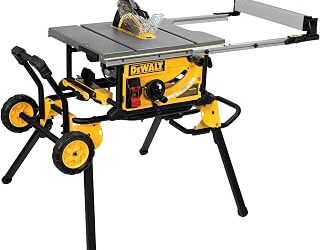
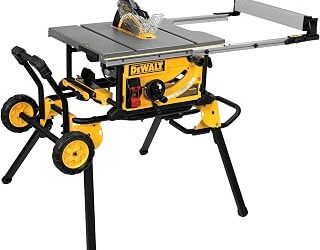
DEWALT DWE7491RS
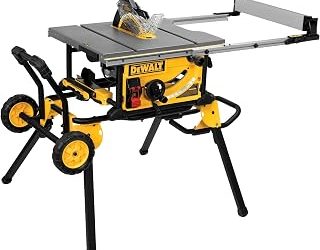
The rack-and-pinion fence glides and locks with a precision that still embarrasses saws twice its price, and 32-1/2 inches of rip capacity handles full sheet goods without an outfeed circus. Its folding rolling stand is the benchmark: one lever, one tilt, and the saw is out of the way.
JET ProShop II (JPS-10)
This is the shop-anchor choice, with a 1-3/4 HP induction motor and steel extension wings that turn 30 inches of rip capacity into a stable, low-vibration platform for cabinet work. Buy it if the saw has a permanent address and you rip hardwood often enough to appreciate the quiet.
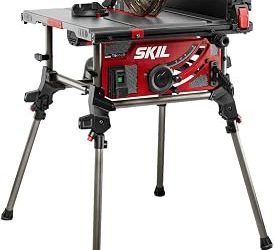
SKIL TS6307-00
SKIL’s 15-amp jobsite saw pairs a rack-and-pinion fence with a folding stand at a friendlier entry point, making it the sensible first table saw for a garage workshop. Dust collection is respectable, and the compact footprint suits shared-space setups.
Evolution R10TBLX
The wheeled stand, zero-clearance throat plate, and included dado plate make this the most feature-complete package out of the box, with 26 inches of rip and a full 3-3/8 inch depth at 90 degrees. Ideal if you want dado joinery capability without buying accessories separately.
DOVAMAN DTS10A
A 5,300 RPM copper motor and single-side extension give this benchtop saw more usable table than its size suggests, at 3.35 inches of cut at 90 degrees. Best suited to trim work, small furniture, and hobby projects rather than daily sheet-goods production.
Frequently Asked Questions
Is a 10-inch blade enough for furniture work?
Yes. Ten inches gives roughly 3 to 3-1/2 inches of cut depth at 90 degrees, which covers hardwood stock, table legs, and laminated panels. Twelve-inch saws mostly benefit timber framing.
Do I need a cabinet saw instead?
Only if you rip hardwood daily and have dedicated floor space plus 240V service. A quality jobsite or hybrid saw handles most home furniture builds with equal accuracy.
What blade should I start with?
Swap the stock blade for a 40-tooth combination blade. It handles rips and crosscuts cleanly, and a dedicated 80-tooth blade is worth adding for veneered plywood and melamine.
How much dust should I expect indoors?
Even good saws release fine dust. Connect a shop vac to the dust port, work near ventilation, and wear an N95 or better when milling MDF and engineered panels.
Final Thoughts
For most people building furniture at home, the DEWALT DWE7491RS is the confident default: sheet-goods capacity, a fence you can trust, and a stand that respects your floor space. Choose the JET ProShop II if the saw stays put and you want induction-motor smoothness for years of hardwood work, or the Evolution R10TBLX if a dado plate and wheeled stand included from day one matter more than maximum rip width.