Key takeaways
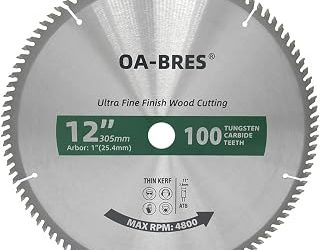
- Tooth count: Fewer teeth clear waste faster, more teeth leave a smoother edge. Roughly, 24–32T for ripping construction lumber, 40T as a genuine do-everything choice, 60–80T for finish crosscuts, plywood, and pre-finished panels.
- Arbor size: Nearly every 10-inch table saw uses a 5/8-inch arbor. Confirm it before ordering, and never shim a blade to fit an arbor it was not made for.
- Carbide quality and grind: The tips do the work, not the steel plate. Look for micro-grain carbide and an ATB (alternate top bevel) grind for clean crosscuts; larger, thicker teeth mean more resharpenings before the blade is spent.
- Kerf and saw power: Thin-kerf blades remove less material and strain smaller motors less, which matters on jobsite and benchtop saws. Full-kerf blades track straighter on 3HP cabinet saws.
- Plate design: Anti-vibration slots, laser-cut expansion gaps, and a coated plate reduce heat, pitch buildup, and the resonance you hear as a squeal in long rips.
What's inside
Anyone who has built a floating shelf or a slab-style dining table knows the moment: the cut looks clean coming off the saw, then the light hits it and you see the fuzz. Torn grain along a maple edge, chipped veneer on a plywood carcass, burn marks that no amount of sanding fully erases. Nine times out of ten the culprit is not technique or the saw itself. It is the blade that shipped in the box, which most manufacturers treat as a placeholder rather than a tool.
A 10-inch blade is the standard for contractor and cabinet saws, and swapping the stock one for something purpose-built is the cheapest meaningful upgrade in a home shop. This guide covers what actually matters when you choose one, what to expect from the blades worth owning, and where multi-packs make more sense than a single premium disc. The picks below span fine-finish crosscutting, ultra-fine work on hardwood and melamine, and combination sets for people who build a bit of everything.
As an Amazon Associate we earn from qualifying purchases.


How to Choose a/an 10 Inch Blade For Table Saw (2026)
- Tooth count: Fewer teeth clear waste faster, more teeth leave a smoother edge. Roughly, 24–32T for ripping construction lumber, 40T as a genuine do-everything choice, 60–80T for finish crosscuts, plywood, and pre-finished panels.
- Arbor size: Nearly every 10-inch table saw uses a 5/8-inch arbor. Confirm it before ordering, and never shim a blade to fit an arbor it was not made for.
- Carbide quality and grind: The tips do the work, not the steel plate. Look for micro-grain carbide and an ATB (alternate top bevel) grind for clean crosscuts; larger, thicker teeth mean more resharpenings before the blade is spent.
- Kerf and saw power: Thin-kerf blades remove less material and strain smaller motors less, which matters on jobsite and benchtop saws. Full-kerf blades track straighter on 3HP cabinet saws.
- Plate design: Anti-vibration slots, laser-cut expansion gaps, and a coated plate reduce heat, pitch buildup, and the resonance you hear as a squeal in long rips.
The Best 10 Inch Blade For Table Saw (2026)s Reviewed
DEWALT 40-Tooth Fine Finish (DWA11040)
This is the blade to leave mounted if you only own one. Forty teeth with a thin kerf and tough carbide handles hardwood rips, sheet goods, and miter work without the bogging you get from an 80T blade pushed too hard, and DEWALT’s tensioning keeps it tracking straight even as it warms up.
FOXBC 80-Tooth Ultra Finish
An 80-tooth blade earns its keep on melamine, prefinished plywood, and anything with a delicate face, and this one leaves edges close to glue-ready. Feed slowly and let the blade work; rushing an ultra-fine grind is the fastest way to burn a cherry panel.
WEN BL1080 80-Tooth Ultra-Fine Finish
A well-priced entry into ultra-fine cutting that fits both miter and table saws, which makes it an easy second blade for a shared home shop. Cut quality on trim, hardwood edging, and drawer parts is genuinely good, though it prefers a slow, steady feed over aggressive stock removal.
WEN BL1060 60-Tooth Fine Finish
Sixty teeth sits in an underrated sweet spot: smoother than a general-purpose blade, faster and cooler than an 80T. If your projects lean toward casework, shelving, and mitered frames, this is arguably the more practical WEN of the pair.
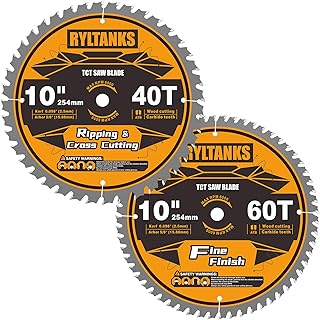
32T / 60T / 80T 3-Pack
The most sensible starting point for a new shop, covering framing, fine finish, and ultra-fine work for roughly the price of one premium blade. Individually these are not top-tier, but having the right tooth count on hand beats forcing the wrong one every time.
Frequently Asked Questions
How many teeth do I need for plywood?
Sixty to eighty. High tooth counts take smaller bites, which keeps thin face veneer from lifting. Scoring the cut line or using a zero-clearance insert helps further.
Can I use a miter saw blade on a table saw?
Often yes, provided the diameter, arbor, and maximum RPM match. Avoid negative-hook miter blades on a table saw, since that geometry resists the feed direction and makes cutting harder to control.
How often should a blade be replaced?
Sharpen or replace when you notice increased feed pressure, burning, or louder cutting. Cleaning pitch off the carbide with a dedicated blade cleaner often restores performance people mistake for dullness.
Is a thin-kerf blade worth it?
On saws under 2HP, yes. Less material removed means less resistance, cooler cuts, and slightly better yield from expensive hardwood.
Final Thoughts
For most home builders, the DEWALT DWA11040 is the blade that stays on the arbor and quietly improves every project. Pair it with the FOXBC 80-tooth for panel and finish work, or start with the 32T/60T/80T three-pack if you would rather cover the full range before deciding where your work actually lives.