Key takeaways
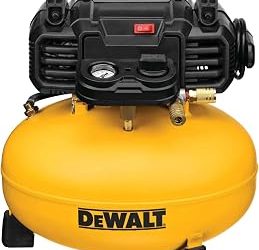
- Compressor capacity first: Most 1/2-inch guns want roughly 4 to 6 CFM at 90 PSI. A pancake compressor will run one in short bursts; sustained work needs a 20-gallon tank or larger, or the tool will feel weak and you will blame the wrong thing.
- Loosening vs. maximum torque: Marketing numbers describe peak nut-busting output in ideal conditions. Working torque is lower. For furniture restoration and light automotive work, 400 to 600 ft-lbs of real loosening power is plenty.
- Hammer mechanism: Twin-hammer designs hit smoother and last longer under repeated load. Single-hammer tools deliver sharper individual blows but transmit more shock into your wrist over a long session.
- Weight and balance: Composite housings drop the tool to under 5 pounds, which matters when you are working overhead or reaching into a frame. Steel bodies absorb abuse better but punish long jobs.
- Noise and control: Pneumatics run loud. Quiet-rated models near 85 to 90 dBA make shared workshops tolerable, and multi-speed regulators let you dial output down so you are not shearing threads on softer hardware.
What's inside
Anyone who has assembled a mid-century credenza with cast-iron hardware, or pulled apart a salvaged steel bed frame to refinish it, knows the moment where a hand ratchet stops being a tool and starts being a negotiation. Restoration work, custom fabrication, and furniture built on real steel all involve fasteners that were torqued by machine and expect to be removed by machine. Cordless drivers stall. Breaker bars round off corners. And the first genuinely stuck bolt is usually the one holding the piece you care most about.
An air-powered impact wrench solves that problem with a different kind of force: short, repeated hammer blows instead of steady pressure, so the fastener breaks loose before the head deforms. This guide covers six pneumatic 1/2-inch wrenches worth putting on a workbench in 2026, from lightweight guns aimed at speed to the heavier, slower-hitting tools built for structural work. Below you will find the specs that actually matter, honest notes on where each model earns its keep, and the compressor requirements nobody mentions until after you have bought the wrench.
As an Amazon Associate we earn from qualifying purchases.



How to Choose an Air Compressor Impact Wrench (2026)
- Compressor capacity first: Most 1/2-inch guns want roughly 4 to 6 CFM at 90 PSI. A pancake compressor will run one in short bursts; sustained work needs a 20-gallon tank or larger, or the tool will feel weak and you will blame the wrong thing.
- Loosening vs. maximum torque: Marketing numbers describe peak nut-busting output in ideal conditions. Working torque is lower. For furniture restoration and light automotive work, 400 to 600 ft-lbs of real loosening power is plenty.
- Hammer mechanism: Twin-hammer designs hit smoother and last longer under repeated load. Single-hammer tools deliver sharper individual blows but transmit more shock into your wrist over a long session.
- Weight and balance: Composite housings drop the tool to under 5 pounds, which matters when you are working overhead or reaching into a frame. Steel bodies absorb abuse better but punish long jobs.
- Noise and control: Pneumatics run loud. Quiet-rated models near 85 to 90 dBA make shared workshops tolerable, and multi-speed regulators let you dial output down so you are not shearing threads on softer hardware.
The Best Air Compressor Impact Wrenches of 2026, Reviewed
AEROPRO TOOLS 1/2-Inch Twin Hammer Impact Wrench
A strong entry point: twin-hammer construction and a 1200 ft-lb rating at a fraction of what the professional brands ask, in a body light enough for extended use. Expect the durability of a value tool rather than a shop workhorse, but for occasional heavy fasteners it delivers far more than its price suggests.
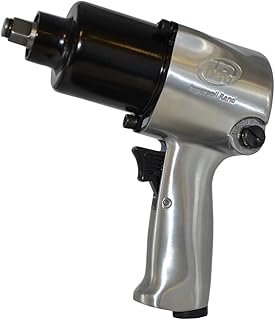
Ingersoll Rand 231C 1/2″ Drive
The reference standard, and deservedly so. Its 600 ft-lb output is modest on paper, yet the tool’s smoothness, serviceability, and decades-long parts availability make it the one I recommend to anyone buying a single impact wrench for life.
Ingersoll Rand 2135QXPA 1/2″ Drive
Roughly double the torque of the 231C in a shorter, quieter, lighter package, which makes it the better choice for tight clearances and stubborn suspension or frame hardware. The premium is real, but so is the reduction in fatigue.
AIRCAT 1150 Composite Impact Wrench
AIRCAT built its reputation on quiet operation, and at 89 dBA this one is noticeably civil for a 900 ft-lb tool. The composite housing and ergonomic grip make it the most comfortable gun here for long restoration sessions in a small space.
Trivd Frol 1/2″ Impact Wrench
At 4.74 pounds with an 8000 RPM free speed, this is the fast, nimble option for high-volume fastener removal rather than maximum grunt. Treat the 1500 ft-lb claim as optimistic and it is a genuinely useful lightweight second gun.
Frequently Asked Questions
What size compressor do I actually need?
A 20-gallon tank with at least 4 CFM at 90 PSI handles intermittent work comfortably. Smaller portable units function but require pausing while the tank recovers.
Is pneumatic still better than cordless in 2026?
Cordless has closed the gap on convenience, but air tools remain lighter for the same output, cheaper to replace, and immune to battery degradation. If you already own a compressor, pneumatic is the better value.
Do I need impact-rated sockets?
Yes, without exception. Chrome sockets can shatter under impact loads. Black impact sockets are inexpensive and non-negotiable for safety.
How much maintenance is involved?
A few drops of air tool oil into the inlet before each use, plus draining your compressor tank regularly. Neglecting either is the most common cause of premature failure.
Final Thoughts
For most readers restoring or building furniture, the Ingersoll Rand 231C remains the smartest single purchase: reliable, repairable, and strong enough for nearly everything short of heavy machinery. Step up to the 2135QXPA if you regularly meet seized structural hardware, or choose the AIRCAT 1150 when workshop noise and all-day comfort matter most.