Key takeaways
- Choose a wide, weighted base that does not wobble when the pot is stirred.
- Look for cool-touch or insulated handles, especially when children or pets are present.
- Keep at least 12 inches between the fondue set and paper napkins, curtains, or other easily ignited items.
- Use wooden or silicone utensils with coated interiors.
- Do not move a full pot by its handles unless the manufacturer specifically designs them for lifting.
- Check that the cord reaches the outlet without crossing a walkway; extension cords can be unsafe with high-wattage appliances.
The best cheese melting fondue sets for easy entertaining are usually electric models with adjustable heat, a 1.5–2.0-quart pot, a thick heat-spreading base, and removable dishwasher-safe parts; choose a smaller 1-quart set for two to four people or a larger 2-quart set for a fondue party.
Our top picks
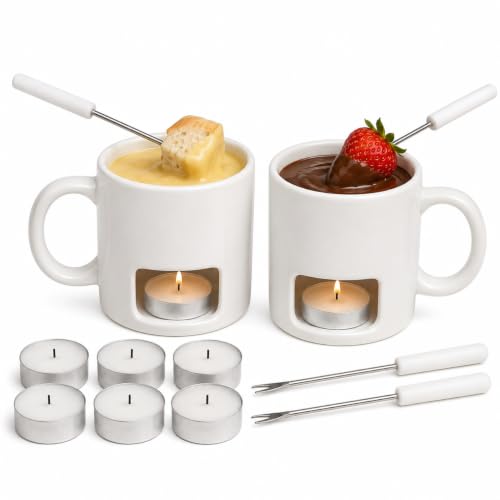
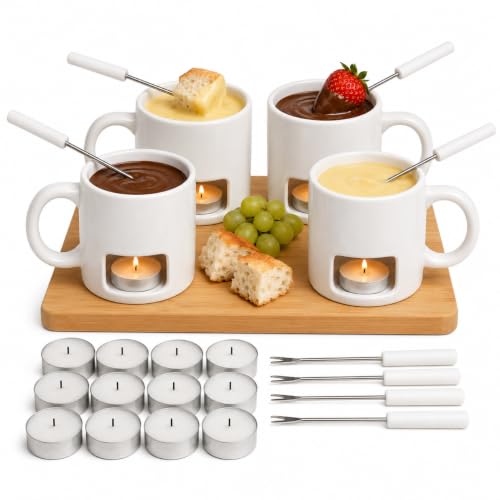
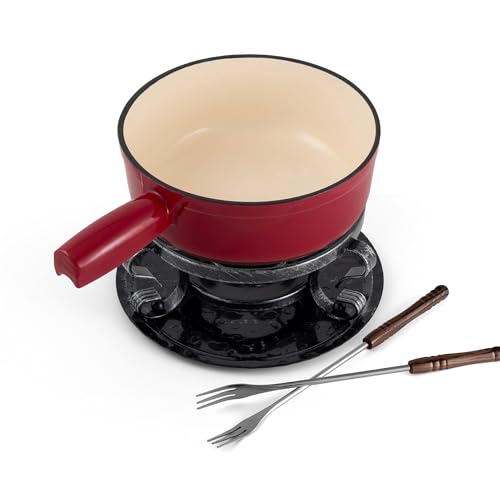

As an Amazon Associate we earn from qualifying purchases at no extra cost to you. Ratings are shown as listed on Amazon.
Quick picks by entertaining situation
| Situation | Best set type | Recommended capacity | Why it fits |
|---|---|---|---|
| Apartment dinner for two to four | Compact electric fondue set | 0.75–1.25 qt | Fast warm-up, small footprint, easier storage |
| Family with children or pets | Electric set with insulated handles and stable base | 1.25–2 qt | No exposed flame and less risk of a knocked-over burner |
| Renters or occasional hosts | Removable-pot electric set | 1–1.5 qt | No fuel storage, simple cleanup, and no permanent installation |
| Large fondue party | Large electric set or two medium sets | 2–3 qt total | More even serving and fewer guests reaching across the table |
| Traditional presentation | Ceramic or enameled cast-iron pot with burner | 1–2 qt | Attractive tabletop appearance and excellent heat retention |
Electric versus flame: which melts cheese more evenly?
For most home entertainers, an electric fondue set is the easier choice. Its heating element surrounds or sits directly beneath the pot, and a thermostat lets you maintain a low, steady temperature after the cheese has melted. That matters because cheese fondue can separate, scorch, or become rubbery when the bottom gets much hotter than the surface.
Electric models are particularly useful when you want to serve fondue for an hour or longer. Look for a broad temperature range rather than a simple “on/off” switch. A control that moves from gentle warming to medium heat gives you more control during melting, while a lighted indicator helps you see when the element is active.
Gel or alcohol burners offer a more traditional experience, but they require closer attention. Their heat is less precise, fuel can run out during a meal, and the flame creates an open-fire hazard around children, loose sleeves, and table linens. They can work well when appearance is more important than fine temperature adjustment, especially with a heavy ceramic or cast-iron pot.
What to compare before buying
1. Heating consistency
Cheese fondue generally needs gentle heat rather than maximum power. A useful set should melt cheese without creating a hot ring at the bottom of the pot. Thick aluminum, stainless steel with an aluminum core, glazed ceramic, and enameled cast iron can all work, but construction matters as much as the named material.
Thin stainless steel pots heat quickly but may develop hot spots. Ceramic warms more slowly and retains heat well, though it can crack from thermal shock. Cast iron is exceptionally stable once hot, but it is heavy and takes longer to adjust when you turn the heat down. An electric base with a wide heating plate usually distributes heat more evenly than a small central burner.
2. Temperature control
Choose continuous or multi-step adjustment instead of a single low/high selector. During preparation, you may need medium heat to melt grated cheese into wine or another liquid. Once smooth, the mixture usually needs only low heat to stay fluid.
Do not judge control by the number of markings alone. A set with six vague settings may be less useful than one with four clearly separated ranges. An automatic thermostat is helpful, but it is not a substitute for occasional stirring. Fondue should be stirred in a figure-eight pattern every few minutes so the cheese, liquid, and starch remain blended.
3. Pot material and interior shape
| Pot material | Strengths | Trade-offs | Best use |
|---|---|---|---|
| Stainless steel | Durable, light, resistant to staining | May create hot spots without a thick or clad base | Frequent entertaining and easy storage |
| Ceramic or stoneware | Gentle heat, attractive table presentation | Can chip or crack; slower temperature changes | Small, relaxed dinners |
| Enameled cast iron | Excellent heat retention and stable temperature | Heavy; can be awkward to wash and move | Long meals and cold rooms |
| Nonstick-coated metal | Easy release and quick cleanup | Can scratch; requires nonmetal utensils | Occasional hosts who prioritize convenience |
A rounded interior is easier to stir and scrape than a sharply angled pot. A wide opening also makes it simpler to dip bread without brushing against the rim. If you prefer to prepare fondue on the stovetop and transfer it to the stand, verify that the pot is designed for that use; many ceramic vessels are not safe for direct burner heat.
4. Melting capacity and table space
Capacity should be based on the amount of cheese, not the advertised volume filled to the rim. A 1-quart pot generally holds about 3–4 cups of finished fondue comfortably, while a 2-quart pot holds about 6–7 cups without making stirring difficult. As a planning guide, allow roughly 5–6 ounces of cheese per adult for a main course and 3–4 ounces for an appetizer.
A pot that is too large for the group can be frustrating: the cheese spreads thinly, cools faster, and may need more heat. For eight or more guests, two 1.5-quart pots can be more practical than one very large vessel. Guests can reach both sides of the table, and you can serve two flavors without mixing them.
Measure the complete stand, not only the pot. A typical tabletop set occupies approximately 12–16 inches in diameter or width. Leave at least 24 inches of clear table depth for the fondue, plates, skewers, napkins, and dipping foods. On a 36-inch-wide dining table, a centered set leaves about 10 inches on each side, which is workable for four people but crowded for six.
Small gathering or larger party?
For two to four people
Choose a compact electric set with a 0.75–1.25-quart capacity, a removable pot, and a footprint no wider than about 12 inches. A lower-wattage model is adequate because the smaller volume heats quickly. Prioritize precise low-temperature control and a short power cord that can be positioned away from the dipping area.
For a small apartment, place the set on a heat-resistant mat at least 6 inches from the table edge and keep the cord against the wall side of the table. A compact model is also easier to store in a cabinet with roughly 14 inches of vertical clearance.
For five to ten people
Use a 1.5–2-quart electric pot, or serve two smaller pots. A large vessel is convenient for one recipe, but a pair of pots improves access and lets you offer a classic cheese fondue alongside a milder or alcohol-free version.
Allow approximately 18–24 inches of table space per person if the meal includes plates, drinks, and dipping bowls. A single fondue set in the middle of a six-person table can work, but a second set becomes worthwhile once guests must lean across plates or reach over hot surfaces.
Cleanup details that make a real difference
The easiest fondue sets have a removable pot, detachable temperature probe, and dishwasher-safe components. Even then, scrape out leftover cheese while it is warm, but not hot enough to burn. Soaking a stainless steel or ceramic pot in warm water for 15–30 minutes usually loosens the coating. Avoid pouring cold water into a hot ceramic or cast-iron vessel, since the sudden temperature change can cause cracking.
Nonstick pots clean quickly, but metal forks and sharp scraping tools can damage the coating. Stainless steel tolerates more vigorous cleaning, although baked-on cheese may require a paste of baking soda and water. Burner-based sets add fuel containers and soot or residue to the cleanup routine.
Safety and durability checks
- Choose a wide, weighted base that does not wobble when the pot is stirred.
- Look for cool-touch or insulated handles, especially when children or pets are present.
- Keep at least 12 inches between the fondue set and paper napkins, curtains, or other easily ignited items.
- Use wooden or silicone utensils with coated interiors.
- Do not move a full pot by its handles unless the manufacturer specifically designs them for lifting.
- Check that the cord reaches the outlet without crossing a walkway; extension cords can be unsafe with high-wattage appliances.
The parts most likely to wear first are the nonstick coating, temperature-control dial, burner cap, and rubber feet. A simple stainless steel pot may outlast a heavily coated model, while a ceramic pot can remain attractive for years if it is not exposed to thermal shock. For frequent entertaining, replacement parts and a removable power lead are useful features.
Bottom line
For easy entertaining in 2026, select an electric fondue set with adjustable low heat, a 1.5-quart capacity, a stable base, and a removable dishwasher-safe pot. Downsize to about 1 quart for two to four guests, choose two medium pots for a larger party, and pick ceramic or enameled cast iron when gentle heat retention and presentation matter more than fast cleanup. The best cheese melting fondue sets are not necessarily the largest or most powerful; they are the ones that keep the cheese smooth while fitting your table, group size, and cleanup habits.