Key takeaways
- PSI in the right range: Between 1700 and 2300 PSI is the sweet spot for automotive paint. Higher-rated machines are fine as long as you use a wide-angle nozzle and keep the tip at least twelve inches from the panel, but do not treat a 3400 PSI rating as an invitation to get close.
- Flow rate over raw pressure: GPM determines how quickly soap and grit are carried away. Around 1.7 GPM rinses a sedan efficiently; 2.0 GPM shortens the job on an SUV or truck. Volume does the cleaning, pressure just moves it.
- Foam delivery method: An onboard soap tank is convenient for quick washes. A dedicated foam cannon produces the thick, clinging lather that softens road film before contact, which is what protects your finish. If a unit includes one, that is a meaningful advantage.
- Motor type and duty cycle: Brushless induction motors run cooler, quieter, and far longer than universal motors. If you plan to wash multiple vehicles or tackle a driveway in the same session, spend the extra money here.
- Stability and storage: Vertical units with anti-tipping designs stay upright when you pull the hose taut, which matters more than it sounds. Check hose length, cord length, and whether nozzles and wands stow on the body rather than in a bin you will eventually lose.
What's inside
Anyone who has washed a car in the driveway knows the frustration: a garden hose that dribbles, a sponge that drags grit across clearcoat, and forty minutes of work that still leaves water spots along the rocker panels. The instinct is to reach for more pressure, but that is exactly where paint gets damaged. Automotive finishes are thin, and the wrong nozzle at the wrong distance will etch them permanently. What the job actually calls for is controlled volume, consistent flow, and a foam stage that lifts dirt off the surface before anything touches it.
Electric pressure washers have quietly become the right tool for this. They are quieter than gas units, they start with a switch, they store in a corner of the garage next to the bikes, and the current generation delivers plenty of cleaning power for vehicles, patio furniture, teak decking, and painted siding. This guide covers what specifications genuinely matter for car washing, then reviews the machines worth your money in 2026, including a few that double as general-purpose cleaners for the rest of the property.
As an Amazon Associate we earn from qualifying purchases.


How to Choose a Electric Pressure Washer For Washing Cars (2026)
- PSI in the right range: Between 1700 and 2300 PSI is the sweet spot for automotive paint. Higher-rated machines are fine as long as you use a wide-angle nozzle and keep the tip at least twelve inches from the panel, but do not treat a 3400 PSI rating as an invitation to get close.
- Flow rate over raw pressure: GPM determines how quickly soap and grit are carried away. Around 1.7 GPM rinses a sedan efficiently; 2.0 GPM shortens the job on an SUV or truck. Volume does the cleaning, pressure just moves it.
- Foam delivery method: An onboard soap tank is convenient for quick washes. A dedicated foam cannon produces the thick, clinging lather that softens road film before contact, which is what protects your finish. If a unit includes one, that is a meaningful advantage.
- Motor type and duty cycle: Brushless induction motors run cooler, quieter, and far longer than universal motors. If you plan to wash multiple vehicles or tackle a driveway in the same session, spend the extra money here.
- Stability and storage: Vertical units with anti-tipping designs stay upright when you pull the hose taut, which matters more than it sounds. Check hose length, cord length, and whether nozzles and wands stow on the body rather than in a bin you will eventually lose.
The Best Electric Pressure Washer For Washing Cars (2026)s Reviewed
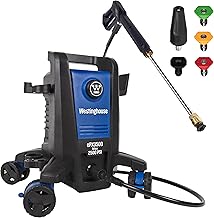
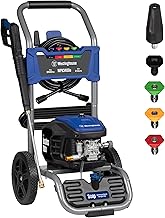
Westinghouse ePX3500
The most well-rounded pick here, pairing 2500 max PSI with 1.76 GPM, a pro-style steel wand, and a five-nozzle set that covers everything from delicate paint to concrete. The anti-tipping base and onboard soap tank make it genuinely pleasant to use on a weekend car wash rather than something you dread setting up.
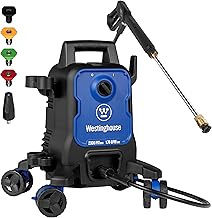
Westinghouse ePX3100
Essentially the ePX3500 dialed back to 2300 max PSI, which is arguably the ideal number for vehicles and painted surfaces. Same steel wand, same soap tank, same stable footprint, at a friendlier price for anyone whose primary job is cars and patio furniture rather than stripping a driveway.
Westinghouse WPX3400e
The heavy hitter, with 3400 max PSI, 2.0 GPM, and a brushless motor built for long sessions. Choose this if your washer needs to handle fences, siding, and hardscape in addition to the car, and commit to using the wide-angle tip and a respectful working distance on paint.
Sun Joe SPX3000
A long-running favorite for good reason: 2500 max PSI, dual detergent tanks so you can switch between soap and wheel cleaner without dumping either, and a horizontal cart design that rolls easily. It is the value benchmark, and it still holds up.
Pressure Washer with Foam Cannon (Bright Green)
The compact option, bundling four quick-connect nozzles and a foam cannon that produces impressively thick lather for the price. Best suited to apartment dwellers and small garages where storage space is the real constraint.
Frequently Asked Questions
Can a pressure washer damage car paint?
Yes, if misused. Stick to a 40-degree white or 25-degree green nozzle, hold the tip twelve to eighteen inches away, and never aim a zero-degree red tip at a vehicle. Used correctly, a pressure washer is gentler than a contact wash with a dirty mitt.
Do I need a foam cannon?
Not strictly, but it is the single upgrade that most improves results. Pre-soaking with clinging foam loosens grit so your wash mitt glides instead of grinding, which is how swirl marks form in the first place.
How much PSI is enough?
Around 1900 to 2300 PSI handles a dirty vehicle comfortably. Anything above that is about versatility for other surfaces, not better car cleaning.
Can I use one on outdoor furniture?
Yes, with care. Aluminum, resin wicker, and powder-coated steel tolerate a wide-angle tip well. Drop the pressure and increase distance for teak and other softwoods to avoid raising the grain.
Final Thoughts
For most people, the Westinghouse ePX3100 hits the ideal balance of pressure, flow, and stability for automotive work. Step up to the ePX3500 if you want extra headroom and a fuller nozzle set, or the Westinghouse WPX3400e if the washer needs to serve the whole property with a brushless motor built to keep going.