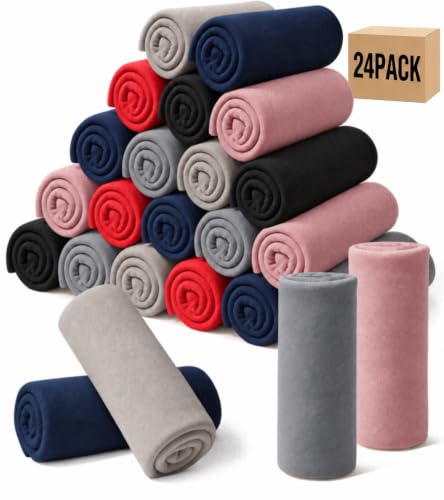
The best fleece blanket depends on how warm and how heavy you want it: lightweight microfleece such as Bedsure and Utopia Bedding throws suit couches and kids’ rooms, sherpa-backed fleece suits cold nights, and plaid fleece from brands such as L.L.Bean suits cabins and outdoor use. This guide compares the main fleece types by weight, softness, care and size so you can match a blanket to the room and the season.
Our top picks


As an Amazon Associate we earn from qualifying purchases at no extra cost to you.
Fleece Blankets at a Glance
| Type / example | Best for | Key stated features | Limits |
|---|---|---|---|
| Microfleece (Bedsure, Utopia Bedding style) | Couch throws, kids, layering | Lightweight polyester, soft brushed surface, many colors | Less warm than heavy types; can create static |
| Flannel fleece | Everyday warmth | Soft, slightly heavier, often printed | May pill after many washes |
| Sherpa-backed fleece | Cold nights | Fleece on one side, textured lamb-like pile on the other | Bulkier; wash separately |
| Plush or minky fleece | Soft feel, gifts | Dense, silky pile | Can shed at first |
| Plaid or heavyweight fleece (L.L.Bean style) | Cabins, camping, picnics | Thicker fleece, durable edges | Heavier; may cost more |
| Fleece throws for travel (Polartec-style fabric) | Car, plane, outdoors | Polartec is a fleece fabric brand; makers may list recycled content | Smaller sizes; fewer colors |
What Is Fleece?
Fleece is a soft, napped fabric usually made from polyester. It was developed as a lightweight, synthetic alternative to wool, and it traps air to give warmth without much weight. Polartec, the brand that popularized the fabric for outdoor clothing, also supplies materials for blankets. Fleece generally dries quickly and does not absorb much moisture, which makes it easy to wash and handy for outdoor use.
The downsides are that polyester fleece is less breathable than natural fibers, can generate static, and may pill with repeated washing. Some makers also note that fleece sheds microfibers in the wash, so washing in a bag designed to catch them is an option for those who care about that.
Choosing by Weight and Warmth
Fleece weight is often described in grams per square meter (GSM). Makers vary in how they report it, so compare only like-for-like numbers. Lighter weights, in the lower hundreds of GSM, are suited to couch and shoulder use. Heavier weights offer more warmth but are bulkier to fold and wash.
- Lightweight: Easy to carry and layer; suited to spring and autumn.
- Midweight: A good all-round choice for a bed layer or throw.
- Heavyweight and sherpa-backed: Better for winter, cold bedrooms and cabins.
Size Guide
Makers list fleece blankets in throw, twin, full or queen, and king sizes. A throw, commonly around 50 by 60 inches, fits one person on a sofa. Bed-size blankets are used as a layer on top of sheets and a duvet. If you share a bed, choose a size larger than the mattress to avoid pulling. Check the dimensions the maker lists, since they vary between brands.
Brands and Lines Commonly Reviewed
Bedsure
Bedsure sells microfleece, flannel and sherpa blankets in many sizes and colors. The maker describes them as lightweight and soft, and reviewers often praise the value, while noting that heavier types may shed at first.
Utopia Bedding
Utopia Bedding offers fleece blankets in a range of sizes with a simple, plain appearance. They are commonly used in guest rooms and for layering.
L.L.Bean
L.L.Bean sells fleece throws and plaid fleece blankets suited to outdoor and cabin use, with a more traditional look. They are generally in the mid-range to premium tier.
Eddie Bauer and similar outdoor brands
Outdoor brands offer fleece blankets with a rugged look. Check the maker’s product page for fabric weight and care.
Cozy sherpa and plush lines
Several brands combine a fleece top with a sherpa back for extra warmth. These suit cold climates but are bulkier to wash and dry.
Care Tips
- Wash in cool or warm water on a gentle cycle, following the care label.
- Avoid fabric softener, which can coat the fibers and reduce softness, unless the maker says it is fine.
- Tumble dry on low or air dry. High heat can melt or flatten polyester fibers.
- Wash separately from items that shed lint, and shake out before the first use to reduce loose fibers.
- Keep fleece away from open flames, heaters and fireplaces. Polyester fabrics can melt or burn, so check the maker’s safety notes and use common sense.
Fleece is not a flame-retardant fabric. Do not use it near candles, space heaters or campfire sparks, and for children’s sleepwear and baby use follow the guidance of your local safety authority and pediatrician. Babies under one year should not sleep with loose blankets according to safe-sleep guidance from pediatric organizations.
Budget Tiers
| Tier | What to expect | Trade-off |
|---|---|---|
| Budget | Basic microfleece in many colors | Thin; may pill and shed faster |
| Mid-range | Flannel fleece, plush and sherpa-backed blankets from known brands | Bulkier; check the care label |
| Premium | Heavyweight fleece, outdoor brands, recycled or branded fabrics | Higher cost; suited to long-term use |
Pick X If…
| If you… | Pick |
|---|---|
| Want a light couch throw | Microfleece |
| Need extra warmth for winter | Sherpa-backed or heavyweight fleece |
| Camp or spend time outdoors | Plaid or heavyweight outdoor fleece |
| Want an easy-care gift | Plush or printed fleece throw |
| Sleep hot | A lightweight fleece, or consider cotton or linen instead |
| Have kids | Washable microfleece; follow the safe-sleep guidance for babies |
Alternatives
- Cotton or knit throws: More breathable than fleece and less prone to static.
- Wool blankets: Naturally warm and breathable, at a higher cost and with more careful washing.
- Weighted or electric blankets: Different categories with their own safety guidance; follow the maker’s manual.
Fleece Types Explained in More Detail
Microfleece versus polar fleece
Microfleece uses very fine fibers and is thinner and lighter, so it drapes easily and packs small. Polar fleece is thicker and has a deeper pile, which provides more warmth but takes longer to dry. Makers do not always use these terms consistently, so rely on the listed weight and description rather than the name.
Sherpa and minky finishes
Sherpa is a textured pile that imitates sheep wool, usually bonded to a fleece face. Minky is a very soft, dense short pile with a silky hand-feel. Both feel plush, but they trap more heat and can mat if washed hot. Wash them on gentle cycles and brush the pile once dry if the maker suggests it.
Recycled and branded fabrics
Some makers use recycled polyester for fleece and state the percentage on the product page. If this matters to you, look for a clear statement of the recycled content and any standard cited, instead of a general claim such as eco-friendly.
Using Fleece Around the Home
As a living room throw, a lightweight fleece in a neutral color keeps visual weight low and washes easily. As a bed layer, it works between the sheet and duvet in a cold bedroom, but may feel too warm in summer. For a guest room, a mid-weight blanket in a solid color is versatile. For pets, many owners choose fleece because hair is easier to shake off and the fabric tolerates frequent washing, though pet hair can cling to napped surfaces, so a lint roller is useful.
For outdoor and travel use, choose a blanket with a water-resistant backing only if the maker states it, since plain fleece does not block moisture. Pack it in a stuff sack and wash before long-term storage, which prevents odors.
Storing Fleece
Fold or roll the blanket and store it in a breathable bag or bin. Avoid hanging it by a corner, which can stretch the fabric. Keep it away from sharp velcro and rough zippers that snag the pile, which is a common cause of pulls.
Frequently Asked Questions
Is fleece a good material for blankets?
Yes, for lightweight warmth and easy care. It dries quickly and is generally inexpensive. It is less breathable than natural fibers, so hot sleepers may prefer cotton or a lighter option.
Why does my fleece blanket shed or pill?
New fleece often sheds loose fibers, and repeated washing can cause pilling. Washing before first use, avoiding high heat and using a gentle cycle can help. Cheaper, thinner fleece tends to pill sooner.
Can I wash a fleece blanket with other laundry?
It is better to wash it with similar fabrics, as fleece can attract lint. Follow the maker’s care label. Avoid fabric softener unless the label allows it.
Is fleece safe near a fire or heater?
Polyester fleece can melt or burn when exposed to flame or high heat. Keep it away from heaters, candles and fire pits, and follow the maker’s guidance.
What size fleece blanket should I buy?
A throw suits one person on a couch, while twin, full, queen and king sizes fit beds. If you share a bed, a size larger than the mattress reduces pulling. Check the maker’s listed dimensions.
Is fleece good for babies?
Soft blankets can be used for stroller or play use under supervision, but pediatric safe-sleep guidance says infants should not sleep with loose blankets. Ask your pediatrician for advice.
More from Amazon
Programs that pair well with the guide above. Offers and eligibility are set by Amazon and may change.
Collect the home and kitchen items you want in one registry that guests can shop from.
Create a wedding registrySet up recurring deliveries of everyday items on eligible products. Terms and savings are set by Amazon.
Explore Subscribe & SaveFree shipping on eligible items, Prime Video and more. Eligible new members can start with a free trial.
Start a Prime free trialAudiobooks and podcasts to listen to on the go. Eligible new members can start with a free trial.
Try Audible freeAs an Amazon Associate we earn from qualifying purchases.