Key takeaways
- Cleaning units, not PSI: Multiply PSI by GPM. A 3300 PSI machine at 2.5 GPM outperforms a 4000 PSI unit at 1.8 GPM on wide flatwork, because flow is what carries loosened grime away. Chase the product, not the headline number.
- Pump class: Axial pumps are sealed, maintenance-light, and fine for weekend use. Triplex plunger pumps run cooler, accept oil changes, and are rebuildable, which is the difference between a five-year tool and a fifteen-year one.
- Frame and wheels: Welded steel handles abuse; aluminum sheds weight and won’t rust on a damp trailer. Either way, look for pneumatic tires if your property involves gravel, lawn, or stairs.
- Hose length and quality: Twenty-five feet feels generous until you’re circling a detached garage. Flexible non-marring hose matters as much as reach when you’re working near white trim or finished concrete.
- Cold vs. hot water: Cold handles dirt, algae, and oxidation. Hot water is the only honest answer for kitchen grease, tar, and heavy equipment film. Budget accordingly, because heated units cost several times more.
What's inside
Curb appeal has a way of eroding quietly. The bluestone walkway goes gray, the cedar fence turns chalky, the powder-coated patio set collects a film nobody notices until it transfers to a white linen cushion. By the time you register it, a garden hose and a stiff brush are no longer part of the conversation. What you need is real hydraulic pressure, delivered by an engine that will still start on the first pull three seasons from now.
That last part is why Honda’s GX-series engines keep showing up on serious machines. They idle smoothly, tolerate neglect better than they deserve, and hold resale value in a category where most equipment gets scrapped. This guide covers six gas units built for homeowners with real square footage and contractors who bill by the job, from a 3300 PSI workhorse to a hot-water rig that dissolves grease on contact. Below you’ll find what actually matters in the spec sheet, followed by honest notes on each machine.
As an Amazon Associate we earn from qualifying purchases.




How to Choose a Gas Pressure Washer With Honda Engine (2026)
- Cleaning units, not PSI: Multiply PSI by GPM. A 3300 PSI machine at 2.5 GPM outperforms a 4000 PSI unit at 1.8 GPM on wide flatwork, because flow is what carries loosened grime away. Chase the product, not the headline number.
- Pump class: Axial pumps are sealed, maintenance-light, and fine for weekend use. Triplex plunger pumps run cooler, accept oil changes, and are rebuildable, which is the difference between a five-year tool and a fifteen-year one.
- Frame and wheels: Welded steel handles abuse; aluminum sheds weight and won’t rust on a damp trailer. Either way, look for pneumatic tires if your property involves gravel, lawn, or stairs.
- Hose length and quality: Twenty-five feet feels generous until you’re circling a detached garage. Flexible non-marring hose matters as much as reach when you’re working near white trim or finished concrete.
- Cold vs. hot water: Cold handles dirt, algae, and oxidation. Hot water is the only honest answer for kitchen grease, tar, and heavy equipment film. Budget accordingly, because heated units cost several times more.
The Best Gas Pressure Washers With Honda Engine (2026), Reviewed
SIMPSON PowerShot PS3228
The reference point for this category: a Honda GX200 paired with an AAA triplex pump, 3300 PSI at 2.5 GPM, and a welded steel frame that shrugs off tailgate loading. The 25-foot MorFlex hose stays supple in cold weather, which matters more than the spec sheet suggests when you’re wrapping up in November.
SIMPSON Aluminum Series ALH3425
Same GX200 and triplex pump as the PowerShot, but with a corrosion-resistant aluminum frame and a longer 35-foot hose, so you reposition the machine less often. The lighter build is the pick if you carry it up deck stairs or store it on a wall hook rather than a slab.
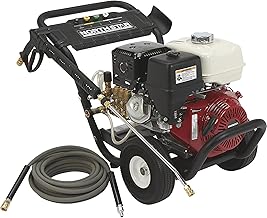
NorthStar 4200 PSI
A step into genuinely commercial cold-water territory: 4200 PSI at 3.5 GPM is enough to strip failing paint and etch concrete, so technique and nozzle discipline matter. Built for jobsite abuse, with the frame geometry and component access to match.
SIMPSON Aluminum Water Blaster ALWB60827
Four gallons per minute at 4200 PSI puts this among the most productive cold-water machines you can buy without a trailer, and the 50-foot hose means you cover a warehouse apron without moving it. Overkill for a suburban patio, ideal for property managers and fleet washing.
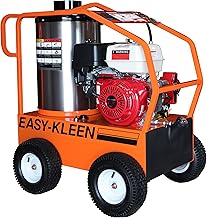
Easy-Kleen 4000 PSI Hot Water
A 13 HP Honda engine and a 12V diesel burner deliver heated output at 3.5 GPM, which is the only practical way to lift grease, tar, and animal fat from concrete. It’s a specialist purchase, and unmatched at the one thing cold machines can’t do.
Frequently Asked Questions
Is a Honda engine worth the premium?
For anything you plan to keep past year three, yes. Easy starting, quiet operation, and widely available parts are the practical benefits; the resale premium on used GX-powered equipment is the financial one.
What about the Westinghouse WPX3400?
It runs a Westinghouse engine rather than a Honda, but at 3400 PSI and 2.6 GPM with an onboard soap tank, it’s a sensible value alternative if the engine badge isn’t a dealbreaker.
Will these damage wood, siding, or furniture?
Easily. Start with the widest nozzle at maximum standoff distance, then work closer. On cedar, teak, and painted surfaces, stay above 1500 PSI effective and keep the tip moving.
What does “49-state compliant” mean?
The engine isn’t certified for sale in California. Buyers there need a CARB-compliant version of the same machine.
Final Thoughts
For most homeowners with a driveway, fence, and patio set to maintain, the SIMPSON PowerShot PS3228 is the right amount of machine and the easiest one to live with. Step up to the Aluminum Series ALH3425 if you want the extra hose reach and a lighter frame, and consider the Easy-Kleen hot-water unit only if grease is a recurring problem no cold machine has solved.