Key takeaways
- Material honesty: Look for solid brass or anodized aluminum at the connection points and trigger housing, not chrome-plated ABS. Plated plastic reads as metal in photos and cracks at the threads once it has been torqued a few times.
- Nozzle range: A single jet tip is limiting. Two-nozzle sets cover fan and pencil-jet duty, while three- and four-mode designs let you drop to a soft shower for planters, pets, and painted surfaces without swapping hardware mid-job.
- Connector quality: Quick-connect couplers are the difference between a tool you reach for and one that stays coiled in the garage. Check for a rubber O-ring rather than a bare plastic seat, and confirm the threads match standard 3/4-inch GHT hose ends.
- Wand length and balance: Longer lances reach second-story gutters and roof edges but get unwieldy when full of water. Anything over 30 inches should be aluminum or slim-profile to stay controllable one-handed.
- Realistic pressure expectations: These attachments multiply your existing line pressure through nozzle restriction; they don’t add a pump. If your home runs below 40 PSI at the spigot, prioritize a narrow-orifice jet tip over a multi-mode head.
What's inside
Exterior surfaces are the most overlooked part of a home’s design story. We spend months choosing a walnut sideboard or the right shade of clay plaster, then let algae creep across the patio pavers and film dull the front windows. The instinct is to buy a gas pressure washer, but for most homes that means a 30-pound machine, a storage problem, and enough force to strip paint off trim you carefully restored. Renters and apartment dwellers often can’t justify one at all.
Hose-end pressure attachments occupy the useful middle ground: they concentrate the water you already have into a focused jet strong enough for siding, gutters, wheel wells, and deck boards. The catch is that the category is crowded with hollow plastic wands and brass-look fittings that leak within a season. This guide covers what separates a durable attachment from a disposable one, then reviews the models worth your money in 2026.
As an Amazon Associate we earn from qualifying purchases.



How to Choose a Hose Attachment Pressure Washer (2026)
- Material honesty: Look for solid brass or anodized aluminum at the connection points and trigger housing, not chrome-plated ABS. Plated plastic reads as metal in photos and cracks at the threads once it has been torqued a few times.
- Nozzle range: A single jet tip is limiting. Two-nozzle sets cover fan and pencil-jet duty, while three- and four-mode designs let you drop to a soft shower for planters, pets, and painted surfaces without swapping hardware mid-job.
- Connector quality: Quick-connect couplers are the difference between a tool you reach for and one that stays coiled in the garage. Check for a rubber O-ring rather than a bare plastic seat, and confirm the threads match standard 3/4-inch GHT hose ends.
- Wand length and balance: Longer lances reach second-story gutters and roof edges but get unwieldy when full of water. Anything over 30 inches should be aluminum or slim-profile to stay controllable one-handed.
- Realistic pressure expectations: These attachments multiply your existing line pressure through nozzle restriction; they don’t add a pump. If your home runs below 40 PSI at the spigot, prioritize a narrow-orifice jet tip over a multi-mode head.
The Best Hose Attachment Pressure Washers (2026) Reviewed
DBR Tech 2-in-1 Heavy Duty Metal Wand
The most convincingly built option here, with a metal body that shrugs off the drop onto concrete that kills lighter wands. Its two-nozzle setup keeps the toolkit simple, and the fan spray is genuinely wide enough to make progress across a full patio rather than etching stripes into it.
2026 Upgraded Jet Nozzle Power Washer (Grey)
The three-nozzle system is the strongest argument for this one, moving cleanly from gutter blasting to a gentle rinse for wheels and window glass. The muted grey finish also reads better than the usual safety-orange plastic if the tool lives on an open hose reel by the front door.
Upgraded Jet Nozzle Washer Wand (Blue)
Functionally the sibling of the grey model with the same three tips and quick connectors, so pick on color and stock. Worth noting the quick-connect fittings are the standout component, letting you move between wand, sprinkler, and bare hose without unthreading anything.
Brass High Pressure Hose Nozzle
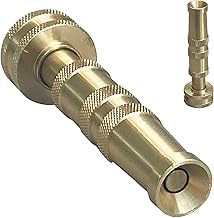
Not a wand but an adjustable brass nozzle, and the most sensible pick if you want one indestructible piece that lives permanently on the hose. Twist to dial from a soaking cone to a tight stream; there is no plastic in the pressure path to fail.
Hydro Jet Wand Lance (Blue)
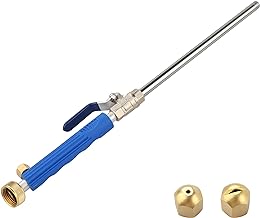
The extended lance geometry earns its place on homes with tall gutters or deep eaves, saving you a ladder trip. Best treated as a specialist reach tool rather than an everyday nozzle, since the length is more than you need for car washing.
Frequently Asked Questions
Can these replace a real pressure washer?
No, and it’s worth being clear about that. A gas or electric unit delivers 1,500 to 3,000 PSI; a hose attachment amplifies your household supply to somewhere in the low hundreds. That’s ample for dirt, pollen, cobwebs, and light algae, but not for stripping old paint or deep-set oil stains.
Will one work with low water pressure?
Partially. Narrow jet tips still produce a usable stream at modest supply pressure, but wide fan modes will feel weak. Removing any inline splitters or kink-prone coil hoses usually recovers more performance than upgrading the nozzle.
Can I use soap or detergent?
Only with models that include a dedicated soap reservoir or foam cannon attachment. Pouring cleaner into a standard jet nozzle risks clogging the orifice and voiding the warranty. For most jobs, pre-treating with a pump sprayer and rinsing with the jet works better anyway.
Are they safe on cars, windows, and pets?
Yes, provided you use the softest available mode and keep 12 to 18 inches of distance. Never point a pencil-jet tip at automotive paint, insulated glass seals, or an animal.
Final Thoughts
For most homes, the DBR Tech 2-in-1 Metal Wand is the buy: it’s the one built to survive several seasons of real use. If you want spray versatility for cars, planters, and glass, the 2026 Upgraded Jet Nozzle in grey covers more ground, and the Brass High Pressure Hose Nozzle is the low-maintenance choice for anyone who simply wants one durable fitting to leave on the hose year-round.