Key takeaways
- Seat depth and lumbar shape: Look for a seat deep enough to support the thigh without pressing the knee crease, paired with a backrest that curves rather than sits flat. Padded lumbar support is the single upgrade most people notice on hour four.
- Height versus canopy: Fifteen feet suits open hardwoods and gentler terrain; seventeen to twenty feet buys you cover and a steeper shot angle in thinner timber. Match the height to your trees, not to a number you read somewhere.
- Weight rating with gear included: A 300 lb capacity is total load, meaning body, pack, outerwear, and optics. If you are near the limit dressed for December, size up to a 375 lb or two-person rated frame.
- Noise engineering: Steel-on-steel contact points are where stands give you away. Prioritize models with coated or dampened joints, rubber-lined rails, and flip-back components that move quietly under load.
- Assembly and transport: Stacking or sectional ladder systems break down into manageable pieces one person can carry. A single-piece 20-footer is a two-person job, every time, without exception.
What's inside
A ladder stand lives a strange double life. It is equipment, but it is also a place you sit for six hours before sunrise, which makes it furniture in every meaningful sense. Buyers usually discover this the hard way: the stand goes up in October, feels fine for twenty minutes, and by the third weekend the seat edge is cutting into the back of the legs, the rail sits at the wrong height, and every shift in weight announces itself to the whole treeline. The specs on the box rarely predict any of that.
This guide approaches ladder stands the way we would approach any seating decision: geometry first, then materials, then hardware. Below you will find current picks spanning single-person platforms, two-person builds, and one work platform accessory worth knowing about if your ladder time happens closer to the gutters than the timber. Each one is assessed on how it actually holds a body over a long sit.
As an Amazon Associate we earn from qualifying purchases.


How to Choose a Ladder Stand (2026)
- Seat depth and lumbar shape: Look for a seat deep enough to support the thigh without pressing the knee crease, paired with a backrest that curves rather than sits flat. Padded lumbar support is the single upgrade most people notice on hour four.
- Height versus canopy: Fifteen feet suits open hardwoods and gentler terrain; seventeen to twenty feet buys you cover and a steeper shot angle in thinner timber. Match the height to your trees, not to a number you read somewhere.
- Weight rating with gear included: A 300 lb capacity is total load, meaning body, pack, outerwear, and optics. If you are near the limit dressed for December, size up to a 375 lb or two-person rated frame.
- Noise engineering: Steel-on-steel contact points are where stands give you away. Prioritize models with coated or dampened joints, rubber-lined rails, and flip-back components that move quietly under load.
- Assembly and transport: Stacking or sectional ladder systems break down into manageable pieces one person can carry. A single-piece 20-footer is a two-person job, every time, without exception.
The Best Ladder Stands (2026) Reviewed
Muddy Skybox Deluxe 20′ Ladder Stand
The Skybox is the closest thing in this category to a proper elevated room: an enclosed-feeling 20-foot build with a genuinely wide platform and an adjustable padded shooting rail that lets you set your own shooting geometry. It is the pick for anyone who hunts long sessions and wants the stand to disappear beneath them.
Hawk Big Denali Ladderstand
Hawk’s stacking ladder system makes the Denali the most cooperative large stand here to haul and erect, and the wide seat with full backrest earns its name across a cold morning. The integrated weapon holder is a small detail that keeps your hands free at exactly the wrong moment to be fumbling.
Muddy Huntsman Deluxe 17′ Single Stand
At 17 feet with a 300 lb rating, the Huntsman Deluxe hits the practical middle of the market, and the lumbar-supported seat is better than the price suggests. Muddy’s silencer treatment on the contact points is what separates it from generic steel ladder stands at similar heights.
Muddy Partner 2-Person 17′ Stand
The Partner is built for shared sits, mentoring a new hunter, or filming, with a platform wide enough that two people are not negotiating footspace. Included straps and a safety harness make it a complete setup rather than a frame you still have to outfit.
Little Giant Work Platform 10104
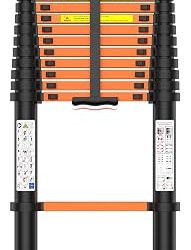
Not a tree stand, but the most useful ladder accessory on this list for home projects: a flat, anti-fatigue standing platform with a tool tray, rated to 375 lb and sized for multi-position ladders. It converts an hour of rung-balancing into something closer to standing on a step.
Frequently Asked Questions
How high should a ladder stand be?
Most hunters land between 15 and 20 feet. Lower stands work in dense cover where the surrounding foliage breaks your outline; taller stands are for open woods where you need elevation to stay out of sightlines and scent cones.
Do I need a safety harness?
Yes, always, and it should be worn from the ground up. Use a full-body harness with a lifeline so you are attached during the climb, which is when the majority of falls happen.
Can one person set up a ladder stand?
Sectional stands in the 15 to 17 foot range are manageable solo with a ratchet strap and patience. Anything at 20 feet or two-person width should be treated as a two-person installation for safety reasons.
How often should stands be inspected?
Check straps, welds, and fasteners before every season and again mid-season. Ratchet straps degrade under UV exposure and should be replaced every year or two regardless of how they look.
Final Thoughts
For long sits with real comfort, the Muddy Skybox Deluxe is the most complete build here, while the Hawk Big Denali offers the best balance of wide seating and manageable setup. If you are sharing the stand, the Muddy Partner handles two people without compromise.