Key takeaways
- Pressure range over peak PSI: Softwoods like pine and cedar clean beautifully around 500 to 800 PSI, hardwoods and composite closer to 1200 to 1500. What you want is a machine that can dial down cleanly, not one that only knows how to hit hard. A 2100 to 2500 PSI electric with good nozzle selection is far safer on boards than a 4000 PSI unit held at arm’s length.
- Nozzle set, especially the wide fans: The 25 degree green and 40 degree white tips do all your deck work. A zero degree red tip will carve visible stripes into cedar in under a second, so treat its inclusion as a bonus for concrete, never a deck tool. Multi-nozzle kits give you the range to move from railing to riser to stair tread without compromise.
- Detergent delivery: Deck cleaning is chemistry first, pressure second. An onboard soap tank or a foam cannon lets you dwell a wood-safe cleaner on the boards for several minutes, lifting mildew so you can rinse at gentle pressure rather than blast it away.
- Reach and stability: Long hose and cord runs mean fewer interruptions, and fewer interruptions mean more consistent passes and less streaking. Anti-tip wheelbases and low centers of gravity matter more than they sound when you are working around planters and furniture legs.
- Electric or gas: Electric wins for townhouse decks, balconies, and anyone who values quiet and instant starts. Gas earns its keep on large decks, remote yards without an outlet, or when you are also tackling driveways and siding in the same weekend.
What's inside
A deck is the one surface in your home that never gets a break. It absorbs summer sun, winter damp, spilled rosé, pollen drifts, and the slow green creep of algae in every shaded corner. By the time most people notice, the boards have gone from warm honey to flat gray, and no amount of scrubbing with a stiff brush brings back the grain. The instinct is to reach for the most powerful pressure washer available. That instinct is usually what ruins the deck.
Wood is soft, and pressure is unforgiving. The right machine for deck cleaning is not the strongest one on the shelf, it is the one you can control: adjustable pressure, a wide fan nozzle, a steady stance, and enough reach to work a full span without dragging the unit behind you. This guide breaks down what actually matters for timber, composite, and painted decking in 2026, then walks through the models worth your money, from compact electrics that live happily in a garage corner to gas units built for large multi-level builds.
As an Amazon Associate we earn from qualifying purchases.




How to Choose a Pressure Washer For Deck Cleaning (2026)
- Pressure range over peak PSI: Softwoods like pine and cedar clean beautifully around 500 to 800 PSI, hardwoods and composite closer to 1200 to 1500. What you want is a machine that can dial down cleanly, not one that only knows how to hit hard. A 2100 to 2500 PSI electric with good nozzle selection is far safer on boards than a 4000 PSI unit held at arm’s length.
- Nozzle set, especially the wide fans: The 25 degree green and 40 degree white tips do all your deck work. A zero degree red tip will carve visible stripes into cedar in under a second, so treat its inclusion as a bonus for concrete, never a deck tool. Multi-nozzle kits give you the range to move from railing to riser to stair tread without compromise.
- Detergent delivery: Deck cleaning is chemistry first, pressure second. An onboard soap tank or a foam cannon lets you dwell a wood-safe cleaner on the boards for several minutes, lifting mildew so you can rinse at gentle pressure rather than blast it away.
- Reach and stability: Long hose and cord runs mean fewer interruptions, and fewer interruptions mean more consistent passes and less streaking. Anti-tip wheelbases and low centers of gravity matter more than they sound when you are working around planters and furniture legs.
- Electric or gas: Electric wins for townhouse decks, balconies, and anyone who values quiet and instant starts. Gas earns its keep on large decks, remote yards without an outlet, or when you are also tackling driveways and siding in the same weekend.
The Best Pressure Washer For Deck Cleaning (2026)s Reviewed
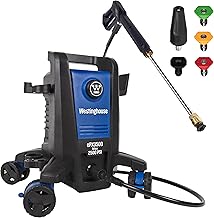
Westinghouse ePX3500
The most balanced pick here for wood: 2500 max PSI with a five-nozzle set, an onboard soap tank, and a pro-style steel wand that keeps your spray angle steady over long passes. Anti-tipping geometry means it stays put while you work around deck furniture instead of toppling every time the hose tugs.
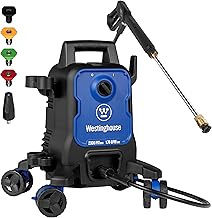
Westinghouse ePX3100
Essentially the ePX3500 with the ceiling brought down to 2300 PSI, which is arguably the friendlier number for cedar and pine. Same steel wand, same soap tank, same five tips, and it remains the one I would hand to a first-time deck owner without a word of warning.
AIVOLT 4800PSI Electric Pressure Washer
This is the reach-and-power option, with a 36-foot cable, 25-foot hose, four nozzles, and a foam cannon on a stable four-wheel base. Its headline pressure is well beyond what any deck needs, so commit to the 40 degree tip and a generous standoff distance, then enjoy the fact that it will also strip your driveway in the same session.
4200PSI Gas Pressure Washer 4.0GPM
A 212cc commercial-grade machine with 4.0 GPM flow, a 32-foot hose, and five nozzles, EPA and CARB certified. High flow rinses a large deck remarkably fast, but this is a tool for confident hands and wide fan tips only, and it shines most on sprawling decks paired with fencing and hardscape work.
Westinghouse ePX3100v
The most apartment-friendly of the group, at 2100 max PSI with a built-in carry handle, three nozzles, and a detachable foam cannon. For small decks, balconies, and stair landings where storage space is the real constraint, its lower pressure ceiling is a feature rather than a limitation.
Frequently Asked Questions
What PSI is safe for a wood deck?
Start at 500 to 800 PSI for softwoods such as pine and cedar, and up to about 1200 to 1500 PSI for hardwoods and composite. Always test on an inconspicuous board first, keep the tip 8 to 12 inches away, and move with the grain in overlapping sweeps.
Will a pressure washer damage composite decking?
It can, and the damage tends to show as a dulled or fuzzed surface rather than gouges. Check your manufacturer’s stated maximum, usually around 1500 PSI, use a 40 degree tip, and lean on detergent and dwell time instead of pressure.
Do I need gas or is electric enough?
For the vast majority of residential decks, electric is not just enough, it is preferable. Gas makes sense when you have several hundred square feet to cover, no convenient outlet, or a broader list of exterior jobs queued up.
Can I stain the deck right after washing?
No. Give the boards 24 to 48 hours of dry weather so trapped moisture can escape, otherwise the finish will not bond and you will see blotching and early peeling. If the wood raised any fuzz, a light sanding before staining pays off.
Final Thoughts
For most decks, the Westinghouse ePX3500 is the pick that gets the balance right, with the ePX3100 a smart step down if your boards are soft and you want a lower ceiling by default. If you need serious reach and plan to clean driveways and siding in the same afternoon, the AIVOLT 4800PSI delivers that flexibility, provided you commit to a wide fan tip and a respectful distance from the wood.