Key takeaways
- Pressure: For paintwork, moderate pressure is usually more useful than maximum pressure; a wider nozzle and sensible distance help reduce the risk of damaging trim, seals, or decals.
- Flow rate: Higher gallons per minute can rinse soap and loosened grime faster, while lower-flow electric units are often easier to manage for routine car washing.
- Power source: Electric models are quieter, lighter, and convenient near an outlet; gas machines offer greater output and freedom from extension cords but require fuel, ventilation, and more maintenance.
- Attachments: A foam cannon, onboard detergent tank, multiple quick-connect nozzles, and a long hose can make the difference between a tidy wash and a frustrating setup.
- Handling: Look for stable wheels, a comfortable spray gun, organized accessory storage, and a frame or base that will not constantly shift while you work.
What's inside
Washing a vehicle at home sounds simple until a machine proves too aggressive for delicate trim, too weak for road film, or awkward to move around a driveway. The best pressure washer for vehicles balances controlled cleaning power with a manageable form factor, practical accessories, and enough reach to work around a full-size car.
This guide compares standout electric and gas models for everything from occasional car care to regular driveway and fleet-duty cleaning. We focus on pressure control, flow rate, mobility, hose and nozzle setups, and the foam-friendly features that make a safer vehicle-washing routine easier to build.
As an Amazon Associate we earn from qualifying purchases.


How to Choose a Pressure Washer For Vehicles (2026)
- Pressure: For paintwork, moderate pressure is usually more useful than maximum pressure; a wider nozzle and sensible distance help reduce the risk of damaging trim, seals, or decals.
- Flow rate: Higher gallons per minute can rinse soap and loosened grime faster, while lower-flow electric units are often easier to manage for routine car washing.
- Power source: Electric models are quieter, lighter, and convenient near an outlet; gas machines offer greater output and freedom from extension cords but require fuel, ventilation, and more maintenance.
- Attachments: A foam cannon, onboard detergent tank, multiple quick-connect nozzles, and a long hose can make the difference between a tidy wash and a frustrating setup.
- Handling: Look for stable wheels, a comfortable spray gun, organized accessory storage, and a frame or base that will not constantly shift while you work.
The Best Pressure Washer For Vehicles (2026)s Reviewed
Westinghouse ePX3500
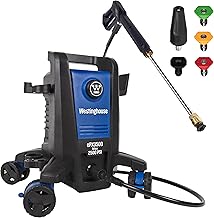
The Westinghouse ePX3500 is a well-rounded electric option for homeowners who want a compact machine with useful vehicle-washing features. Its anti-tipping design, onboard soap tank, steel wand, and five-nozzle set make it especially appealing for controlled cleaning around cars, patios, and smaller driveways.
Bright Green Power Washer
This Bright Green pressure washer is a straightforward choice for light-to-moderate home cleaning, with four quick-connect nozzles and a foam cannon included. It suits shoppers seeking a versatile starter setup for cars and outdoor surfaces without stepping up to a larger gas-powered frame.
DeWalt DXPW3300-S
The DeWalt DXPW3300-S brings gas-powered output to homeowners who regularly clean vehicles, concrete, fencing, or larger outdoor areas. Its AAA axial cam pump, 25-foot hose, ergonomic spray gun, and five-nozzle selection provide a practical blend of reach and versatility for more demanding chores.
Simpson Aluminum Series ALH3425
Designed with heavier-duty work in mind, the Simpson ALH3425 pairs a Honda GX200 engine with a triplex pump, a 35-foot hose, and a sturdy aluminum-series frame. It is a strong fit for professionals or property owners who want substantial cleaning capacity, though its size and gas-powered operation are more than most occasional car washers need.
Greenworks 2100 PSI Electric
The Greenworks 2100 PSI electric pressure washer is a sensible pick for routine vehicle care, especially when quiet operation and simple storage matter. Its moderate output is better aligned with controlled residential cleaning than with large-scale surface restoration, making it approachable for regular weekend use.
Frequently Asked Questions
What pressure washer strength is best for washing a car?
A moderate electric pressure washer is generally sufficient for vehicle washing. The nozzle, spray distance, and technique matter as much as the advertised PSI, so begin with a wider spray pattern and avoid directing concentrated spray at seals, sensors, or damaged paint.
Is an electric or gas pressure washer better for vehicles?
Electric models are usually the more convenient choice for personal vehicles because they are quieter, easier to start, and simpler to store. Gas models make more sense when you also need to clean large driveways, equipment, trailers, or multiple vehicles regularly.
Do I need a foam cannon?
A foam cannon is not essential, but it can improve the pre-wash stage by coating the vehicle with soapy solution. Let the soap help loosen surface grit before rinsing, then use a clean wash mitt if further contact cleaning is needed.
Can a pressure washer damage car paint?
It can if used carelessly. Keep the spray moving, maintain a reasonable distance, choose an appropriate nozzle, and avoid forcing water into door seals, wheel bearings, electrical connectors, chipped paint, or existing body damage.
Final Thoughts
For most households, the Westinghouse ePX3500 is a polished all-purpose choice, while the Greenworks 2100 PSI offers a simpler electric route for regular car care. If your cleaning list extends well beyond vehicles, the DeWalt DXPW3300-S delivers more substantial gas-powered capability, and the Simpson ALH3425 is the specialist pick for demanding professional workloads.