Key takeaways
- Pressure range: Aim for 1,600 to 2,300 PSI for automotive work. That band clears bug splatter and brake dust without risking clearcoat, and a wider nozzle tip lets you dial it down further for wheels and glass.
- Foam delivery: A dedicated foam cannon produces thick, clinging suds that lift dirt before your mitt touches paint. Onboard soap tanks are more convenient but generally give a thinner mix — decide which matters more to your routine.
- Nozzle set: Look for at least three tips, with a 40-degree included. Skip the zero-degree pencil jet on anything painted; it belongs on concrete, not sheet metal.
- Reach and hose management: Twenty-five feet is workable, thirty-plus is comfortable for a full-size vehicle. An integrated reel prevents the tangled coil that ends up scraping across your rocker panels.
- Footprint and stability: Vertical units with anti-tip design stay upright when the hose pulls taut. If storage is tight, prioritize a carry handle and a shape that tucks against a wall.
What's inside
Washing a car at home sits in an awkward gap. A garden hose doesn’t have the muscle to lift road film off a clearcoat, and the commercial tunnel down the street drags spinning brushes across paint you’ve spent years keeping straight. What most people actually want is a machine with enough pressure to strip grime and enough restraint to leave the finish alone — and that combination is harder to shop for than the spec sheets suggest. Higher PSI is not automatically better here. Past a certain point it becomes a liability around trim, badges, and older paint.
This guide looks at pressure washers through the lens of car care specifically: foam quality, nozzle range, hose length, and how the unit behaves parked in a garage that also has to hold a car. We’ve grouped picks by the way people actually clean — full driveway sessions, quick weekly rinses, and apartment setups with no outdoor spigot in sight. Each recommendation below is chosen for control first, raw output second.
As an Amazon Associate we earn from qualifying purchases.



How to Choose a Pressure Washer For Washing Cars (2026)
- Pressure range: Aim for 1,600 to 2,300 PSI for automotive work. That band clears bug splatter and brake dust without risking clearcoat, and a wider nozzle tip lets you dial it down further for wheels and glass.
- Foam delivery: A dedicated foam cannon produces thick, clinging suds that lift dirt before your mitt touches paint. Onboard soap tanks are more convenient but generally give a thinner mix — decide which matters more to your routine.
- Nozzle set: Look for at least three tips, with a 40-degree included. Skip the zero-degree pencil jet on anything painted; it belongs on concrete, not sheet metal.
- Reach and hose management: Twenty-five feet is workable, thirty-plus is comfortable for a full-size vehicle. An integrated reel prevents the tangled coil that ends up scraping across your rocker panels.
- Footprint and stability: Vertical units with anti-tip design stay upright when the hose pulls taut. If storage is tight, prioritize a carry handle and a shape that tucks against a wall.
The Best Pressure Washers For Washing Cars (2026) Reviewed
Westinghouse ePX3500 Electric Pressure Washer
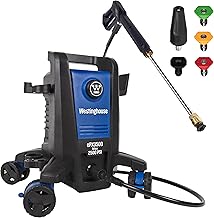
At 2,500 max PSI with 1.76 GPM, this is the most capable of the Westinghouse line and the one to choose if the car is only part of the job. The pro-style steel wand and five-nozzle set give genuine range, and the anti-tipping build means it stays planted when you tug the hose around a wheel arch.
Westinghouse ePX3100 Electric Pressure Washer
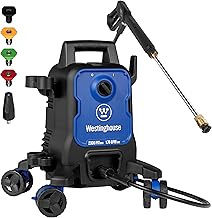
The 2,300 PSI middle sibling is arguably the sweet spot for automotive use — enough force for caked-on winter salt, not so much that you’re second-guessing yourself near trim. The onboard soap tank keeps the setup simple, which matters when you’re washing weekly rather than seasonally.
Westinghouse ePX3100v Electric Pressure Washer
Dialed back to 2,100 PSI and paired with a detachable foam cannon, this version is the gentlest of the three and the easiest to justify for a paint-first owner. The built-in carry handle and three-nozzle set keep it uncomplicated, though you lose some versatility for heavier patio and fence work.
Cordless Portable Washer with 4.0Ah Batteries
1,450 PSI from a battery pack won’t replace a corded machine, but it solves a real problem: no outlet, no spigot, no problem. Two 4.0Ah batteries and a 6-in-1 nozzle make this the practical answer for street parking, apartment garages, and trailhead cleanups.
Power Washer with Foam Cannon and 33ft Hose Reel
The 33-foot reeled hose is the headline feature here — you can circle a sedan without repositioning the unit once, which is a bigger quality-of-life upgrade than most buyers expect. Treat the high-end pressure claim as marketing and stick to the wider tips on paint.
Frequently Asked Questions
How much PSI is safe for car paint?
Stay between 1,200 and 2,300 PSI, keep the wand roughly a foot from the surface, and use a 40-degree tip. Damage typically comes from getting too close or using too narrow a spray, not from the machine’s rating alone.
Do I need a foam cannon or is a soap tank enough?
A soap tank is fine for maintenance washes. A foam cannon is worth it if your car sees real dirt, since thick foam does the loosening work so your mitt drags less grit across the finish.
Can I use a cordless model for a full wash?
For a single vehicle with two batteries, generally yes — expect to swap packs partway through. Cordless units draw from a bucket, so plan on refilling as well.
Electric or gas for home car washing?
Electric, almost always. It’s quieter, lighter, needs no fuel maintenance, and gas units produce more pressure than any car detail requires.
Final Thoughts
For most owners, the Westinghouse ePX3100 hits the right balance of pressure, convenience, and stability for regular car washing, while the ePX3500 makes more sense if you’re also tackling driveways and siding. If you’re working without a hookup, the cordless 1,450 PSI handheld is the pick that actually fits the constraint rather than fighting it.