Key takeaways
- Read PSI and GPM together: PSI breaks the bond between dirt and surface; GPM carries the debris away. A 2000 PSI machine at 1.7 GPM will finish a patio faster than a 3000 PSI machine at 1.0 GPM, so treat flow as the second half of the spec, not a footnote.
- Match pressure to material: Roughly 1200–1600 PSI for painted or sealed furniture and composite decking, 1600–2300 PSI for vinyl siding and fencing, and 2500–3400 PSI for concrete, brick, and driveway staining. Nozzle choice and standoff distance matter as much as the rating itself.
- Be skeptical of extreme ratings: Household outlets cap what an electric motor can physically deliver. Listings advertising 5000 PSI are quoting peak or theoretical figures, not sustained working pressure, and real output typically lands closer to the 2000 PSI class. Adjustable models are still useful; just buy them for the low end of the dial, not the headline.
- Choose electric for finishes, gas for acreage: Electric units are quieter, lighter, and easier to modulate around furniture and glass. Gas engines deliver genuinely higher sustained pressure and flow for long driveways, retaining walls, and paint prep.
- Look at soap delivery and storage: An onboard detergent tank or foam cannon does more for furniture cleaning than raw pressure, since dwell time loosens grime chemically. Hose reels, wand storage, and a real carry handle decide whether the machine gets used or stays in the corner.
What's inside
Spec sheets for pressure washers have turned into a numbers arms race, and PSI is the number doing all the shouting. It is an easy figure to compare and an easy one to misread, because the pressure that blasts algae off a concrete paver is the same pressure that will lift finish off a painted Adirondack chair, fuzz the grain on a teak dining set, or drive water behind the seams of a powder-coated aluminum frame. Buyers who furnish outdoor rooms as carefully as interior ones tend to discover this the hard way, one ruined slat at a time.
This guide reframes PSI as a range to match rather than a score to maximize. Below you will find the models worth considering in 2026, a short framework for reading pressure and flow together, and honest notes on which units are built for hardscape versus which ones belong near furniture. The picks span electric and gas, apartment patios and full driveways, so you can buy for the surfaces you actually own.
As an Amazon Associate we earn from qualifying purchases.



How to Choose a Pressure Washer by PSI (2026)
- Read PSI and GPM together: PSI breaks the bond between dirt and surface; GPM carries the debris away. A 2000 PSI machine at 1.7 GPM will finish a patio faster than a 3000 PSI machine at 1.0 GPM, so treat flow as the second half of the spec, not a footnote.
- Match pressure to material: Roughly 1200–1600 PSI for painted or sealed furniture and composite decking, 1600–2300 PSI for vinyl siding and fencing, and 2500–3400 PSI for concrete, brick, and driveway staining. Nozzle choice and standoff distance matter as much as the rating itself.
- Be skeptical of extreme ratings: Household outlets cap what an electric motor can physically deliver. Listings advertising 5000 PSI are quoting peak or theoretical figures, not sustained working pressure, and real output typically lands closer to the 2000 PSI class. Adjustable models are still useful; just buy them for the low end of the dial, not the headline.
- Choose electric for finishes, gas for acreage: Electric units are quieter, lighter, and easier to modulate around furniture and glass. Gas engines deliver genuinely higher sustained pressure and flow for long driveways, retaining walls, and paint prep.
- Look at soap delivery and storage: An onboard detergent tank or foam cannon does more for furniture cleaning than raw pressure, since dwell time loosens grime chemically. Hose reels, wand storage, and a real carry handle decide whether the machine gets used or stays in the corner.
The Best Pressure Washers by PSI (2026), Reviewed
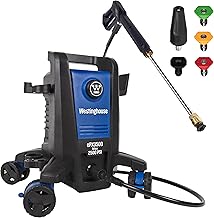
Westinghouse ePX3500
The most balanced electric pick here: 2500 max PSI paired with 1.76 GPM covers driveways without overwhelming siding, and the anti-tipping base plus pro-style steel wand make it feel far more composed than typical plastic-bodied units. The onboard soap tank and five-nozzle set give you enough range to move from a stone terrace to a teak bench in one session.
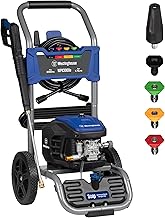
Westinghouse WPX3400
Gas power for properties where an extension cord is the limiting factor, delivering 3400 PSI at 2.6 GPM for genuine hardscape and paint-prep work. It is loud and heavy by design, so treat it as a driveway and fence machine and step down to a wide nozzle before it goes anywhere near furniture.
Westinghouse WPX3000e
An induction motor is the headline feature, running cooler and quieter than the universal motors in most electrics and holding up better over repeat seasons. At 3000 max PSI and 1.76 GPM it sits at the upper edge of what electric can sensibly do, making it the sweet spot for homeowners who want gas-adjacent numbers without the maintenance.
Westinghouse ePX3100v
At 2100 max PSI this is the gentlest Westinghouse in the lineup, which makes it the most furniture-friendly. The detachable foam cannon handles cushions frames and vehicles with dwell time rather than force, and the built-in carry handle suits balconies, courtyards, and anyone without a garage to store gear in.
5000 PSI Power Washer with 33ft Hose Reel
Treat the pressure claim as marketing and judge it on convenience: the 33-foot hose on an integrated reel, four nozzle tips, foam cannon, and soap bottle make it a tidy, low-friction option for cars, decks, and patio sets. It is a budget performer for maintenance cleaning, not a substitute for a gas unit on stained concrete.
Frequently Asked Questions
What PSI is safe for outdoor furniture?
Stay between roughly 1200 and 1600 PSI, use a 25- or 40-degree nozzle, and keep the tip at least a foot from the surface. For teak and other soft woods, work with the grain and let detergent do the lifting.
Are 5000 PSI electric pressure washers legitimate?
Not as sustained output. Standard 120V circuits cannot support that figure, so those numbers reflect peak or calculated values. Buy those models for their adjustability, hose length, and accessories.
Electric or gas for a typical suburban home?
Electric handles the majority of routine work, including siding, fencing, cars, and furniture. Gas earns its place if you have long driveways, extensive masonry, or annual paint prep.
Do I need a surface cleaner attachment?
For large flat concrete it is worth it, since it distributes pressure evenly and eliminates the striping that wand passes leave behind. It offers little benefit on furniture or vertical surfaces.
Final Thoughts
For most homes furnished with an outdoor room in mind, the Westinghouse ePX3500 is the right center of gravity: enough pressure for hardscape, enough control for finished pieces. Step up to the WPX3000e if you want the durability of an induction motor, and reserve the gas-powered WPX3400 for larger properties where sustained flow matters more than quiet operation.