Key takeaways
- Height versus reach: Add roughly four feet to the top standing step for realistic overhead reach. A three-step stool handles most interior shelving and light fixtures; anything involving ceilings, gutters, or crown molding wants five steps or a six-foot frame.
- Load rating with margin: Rated capacity covers you plus tools, paint, and the momentum of shifting your weight. Treat 300 pounds as the floor and read the number as headroom, not a target.
- Pedal depth and texture: Wide, ribbed or perforated pedals let you stand flat-footed instead of balancing on an edge. This single detail separates a ladder you trust from one you tolerate, especially in socks or soft-soled shoes.
- Locking and folding action: Look for a positive lock that snaps audibly and a fold that collapses to four inches or less. Slim folded depth is what determines whether it slides beside the fridge or lives permanently in the hallway.
- Material and finish: Powder-coated steel gives you rigidity and a matte finish that suits contemporary interiors. Fiberglass is non-conductive and the correct choice for any work near live wiring. Bare aluminum is light but reads utilitarian indoors.
What's inside
Ladders occupy an odd place in the home. You need one roughly twice a month, for the top shelf of the pantry, the smoke detector that chirps at 2 a.m., the gallery wall you keep meaning to hang straight, and then it has to disappear again. Most buyers end up with the wrong tool for the job: a wobbly two-step that leaves them stretching, or a contractor-grade aluminum beast that lives in the garage because it looks wrong leaning against a plaster wall. The result is the thing nobody admits to, standing on a dining chair.
This guide approaches step ladders the way we approach any other piece of household hardware that has to live in a real room: on the merits of build quality, footprint when folded, and whether it reads as intentional rather than borrowed. Below are our picks for 2026, spanning slim three-step stools for kitchens and closets, taller platform models with handrails for garages and painting work, and one fiberglass classic for anyone working near electrical. We look at load ratings, pedal width, locking mechanisms, and how each one behaves in storage.
As an Amazon Associate we earn from qualifying purchases.


How to Choose a Step Ladder (2026)
- Height versus reach: Add roughly four feet to the top standing step for realistic overhead reach. A three-step stool handles most interior shelving and light fixtures; anything involving ceilings, gutters, or crown molding wants five steps or a six-foot frame.
- Load rating with margin: Rated capacity covers you plus tools, paint, and the momentum of shifting your weight. Treat 300 pounds as the floor and read the number as headroom, not a target.
- Pedal depth and texture: Wide, ribbed or perforated pedals let you stand flat-footed instead of balancing on an edge. This single detail separates a ladder you trust from one you tolerate, especially in socks or soft-soled shoes.
- Locking and folding action: Look for a positive lock that snaps audibly and a fold that collapses to four inches or less. Slim folded depth is what determines whether it slides beside the fridge or lives permanently in the hallway.
- Material and finish: Powder-coated steel gives you rigidity and a matte finish that suits contemporary interiors. Fiberglass is non-conductive and the correct choice for any work near live wiring. Bare aluminum is light but reads utilitarian indoors.
The Best Step Ladders Reviewed
KINGRACK 5 Step Ladder with Tool Platform
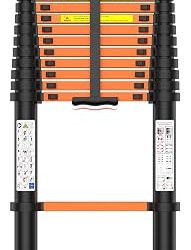
The 900-pound rating and full-length handrail make this the most confidence-inspiring pick here, and the top tool platform means you stop climbing down for the screwdriver you left on the floor. It is the right call for painting, garage storage, and anyone who wants a single ladder to cover both interior and outdoor work.
KINGRACK 4 Step Ladder, Black
A tidier take on the same engineering, with a safe-lock mechanism and anti-slip wide pedals tested past 800 pounds. The matte black finish disappears against dark cabinetry or a utility closet wall, and four steps hit the sweet spot for high kitchen shelves without dominating the room.
HBTower Folding Step Ladder
Our value pick, and the one we recommend most often for apartments. The steel frame stays rigid under load, the handrail is genuinely useful rather than decorative, and it is light enough to carry room to room one-handed.
SocTone 3 Step Ladder, White
The most design-forward option in the group: a clean white powder-coated frame rated to 500 pounds that looks deliberate parked in a laundry room or pantry. Three steps is the practical ceiling here, but for daily reach-and-retrieve tasks it is all most homes need.
Louisville Ladder 6-Foot Fiberglass, FS1506
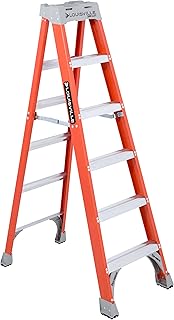
The professional standard, and the only pick here we would use near electrical work thanks to its non-conductive fiberglass rails and Type IA rating. Heavier than the steel models and priced accordingly, but it is a buy-once ladder with the rigidity to match.
Frequently Asked Questions
How tall a step ladder do I actually need?
Measure your highest regular task, then subtract about four feet from that number to find your ideal top step. For eight- to nine-foot ceilings, a three- or four-step stool is sufficient. Ten-foot ceilings, exterior trim, or gutter work call for a six-foot frame.
Is steel or fiberglass better for home use?
Steel is stiffer per dollar and folds slimmer, which makes it the better indoor storage proposition. Choose fiberglass if you will be near wiring, panels, or fixtures with live current, since it does not conduct electricity.
What does the load capacity number include?
It covers your body weight plus everything you are carrying, including tools, paint cans, and the boxes you hand down. Build in generous margin rather than shopping close to the limit.
Are handrails worth it on a short stool?
Yes, and more than people expect. A handrail gives you a fixed point of contact while turning or reaching sideways, which is when most household falls happen.
Final Thoughts
For a single ladder that covers nearly everything, the KINGRACK 5 Step with tool platform is the most capable pick, with the four-step KINGRACK version as the slimmer, more storage-friendly alternative for kitchens and closets. If your work regularly takes you near ceiling fixtures or electrical panels, spend up for the Louisville 6-Foot Fiberglass and stop thinking about it.