Key takeaways
- Effortless Cleanup: This is the single biggest selling point for leather. Dropped spaghetti, spilled red wine, or greasy finger marks can be wiped away in seconds with a damp microfiber cloth. For budget-conscious buyers, modern PU leather options like the VASAGLE Dining Chairs Set of 4, Upholstered Kitchen Chairs, PU Leather ($189.99) or the HAPPYMONT Upholstered Dining Chair Set of 6, PU Leather Kitchen Chair ($259.99) provide this exact wipe-and-go convenience without the premium price tag of genuine hides.
- Hypoallergenic and Odor-Resistant: Fabric fibers act like tiny traps for dust mites, pet dander, pollen, and cooking odors. Leather, on the other hand, is non-porous. It does not harbor allergens, and it will not hold onto the smell of last night’s seared salmon.
- Visual Longevity: Genuine leather matures with grace, developing a rich patina that tells the story of your home. While PU leather does not patina, high-quality synthetic options are engineered to resist stretching, fading, and cracking, keeping your dining space looking pristine for years.
What's inside
Choosing the perfect seating for your dining room is one of the most high-stakes furniture decisions you will make. Unlike a sofa, which is primarily used for lounging, or a bed, which is strictly for sleeping, dining chairs are the true workhorses of the modern home. They host quick morning coffees, multi-course holiday feasts, intense homework sessions, and late-night remote work marathons.
When shopping, the ultimate debate inevitably boils down to leather dining chairs vs fabric upholstered dining chairs. This choice is far more than a simple aesthetic preference. It dictates how often you will have to clean your dining room, how comfortable your guests will be during long dinner parties, and how many years the chairs will last before showing their age. As we look at the interior design landscape of 2026, the focus has shifted heavily toward practical luxury—pieces that look high-end but do not require stressful, high-maintenance upkeep.
As an Amazon Associate we earn from qualifying purchases at no extra cost to you. Product prices and availability are accurate as of the date shown and are subject to change.

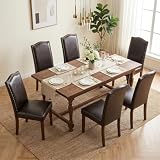


To help you navigate this decision, we will break down the structural, functional, and financial differences between these two upholstery giants so you can invest with absolute confidence.
Quick Verdict
If your household is prone to spills, sticky fingers, and heavy daily traffic, leather (or high-quality PU leather) dining chairs are the undisputed winner. They offer unmatched wipe-clean convenience, hypoallergenic properties, and a sleek, modern profile. However, if your priority is ultimate cozy comfort, maximum color and pattern variety, and a warm, inviting atmosphere, fabric upholstered dining chairs are your best bet. Fabric chairs excel at softening hard architectural lines and creating a plush, comfortable seat that encourages guests to linger long after the meal is over.
Side by Side
To help you visualize how these materials stack up across key performance indicators, here is a direct comparison of what you can expect from each option:
| Feature | Leather Dining Chairs (Real & PU) | Fabric Upholstered Dining Chairs |
|---|---|---|
| Comfort | Firm, supportive; can feel cool initially and warm up with body heat. | Soft, breathable, and cozy; consistent temperature year-round. |
| Durability | High. Real leather patinas beautifully; quality PU resists cracking. | Moderate to High. Depends heavily on fabric weave and stain treatments. |
| Price Range | $40 to $150 per chair (PU); $200 to $600+ per chair (Genuine). | $30 to $300+ per chair depending on fabric grade and frame. |
| Maintenance | Extremely low. Wipe clean with a damp cloth; occasional conditioning. | Moderate to high. Requires vacuuming, spot-treating, or steam cleaning. |
| Space Needed | Often sleeker and more compact; visually lighter. | Can be bulkier; adds visual weight and texture to a room. |
| Aesthetic Vibe | Modern, industrial, mid-century, or classic executive. | Traditional, transitional, farmhouse, bohemian, or cozy modern. |
| Resale Value | High for genuine leather; moderate for PU leather. | Lower, as buyers are often wary of hidden stains or odors in fabric. |
| Best For | Active families, pet owners, allergy sufferers, and modern spaces. | Formal dining rooms, open-concept spaces needing sound absorption. |
Where Leather Dining Chairs Wins
There is an undeniable sophistication to leather. Whether you choose genuine top-grain leather or a highly durable polyurethane (PU) alternative, leather dining chairs bring a distinct set of advantages to the table.
- Effortless Cleanup: This is the single biggest selling point for leather. Dropped spaghetti, spilled red wine, or greasy finger marks can be wiped away in seconds with a damp microfiber cloth. For budget-conscious buyers, modern PU leather options like the VASAGLE Dining Chairs Set of 4, Upholstered Kitchen Chairs, PU Leather ($189.99) or the HAPPYMONT Upholstered Dining Chair Set of 6, PU Leather Kitchen Chair ($259.99) provide this exact wipe-and-go convenience without the premium price tag of genuine hides.
- Hypoallergenic and Odor-Resistant: Fabric fibers act like tiny traps for dust mites, pet dander, pollen, and cooking odors. Leather, on the other hand, is non-porous. It does not harbor allergens, and it will not hold onto the smell of last night’s seared salmon.
- Visual Longevity: Genuine leather matures with grace, developing a rich patina that tells the story of your home. While PU leather does not patina, high-quality synthetic options are engineered to resist stretching, fading, and cracking, keeping your dining space looking pristine for years.
Where Fabric Upholstered Dining Chairs Wins
While leather wins on utility, fabric upholstered dining chairs dominate when it comes to sensory comfort and design versatility.
- Unmatched Tactile Comfort: Fabric is naturally breathable. Unlike leather, which can feel icy on a winter morning or sticky on a hot summer afternoon, fabric maintains a neutral, inviting temperature. A well-padded fabric chair, such as the Yaheetech Dining Chairs Set of 4 Upholstered Kitchen Chairs Khaki ($134.99), provides a soft, slip-free sit that keeps you comfortable through multi-hour board games or work sessions.
- Design and Texture Variety: Fabric allows you to play with texture in a way leather simply cannot match. From cozy bouclé and heavy linen to plush velvet and classic tweed, the options are endless. You can also introduce soft, neutral warmth to a dining space with options like the COLAMY Upholstered Dining Chairs Set of 4 ($194.97), which features a curved back, beige fabric padded seat, and solid wood legs to instantly soften a room dominated by hard wood or metal surfaces.
- Acoustic Benefits: Modern homes often feature open floor plans with hardwood floors, high ceilings, and large windows. These hard surfaces cause sound to bounce, creating an echo. Fabric chairs act as natural sound absorbers, dampening the clatter of silverware and making dinner conversations much easier to hear.
Cost Over 5 Years
When calculating the true cost of dining chairs, you must look beyond the initial checkout price. Maintenance, cleaning supplies, and replacement cycles all impact your wallet over a five-year horizon.
Fabric Upholstered Chairs: A set of four mid-range fabric chairs typically costs between $150 and $300 upfront. However, over five years, you must factor in the cost of stain-protection sprays ($20–$40), professional upholstery cleaning rentals or services ($100–$200), and the potential cost of replacing a chair if a stain (like permanent marker or cranberry juice) cannot be removed. If you choose cheap, loosely woven fabric, wear and tear may force you to replace the entire set by year four or five.
Leather/PU Leather Chairs: A set of four budget-friendly PU leather chairs runs between $150 and $250 upfront, while genuine leather sets can easily exceed $1,000. Over five years, the maintenance cost for PU leather is virtually $0, requiring only mild dish soap and water. Genuine leather requires a specialized conditioner ($15–$30) applied once or twice a year. Because leather is highly resistant to staining and structural wear, a good set will easily surpass the five-year mark without needing replacement, making it the more financially predictable investment over time.
Which One for Your Home
To help you make the final call, let’s look at how these materials perform in real-world living scenarios.
Small Apartment
In a small apartment, your dining chairs often pull double duty as desk chairs or extra living room seating. Space is tight, and visual clutter must be kept to a minimum.
Our Recommendation: Leather (or PU leather). Leather chairs typically have a sleeker, more compact silhouette that tucks neatly under small bistro tables. They are also easier to slide in and out of tight spaces without snagging on nearby rugs or curtains.
Family with Kids/Pets
Toddlers with greasy fingers, dogs with muddy paws, and cats with a habit of scratching furniture present the ultimate durability test.
Our Recommendation: Leather (with a caveat). For spills and messes, wipe-clean PU leather is an absolute lifesaver. However, if you have cats that love to scratch, sharp claws can puncture both real and faux leather, leaving permanent holes. If you have scratching pets, look for a tight-weave, heavy-duty performance fabric (like commercial-grade polyester or velvet) that resists claw snags.
Rental Property
If you are furnishing an Airbnb or a long-term rental, you need furniture that can withstand tenant neglect and quick turnovers between guests.
Our Recommendation: PU Leather. Tenants will not treat your furniture with the same care you would. Fabric chairs in rentals quickly become stained, dingy, and unhygienic. A sturdy PU leather set can be wiped down with disinfectant between guests, ensuring a clean, fresh look for every arrival.
Long-Term Home
If you are settling into your forever home and want to build a curated, high-quality dining space that will host decades of family milestones.
Our Recommendation: Genuine Leather or High-End Performance Fabric. If your style leans classic, mid-century, or industrial, invest in genuine top-grain leather chairs that will age and develop character alongside your family. If your style is transitional, traditional, or cozy organic modern, opt for premium fabric chairs with solid wood frames to anchor your dining room with warmth and texture.
FAQ
Are leather dining chairs more durable than fabric?
Generally, yes. Genuine leather is incredibly tough and resists tears, punctures, and stains that would ruin standard fabric. High-quality PU leather is also highly durable against spills and daily wear. Fabric chairs can match this durability only if they are made from heavy-duty, commercial-grade performance fibers.
How do you prevent fabric dining chairs from staining?
The best defense is to apply a fabric protector spray (like Scotchgard) immediately after assembly and reapply it every 6 to 12 months. Vacuuming the chairs weekly prevents dust and dirt from being ground into the fibers, which can dull the fabric over time.
Do fabric dining chairs hold onto cooking odors?
Yes, open-concept homes are especially prone to this. If your dining table is close to your stove, fabric fibers will absorb airborne grease and strong cooking aromas (like bacon, curry, or fish) over time. Regular steam cleaning or vacuuming with baking soda can help mitigate this issue.
Is PU leather comfortable to sit on for long periods?
Modern PU leather is highly advanced, offering a soft, supple texture that mimics genuine leather. However, because it is a synthetic material, it is less breathable than real leather or fabric, meaning it can feel slightly warm during long seating sessions in hot rooms.