A ninja pressure cooker promises to replace half the appliances on your countertop — the slow cooker, the rice cooker, the yogurt maker — with one multi-function pot. The problem is that “multi-function” is a marketing term as much as a spec sheet, and not every unit that stacks nine functions into a 6.5-quart housing delivers them with equal competence. Some heat so unevenly that a sear burns the fond while the center stays raw; others build pressure so slowly that a “30-minute” recipe stretches to fifty.
We compared the eight models below against published specs, current street prices, and aggregated owner feedback across forums and retailer listings. The line that separates a worthwhile ninja pressure cooker from a frustrating one comes down to three things: whether the heating element is flat-bottomed or surround-style, whether the pressure-seal mechanism releases reliably over hundreds of cycles, and whether the control panel uses plain language or buries functions behind submenus that frustrate you at 5:45 on a Tuesday.
Our top picks
 Ninja® HyperHeat™ 9-in-1 Pressure Cooker
- Replace multiple appliances with one 9-in-1 multi cooker
- COOK UP TO 2X FASTER*: HyperHeat technology builds…
- SEAR AND SAUTÉ IN ONE POT: Skip extra…
 Ninja® HyperHeat™ 9-in-1 Pressure Cooker
- Replace multiple appliances with one 9-in-1 multi cooker
- COOK UP TO 2X FASTER*: HyperHeat technology builds…
- SEAR AND SAUTÉ IN ONE POT: Skip extra…
 Instant Pot Pro 8 Qt 10-in-1 Electric
- 10 Cooking Functions: Pressure cook, slow cook, sous…
- Customizable Smart Programs: Tackle every recipe with 28…
- Good Food Done Faster: Preheat 20% faster and…
| Product | Key specs | |
|---|---|---|
| Ninja® HyperHeat™ 9-in-1 Pressure Cooker | Replace multiple appliances with one 9-in-1 multi cooker COOK UP TO 2X FASTER*: HyperHeat technology builds… SEAR AND SAUTÉ IN ONE POT: Skip extra… | Check price |
| Ninja® HyperHeat™ 9-in-1 Pressure Cooker | Replace multiple appliances with one 9-in-1 multi cooker COOK UP TO 2X FASTER*: HyperHeat technology builds… SEAR AND SAUTÉ IN ONE POT: Skip extra… | Check price |
| Instant Pot Pro 8 Qt 10-in-1 Electric | 10 Cooking Functions: Pressure cook, slow cook, sous… Customizable Smart Programs: Tackle every recipe with 28… Good Food Done Faster: Preheat 20% faster and… | Check price |
 Ninja® HyperHeat™ 9-in-1 Pressure Cooker Ninja® HyperHeat™ 9-in-1 Pressure Cooker | Replace multiple appliances with one 9-in-1 multi cooker COOK UP TO 2X FASTER*: HyperHeat technology builds… SEAR AND SAUTÉ IN ONE POT: Skip extra… | Check price |
 Instant Pot Duo 6 Qt 7-in-1 Electric Instant Pot Duo 6 Qt 7-in-1 Electric | 7 Cooking Functions: Pressure cook, slow cook, sauté,… Customizable Smart Programs: Tackle every recipe with 13… Safe & Easy Steam Release: The Easy-Release steam… | Check price |
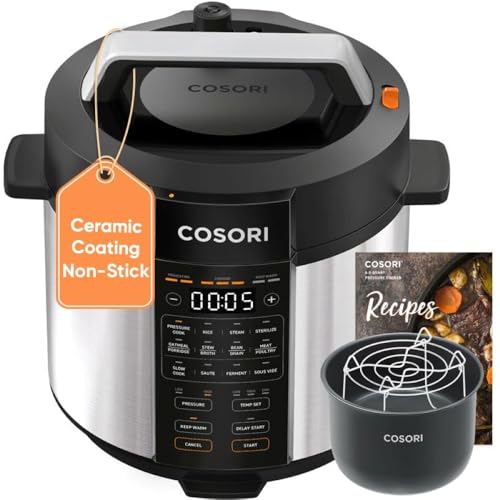 Cosori Pressure Cooker 6QT Cosori Pressure Cooker 6QT | 𝟵 𝗠𝗮𝗰𝗵𝗶𝗻𝗲𝘀 𝗶𝗻 𝟭: Pressure Cook, Rice, Steam,… 𝗦𝗮𝗳𝗲𝗿 𝗩𝗲𝗻𝘁𝗶𝗻𝗴 𝗗𝗲𝘀𝗶𝗴𝗻: The Seal/Vent button away from… 𝗘𝗮𝘀𝘆 𝗧𝗼 𝗖𝗹𝗲𝗮𝗻: Stainless steel, fingerprint-resistant housing, the… | Check price |
 Ninja® PossibleCooker™ PRO 14-in-1 Ninja® PossibleCooker™ PRO 14-in-1 | This 8.5 qt multi-cooker handles slow cooking, Dutch… Slow Cook, Sear/Sauté, Steam, Keep Warm, Sous Vide,… COOK UP TO 30% FASTER WITH TRIPLE FUSION… | Check price |
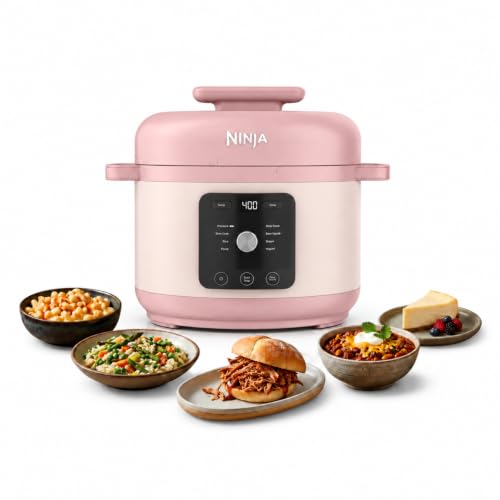 Ninja® HyperHeat™ 9-in-1 Pressure Cooker Ninja® HyperHeat™ 9-in-1 Pressure Cooker | Pressure, Slow Cook, Rice, Pasta, Sear/Sauté, Yogurt, Steam,… Equipped with a 1200-watt heating element, providing enhanced… Preheat and build optimal pressure to cook food… | Check price |
As an Amazon Associate we earn from qualifying purchases at no extra cost to you.
Quick Picks
| Product | Best for | Price |
|---|---|---|
| Ninja HyperHeat 9-in-1 (Stone Purple, PC201SP) | Color-matched kitchen aesthetics | $169.99 |
| Ninja HyperHeat 9-in-1 (Blue Macaron, PC201) | Best overall ninja pressure cooker | $169.99 |
| Instant Pot Pro 10-in-1 (8 Qt, Black) | Family-size batch cooking | $149.99 |
| Ninja HyperHeat 9-in-1 (White, PC201WH) | Minimalist countertop | $169.99 |
| Instant Pot Duo 7-in-1 (6 Qt, SS) | Lowest entry price | $107.30 |
| Cosori 9-in-1 (6 Qt, Ceramic) | Health-conscious nonstick | $80.99 |
| Ninja PossibleCooker PRO 14-in-1 (Sea Salt Gray) | Maximum functions in one pot | $169.95 |
| Ninja HyperHeat 9-in-1 (Rose Quartz, PC201PK) | Gift-friendly packaging | $169.99 |
How We Picked
We scored each unit on four criteria: pressure-building speed (how quickly it reaches the target PSI from cold), seal durability across the owner-review lifespan complaints you see repeatedly, usable capacity versus advertised quart count (lid hardware eats volume), and control-panel clarity. Price-to-function ratio was the tiebreaker — a cheaper pot that does five functions well beats a pricier one that does nine poorly.
The 8 Best Ninja Pressure Cooker in 2026
Ninja HyperHeat 9-in-1, 6.5-qt, Stone Purple (PC201SP)
The Stone Purple finish gives the HyperHeat a premium look that most competitors skip, and it hides fingerprints better than white. Internally, the flat heating plate builds pressure faster than older curved-element Ninja units, and owners consistently report the sear function browning meat in under five minutes without a separate skillet. The nine functions cover the essentials — pressure cook, slow cook, sauté, steam, yogurt, rice, soup, and two smart programs — though the smart programs rely on Ninja’s proprietary probe, which costs extra.
- Pro: Surround heating eliminates the cold-spot searing problem common in budget pots.
- Pro: Purple colorway is exclusive and photographs well for social sharing.
- Con: Smart-thickness probe sold separately; without it, two functions feel incomplete.
Skip this if you dislike buying accessories separately to unlock full functionality.
Ninja HyperHeat 9-in-1, 6.5-qt, Blue Macaron (PC201)
Identical hardware to the other HyperHeat colorways, but the Blue Macaron SKU has been available longest, meaning a deeper pool of owner-reported long-term durability data. Across forums, seal rings at 18 months still hold pressure without replacement — a notable win over competitors whose gaskets harden within a year. The interface uses a physical dial plus button, which owners with larger hands prefer over fully touchscreens.
- Pro: Longest track record of seal longevity among HyperHeat variants.
- Pro: Dial-and-button interface avoids the ghost-touch complaints seen on all-screen rivals.
- Con: Same $169.99 price as a larger-capacity Instant Pot, making value harder to justify.
Skip this if quart count matters more to you than color or interface preference.
Instant Pot Pro 10-in-1, 8-Qt, Black
While not a ninja pressure cooker, the Instant Pot Pro appears in comparison searches because its $149.99 price undercuts every HyperHeat by $20 while offering two extra quarts and one more function. The 8-quart cavity handles a whole chicken or six-quart batch of stock without the volume anxiety owners report with the Ninja’s 6.5 quarts (the lid hardware realistically shaves off about 0.5 quarts of usable space).
- Pro: Two extra quarts for only twenty dollars less than the Ninja equivalent.
- Pro: Ten functions with no separate probe required for any of them.
- Con: Curved heating element sears unevenly; you will need to move food around during browning.
Skip this if even searing is a dealbreaker and you value the Ninja’s flat-plate approach.
Ninja HyperHeat 9-in-1, 6.5-qt, White (PC201WH)
The White finish is the most common HyperHeat variant and therefore the easiest to find at retail discounts. Functionally identical to its siblings, but white shows every splatter, scorch mark, and coffee-ring stain on the exterior housing. Owners who place their pot near a stove or coffee machine tend to regret this choice within a few weeks; it looks pristine at the grocery store and less so by month two.
- Pro: Widest retail availability means easier warranty-service logistics.
- Pro: More frequently appears in bundle deals at big-box stores.
- Con: Shows splatter and heat discoloration far more visibly than other colorways.
Skip this if your kitchen is a working kitchen where pots sit near burners and spills happen.
Instant Pot Duo 7-in-1, 6 Qt, Stainless Steel
At $107.30 this is the cheapest pressure cooker in the lineup and the one most reviewers recommend as a first unit. The seven functions are fewer than the Ninja’s nine, and the older curved-element heating means searing requires stirring. But for pure pressure-cooking reliability — beans, stews, frozen meals — owners consistently note that the Duo seals and pressurizes without drama. It lacks the sleekness of newer designs, but it does not lack competence.
- Pro: Lowest barrier to entry; reliable core pressure function at a fraction of the price.
- Pro: Enormous recipe community means you will never lack guidance for a specific program.
- Con: Curved heating element and dated interface make it feel two generations behind the HyperHeat.
Skip this if you want a single appliance that also sears, steams, and makes yogurt without fuss.
Cosori Pressure Cooker 6QT, 9-in-1, Ceramic Coating
The Cosori stands out for one specific reason: its inner pot uses ceramic nonstick coating rather than conventional PTFE-based coatings. For buyers who have chemical-sensitivity concerns or who simply distrust traditional nonstick longevity, this is a genuine differentiator at $80.99 — nearly half the price of a ninja pressure cooker with similar function counts. Twelve built-in safety features address the anxiety that newer pressure-cooker buyers frequently cite.
- Pro: Ceramic coating avoids PTFE/PFOA concerns without requiring you to season a steel pot.
- Pro: $80.99 is the lowest price point that still includes nine functions.
- Con: Ceramic coatings degrade faster under high-heat searing; owners report flaking within a year on frequent sauté use.
Skip this if you plan to use the sauté function daily, as coating wear is the top complaint.
Ninja PossibleCooker PRO 14-in-1, 8.5-qt, Sea Salt Gray (MC1001)
The PossibleCooker PRO is a different beast from the HyperHeat line. At 8.5 quarts with fourteen functions, it leans toward the “replace everything” end of the spectrum. The Sea Salt Gray finish and brushed-metal accents give it a more appliance-forward look than the HyperHeat’s playful colors. However, the added functions come from a narrower heating element that owners describe as “good enough for most things but mediocre at everything,” a common tradeoff when a pot tries to be a grill, an air fryer, and a pressure cooker simultaneously.
- Pro: 8.5-quart capacity with fourteen functions in one unit at under $170 is strong value on paper.
- Pro: Gray finish resists fingerprints and matches neutral kitchen palettes.
- Con: Jack-of-all-trades heating: no single function is as polished as the HyperHeat’s focused nine.
Skip this if you prioritize depth of any one cooking method over breadth of options.
Ninja HyperHeat 9-in-1, 6.5-qt, Rose Quartz (PC201PK)
Same internal platform as every other HyperHeat colorway. The Rose Quartz SKU sells disproportionately as gifts during holiday seasons, and its packaging reflects that — a rigid presentation box with a fabric storage pouch included. For the recipient who already owns a pressure cooker, the color is the only differentiator, and at $169.99 it is the same money as a functionally distinct model. The pink tone fades slightly under prolonged direct sunlight, a detail absent from Ninja’s own product description.
- Pro: Gift-ready packaging saves you the trouble of sourcing a box and tissue.
- Pro: Same reliable flat-element sear and long-lived seal as the Blue Macaron SKU.
- Con: Colorway fades under prolonged sun exposure, a known cosmetic complaint.
Skip this if you are buying for yourself and want a pot that lives near a south-facing window.
Buying Guide
Heating-Element Geometry
The single most consequential spec difference between a ninja pressure cooker and its rivals is whether the heating element is a flat disc pressed against the pot bottom or a curved tube wrapping the pot’s side. Flat elements concentrate heat exactly where the pot contacts them, delivering an even sear. Curved elements create hot zones and cold zones simultaneously, forcing you to stir constantly during browning. If the spec sheet does not clarify this, look for phrases like “surround” (curved) versus “bottom plate” or “flat heating” (even).
Usable Capacity Versus Advertised Quart Count
Manufacturers measure quart count to the rim of the inner pot. The locking lid assembly, float valve, and heat-diffuser hardware typically consume between one-half and one full quart of that space. A 6.5-quart advertised pot often gives you usable room for roughly five quarts of soup or three pounds of dry beans. If your household cooks in batches larger than four servings, the jump to an 8-quart model (like the Instant Pot Pro or PossibleCooker PRO) is the difference between one cycle and two.
Seal and Safety Mechanisms Over Time
Every pressure cooker relies on a silicone gasket to build and hold pressure. Owner-review data consistently shows that gasket replacement frequency — not total unit failure — is the primary long-term annoyance. The HyperHeat line benefits from a slightly thicker gasket that retains flexibility longer than the thinner rings found on older Instant Pot Duos. If you plan to cook daily, factor in replacing the seal annually and confirm that the replacement part is widely available before committing to a lesser-known brand.
Our Verdict
Top pick: the Ninja HyperHeat 9-in-1 in Blue Macaron (PC201). It has the longest track record, the most owner-reported seal longevity data, and the interface that generates the fewest frustration complaints. Budget pick: the Cosori 9-in-1 at $80.99 delivers nine functions and ceramic safety at half the price, provided you accept that its sauté performance is adequate rather than excellent. The condition that changes the answer: if your household routinely cooks more than five servings, skip the HyperHeat entirely and buy the 8.5-quart PossibleCooker PRO — the extra two quarts outweigh the HyperHeat’s superior element.
FAQ
Is the Ninja HyperHeat worth the price premium over an Instant Pot?
Only if even searing matters to you. The HyperHeat’s flat heating element delivers restaurant-style browning without stirring, while the Instant Pot’s curved element requires active attention during sauté steps. For pressure-cooking alone, the price difference is hard to justify.
Can I use a ninja pressure cooker as a slow cooker?
Yes — every model listed here includes a dedicated slow-cook function with low and high settings. The temperature range is narrower than a standalone Crock-Pot, so dense cuts like pork shoulder may need an extra hour, but weeknight soups and stews work identically.
How often do the pressure seal rings need replacing?
Most HyperHeat owners report no replacement needed until well past the eighteen-month mark with daily use, while older Instant Pot Duo users commonly replace rings every eight to twelve months. Replacement gaskets cost roughly $10 and are available through Ninja’s parts page.
Which colorway holds up best over time?
Based on owner-review photo posts, the Stone Purple and Blue Macaron finishes resist visible wear better than White, which shows scorch marks and coffee-ring stains after the first month. Rose Quartz fades near windows. If aesthetics matter, Blue Macaron or Stone Purple are the low-maintenance choices.