Key takeaways
- Measure the footprint: Account for the table itself plus enough clearance to pull out chairs and move comfortably around it. A smaller top is not useful if the surrounding circulation is blocked.
- Choose flexible seating: Extension leaves, drop leaves, and oval silhouettes can keep the table intimate for daily use while creating room for guests when needed.
- Prioritize storage: Shelves, hidden compartments, or a folding design can make a compact table work harder, especially in kitchens and multipurpose rooms.
- Check the base: Leg placement affects both knee room and chair positioning. Sturdy metal legs, a central support, or well-spaced corner legs can improve everyday comfort.
- Match the room’s visual weight: Light finishes, rounded edges, and clean profiles generally make a small room feel more open, while darker wood can add warmth when balanced with brighter surroundings.
What's inside
Small dining areas demand more than a compact footprint. The right table needs to support everyday meals, occasional guests, and the rhythms of apartment living without making the room feel crowded. Fixed tables can waste valuable floor space, while overly clever designs may compromise stability, comfort, or visual appeal.
This guide focuses on dining tables that earn their place in a smaller home. We’ve looked at expandable formats, drop-leaf construction, integrated storage, apartment-friendly proportions, and designs that can shift between dining, working, and entertaining.
As an Amazon Associate we earn from qualifying purchases.



🛒 Best Price Today on Amazon
Prime members get fast, free shipping on everything above, plus member-only deals. New members get a 30-day free trial — cancel anytime.
How to Choose a/an Dining Table For Small Spaces (2026)
- Measure the footprint: Account for the table itself plus enough clearance to pull out chairs and move comfortably around it. A smaller top is not useful if the surrounding circulation is blocked.
- Choose flexible seating: Extension leaves, drop leaves, and oval silhouettes can keep the table intimate for daily use while creating room for guests when needed.
- Prioritize storage: Shelves, hidden compartments, or a folding design can make a compact table work harder, especially in kitchens and multipurpose rooms.
- Check the base: Leg placement affects both knee room and chair positioning. Sturdy metal legs, a central support, or well-spaced corner legs can improve everyday comfort.
- Match the room’s visual weight: Light finishes, rounded edges, and clean profiles generally make a small room feel more open, while darker wood can add warmth when balanced with brighter surroundings.
The Best Dining Table For Small Spaces (2026)s Reviewed
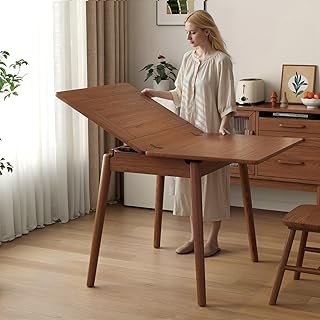
Solid Wood Expandable Dining Table for 2–6
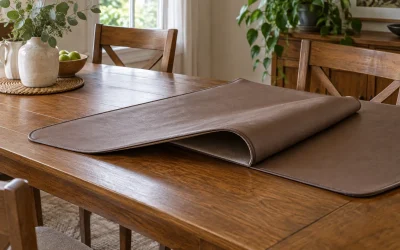
This walnut-finished table is a practical choice for buyers who want one piece to serve both daily meals and larger gatherings. Its adjustable 23.6- to 47.2-inch length suits compact kitchens and apartments, while the solid-wood design brings a warmer, more substantial presence than many lightweight space-saving tables.
AWQM 3-Piece Dining Table Set for Two
For a breakfast nook, studio, or compact dining corner, this table-and-chair set keeps the footprint coordinated from the outset. The brown finish and matching seating create a finished look without requiring a separate search for appropriately scaled chairs, making it a convenient option for a first apartment or small dining area.
Round-to-Oval Extendable Dining Table
This oak table takes a particularly room-friendly approach to flexibility: its 35.4-inch round profile becomes a 47.2-inch oval with the extension leaf in place. The softened shape is easy to navigate in tight rooms, while hidden storage adds useful function without introducing a bulky cabinet-like element.
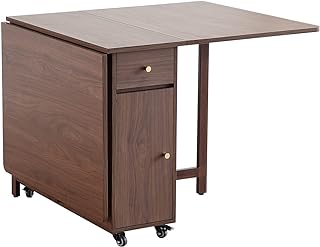
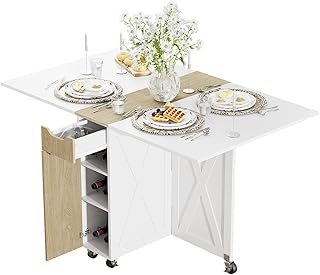
Drop-Leaf Folding Dining Table with Storage and Wheels
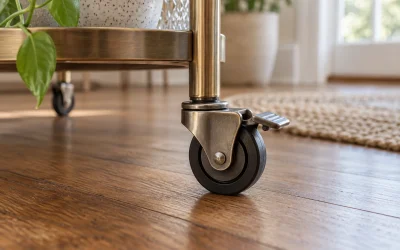
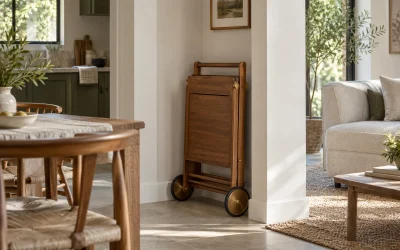
When floor space needs to change throughout the day, this walnut table is designed for true mobility. Its folding format, storage capacity, and locking wheels make it suitable for rooms that double as offices or activity spaces; the 18mm plywood construction and stated 300-pound capacity also suggest a sturdy everyday setup.
42–58-Inch Round Extendable Table with Flip Leaf
This table offers a generous range for households that occasionally need seating for four to six but prefer a more compact arrangement most of the time. The built-in flip leaf, storage shelf, and metal legs combine practical flexibility with a contemporary profile that should work well in an apartment dining zone.
Frequently Asked Questions
What is the best table shape for a small dining room?
Round and oval tables are often the easiest to live with in tight spaces because they eliminate sharp corners and improve circulation. A rectangular table can be equally effective when it is narrow, expandable, or placed against a wall between meals.
Are extendable dining tables worthwhile for apartments?
Yes, particularly when your everyday needs differ from your entertaining needs. Keep the table in its compact configuration for routine meals, then extend it only when additional surface area or seating is necessary.
How much space should be left around a dining table?
Aim for approximately 36 inches between the table edge and nearby walls, cabinets, or furniture where possible. This allows chairs to move and leaves a usable pathway; tighter rooms may require a bench, folding chairs, or a table that can be stored after use.
Is a drop-leaf table better than a folding table?
It depends on how often the table must disappear. A drop-leaf model is usually better for a dedicated dining nook because it remains visually present, while a wheeled folding table is more useful when the room must regularly convert to another purpose.
Final Thoughts
The Solid Wood Expandable Dining Table is a strong all-rounder for shoppers who want warmth and adaptable sizing, while the Round-to-Oval Extendable Table is especially appealing in rooms where smooth circulation matters. For maximum flexibility, the Drop-Leaf Folding Dining Table adds storage and mobility, making it a standout for genuinely multipurpose small spaces.